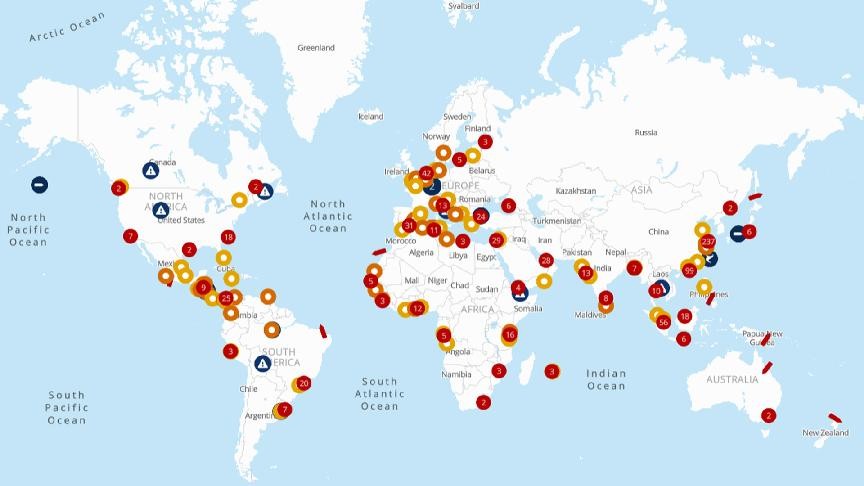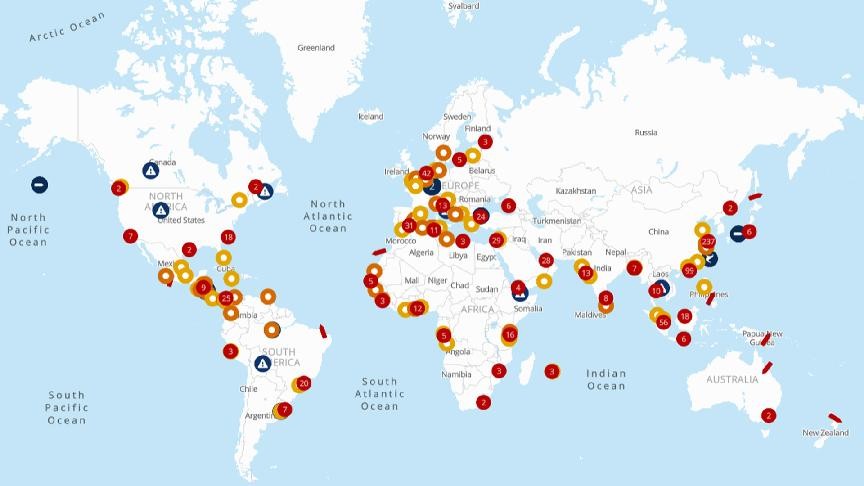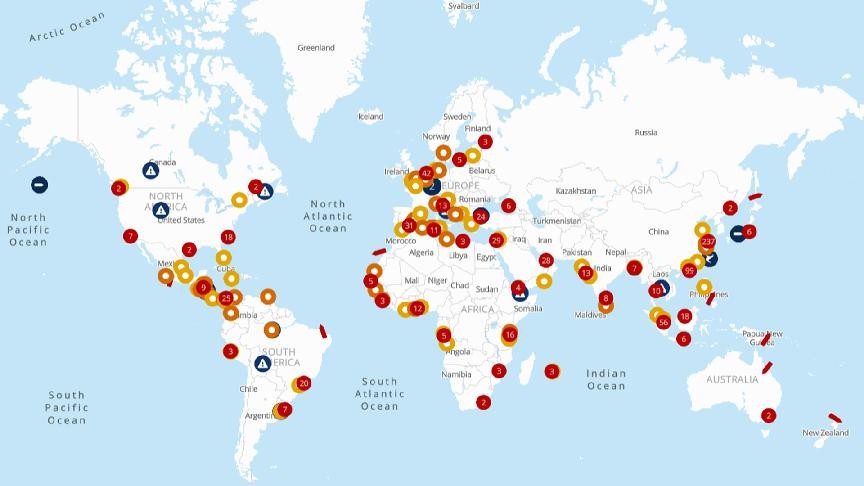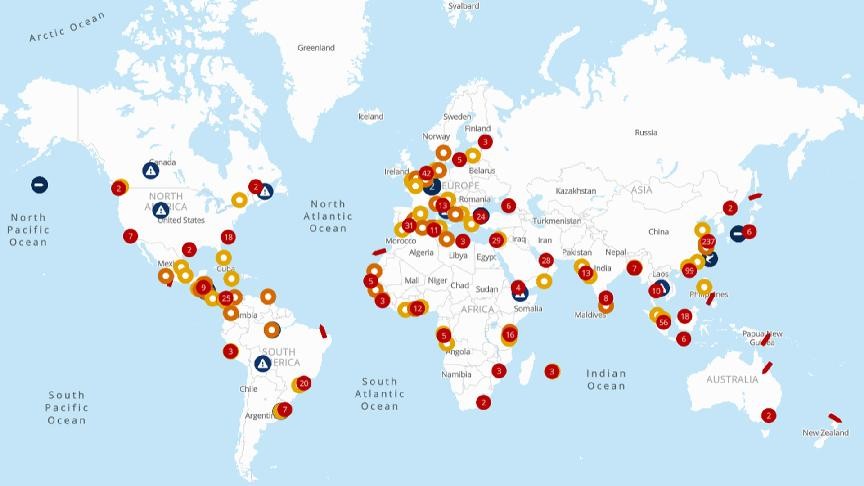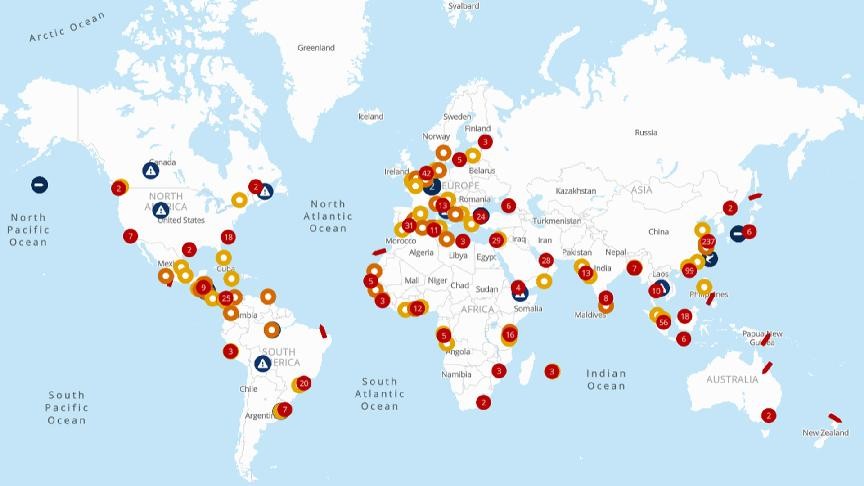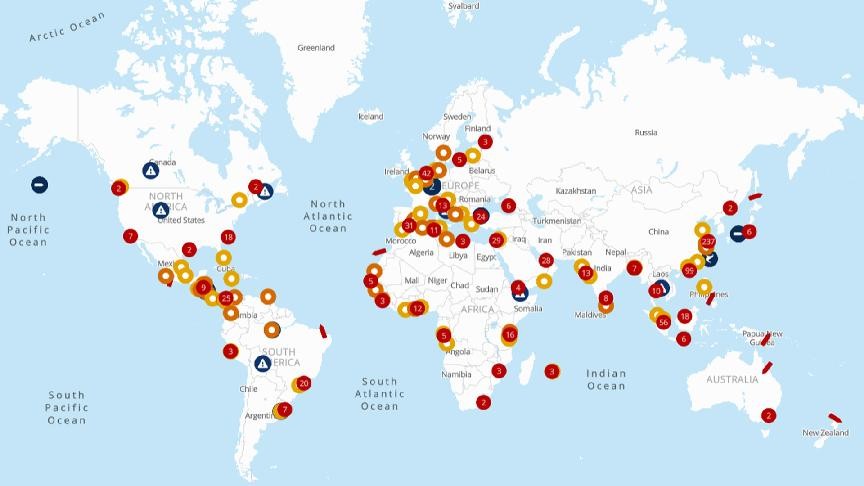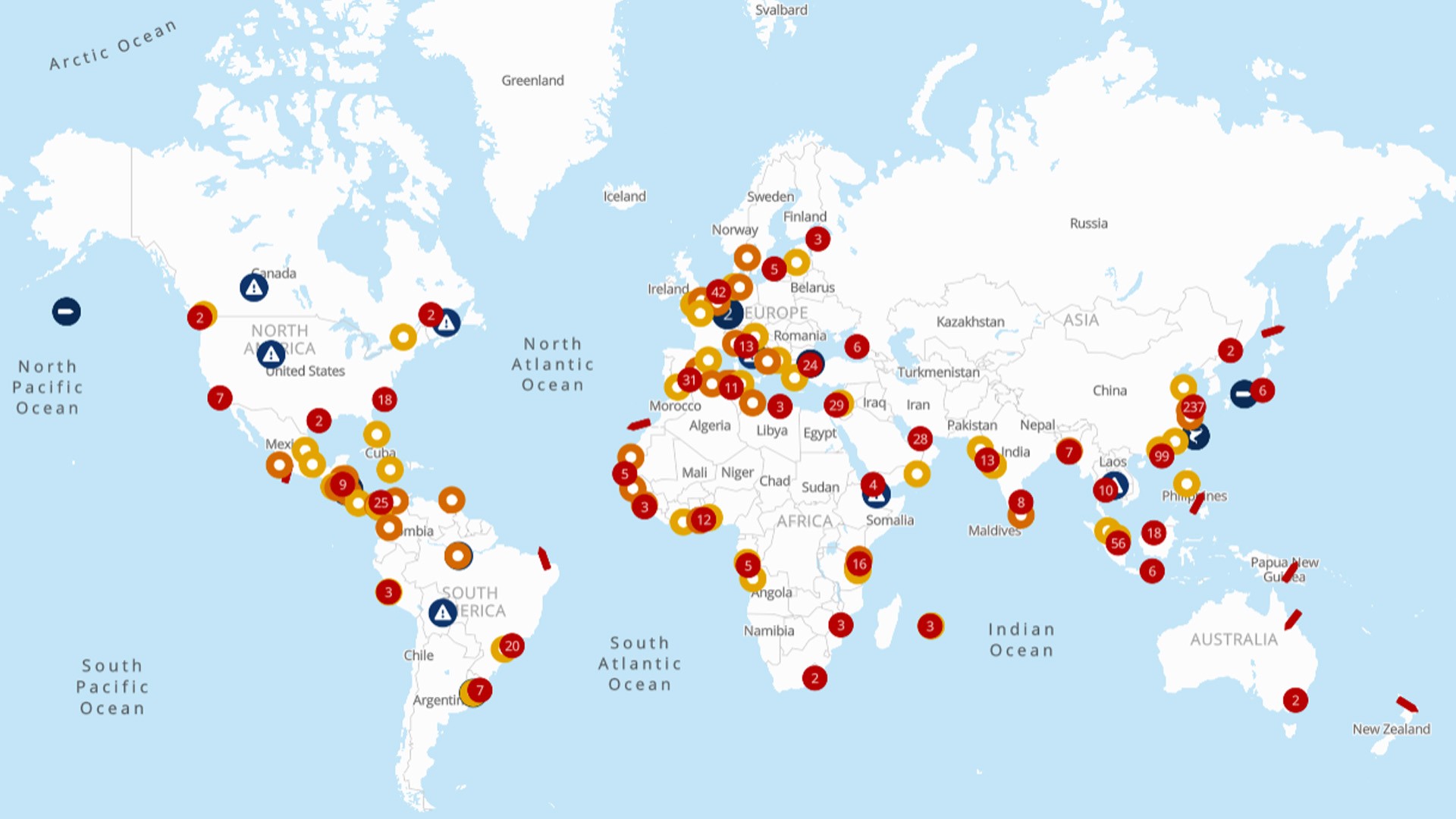

- Stay ahead of supply chain disruptions and port congestion with Kuehne+Nagel’s weekly port operational update.
- Find out the latest vessel waiting times and status of ports in Africa, Asia Oceania, Europe, Middle East-Indian Subcontinent, North America, and South and Central America.
Africa
Ivory Coast
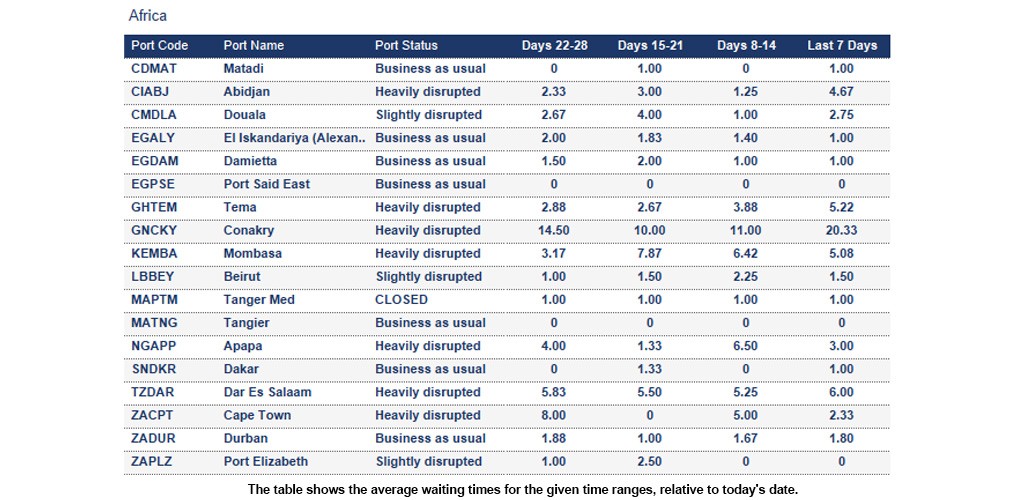
Abidjan: The 7-day average vessel waiting time increased to around 4.67 days this week. A new crane has been successfully commissioned; however, operational slowdowns remain, and vessels arriving within the window can wait up to 24h.
Kenya
Mombasa: The 7-day average vessel waiting time is around 5.08 days. The terminal is experiencing prolonged congestion and reduced productivity due to equipment shortages and high transhipment volumes. Berth delays are further compounded by vessel bunching caused by off-window arrivals.
Morocco
Agadir: The port is currently closed due to high waves and strong swells.
Casablanca and Tanger Med: The port is closed until 30 January due to severe weather conditions, including high swells.
South Africa
Cape Town: The 7-day average vessel waiting time improved this week to around 2.33 days. Strong winds continue to disrupt port operations on inbound and outbound services.
Port Elizabeth: Port operations are smooth; however, strong winds may impact operations.
Asia Oceania
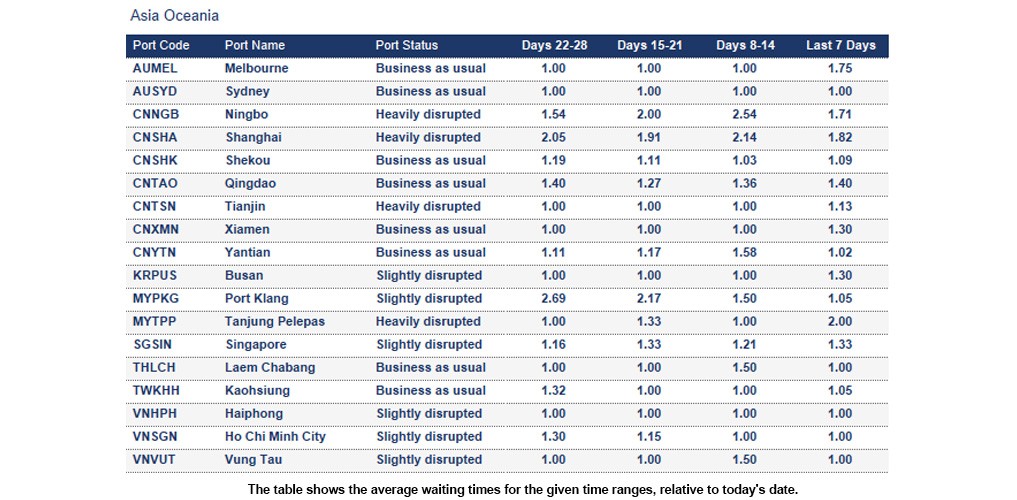
Australia
Fremantle: Maersk reports that the Fremantle Traffic Bridge will be closed for a period of 12 months starting 1 February due to civil works. Congestion and longer transit times are expected, with an impact on the North Fremantle Port Precinct freight corridor.
China
Nansha: The 7-day average vessel waiting time is around 1.65 days. GOCT is experiencing significant congestion, with average waiting times of around 1.5 days. NICT is facing even more severe delays, with waiting times exceeding three days.
Ningbo: The 7-day average vessel waiting time is around 1.71 days. This week, the overall situation remains challenging, with waiting times in Week 05 generally ranging from two to three days. At MSICT, severe yard congestion — with utilisation exceeding 90% — continues to impact overall operational efficiency.
Shanghai: The 7-day average vessel waiting time is around 1.82 days.
- WGQ continues to face heavy berth congestion across all terminals, with general waiting times of more than two days.
- In the YS area, conditions differ by terminal: YS3 and YS4 remain heavily congested with waits of around three days, while YS1 and YS2 show moderate congestion, with delays of roughly 1–1.5 days in Week 05.
Tianjin: The 7-day average vessel waiting time is around 1.13 days. The overall port situation remains poor in Week 05. All terminals are experiencing heavy congestion, with general waiting times of around two to three days. Ongoing maintenance dredging at QQCTU is further reducing berth utilisation.
Indonesia
Semarang: The 7-day average vessel waiting time is around 3.28 days. Semarang Port is experiencing severe berth congestion, with off‑window vessels generally facing waiting times of two to three days. The yard is also heavily congested, with utilisation exceeding 90%, which is adversely affecting overall terminal efficiency.
Surabaya: The 7-day average vessel waiting time is around 5.44 days.
Malaysia
Port Klang: The 7-day average vessel waiting time improved to around 1.05 days. With vessel omissions implemented by all shipping lines, conditions in WP have improved this week. Yard utilisation is also improving, standing at 83%.
Tanjung Pelepas: The 7-day average vessel waiting time is around 2 days. Berth 1 will be closed for seven days next week to facilitate the delivery of new RTGs.
Philippines
Manila: The 7-day average vessel waiting time is around 2.87 days. Heavy berth congestion persists in both Manila North and South, with general waiting times exceeding three days. Yard utilisation is also very high at both terminals, ranging between 80% and 90%.
South Korea
Busan: The 7-day average vessel waiting time is around 1.3 days. At BNCT, laden yard density stands at approximately 61%. There is no berth congestion this week, and most vessels can berth on arrival. However, many inbound vessels are delayed from previous ports and expected from the weekend onwards. Significant congestion is likely in week 06, with waiting times potentially rising to 1–1.5 days if vessels bunch.
Europe
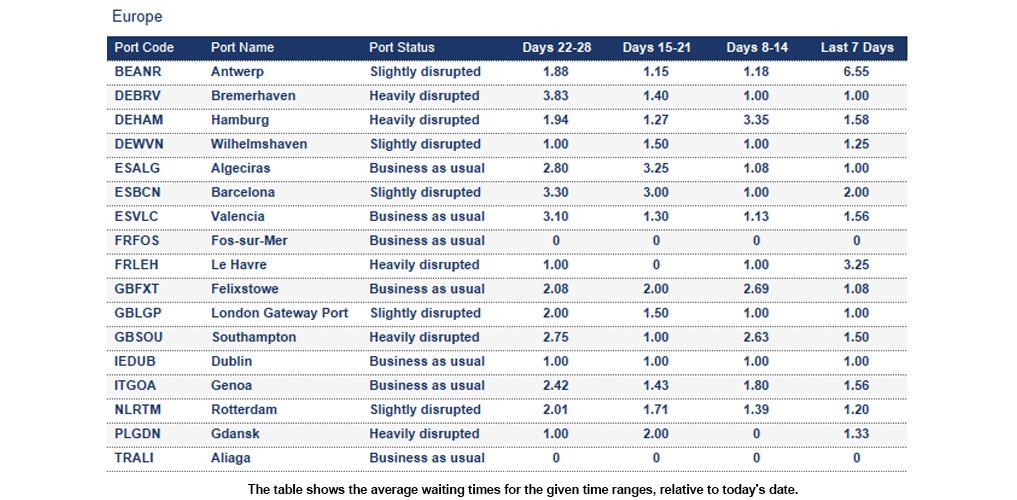
The region has been experiencing prolonged low temperatures and snowy conditions. Carriers report terminal closures, vessel delays and rising congestion from the West Mediterranean to the Bay of Biscay. The situation is also having a cascading effect on ports in Northern Europe, already grappling with slow operations due to bad weather. Read more.
Belgium
Antwerp: At PSA Antwerp, Q913 operates at 67% yard utilisation with 35% reefers and 80% empties; Q869 stands at 81% utilisation with 50% reefers and 60% empties. Truck turnaround times remain efficient. Labour availability is strong with 30+ gangs on weekdays and 22–26 at weekends. Fog caused some disruption, and some carriers' calls are being adjusted due to Biscay‑related vessel delays.
Germany
Bremerhaven: At CTW, the yard remains stable at around 60%. Arrivals via Wilhelmshaven continue to be heavily disrupted by Bay of Biscay weather and Tanger closure.
Hamburg: The 7-day average vessel waiting time is around 1.58 days. The terminal is operating with high yard utilisation of around 80%, though productivity remains stable. Sub‑zero temperatures in Hamburg are causing ice build‑up, extending vessel manoeuvres by 1–2 hours and preventing direct berth exchange, with no improvement expected next week. While this week’s line-up will proceed as planned, vessel delays from the Bay of Biscay will create gaps next week and lead to subsequent bunching.
Wilhelmshaven: At CTW, yard utilisation remains stable at around 60%. However, vessel arrivals in Wilhelmshaven are significantly affected by severe weather in the Bay of Biscay and closures at Tanger, resulting in an increasingly congested line‑up. Overall, scheduling remains under pressure as delays accumulate across the rotation.
Italy
A nationwide strike is planned for the 6th of February. According to local sources, the 24-hour strike will include port workers, with an expected impact on operations in all ports across the country. Read more. Rail interruptions are also planned for the next few months in Italy due to maintenance. Read more.
Netherlands
Rotterdam: The 7-day average vessel waiting time is around 1.2 days.
- ECT, yard utilisation is stable at 73% with no operational concerns, though levels may rise next week as delayed vessels disrupt sequencing. Dense fog halted Rotterdam vessel traffic mid‑week, causing delays of 0–24 hours. Next week’s line‑up will be under pressure with multiple late arrivals.
- MVII, yard utilisation is near 100% and the empty gate may close on 30/01; fog also delayed the Hanoi Express and barge/feeder delays reached up to 12 hours.
- Delta II, the yard is low at 40% with smooth barge and feeder operations.
Poland
Gdansk: The 7-day average vessel waiting time is around 1.33 days. Severe winter weather continues to disrupt operations at the Port of Gdansk. Heavy snow, ice and prolonged low temperatures are restricting landside and waterside activities. Frozen equipment and affected roads and rail lead to cancelled rail services, limited truck slots and slower vessel handling. As a result, yard opening times have been reduced from seven to five days before vessel ETA.
United Kingdom
London Gateway Port: The 7-day average vessel waiting time is around 1 day. At London Gateway, yard stack levels remain stable at 55% for dry and 48% for reefers, though empty stocks continue to rise. Vessel delays, pilot‑station closures and diversions created gaps in this week’s line‑up. Week 06 is expected to be challenging, with delayed vessels likely to bunch and compete for berth windows. Labour availability remains strong, with 13–14 gangs and rest periods used during operational gaps.
Southampton: The 7-day average vessel waiting time is around 1.5 days. Yard utilisation stands at 82% for dry and 65% for reefers. The terminal remains busy following weather‑related closures at both the facility and the pilot station. Further disruption is possible due to adverse weather on 29 January (pm) and the evening of 30 January 2026.
Middle East - Indian Subcontinent
Bangladesh
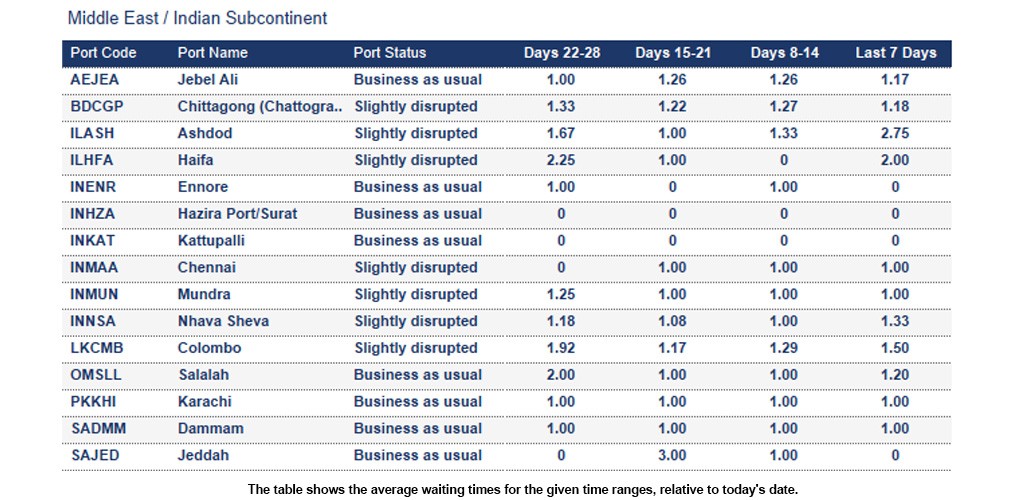
Chittagong (Chattogram): The 7-day average vessel waiting time is around 1.18 days. The yard is at 62.55%.
Sri Lanka
Colombo: The 7-day average vessel waiting time is around 1.5 days. The port remains congested despite recent capacity enhancements. Ongoing expansion projects and strategic partnerships are expected to alleviate pressure later in 2026. Poor weather conditions are causing additional disruptions. The terminal is impacted by severe weather.
North America
Canada
Average import rail dwell time for Canadian cargo (Vessel arrival to departure rail ramp):
- Halifax: 4 days
- Montreal: 7 days
- Prince Rupert: 5 days
- Saint John: 6 days
- Vancouver: 6 days
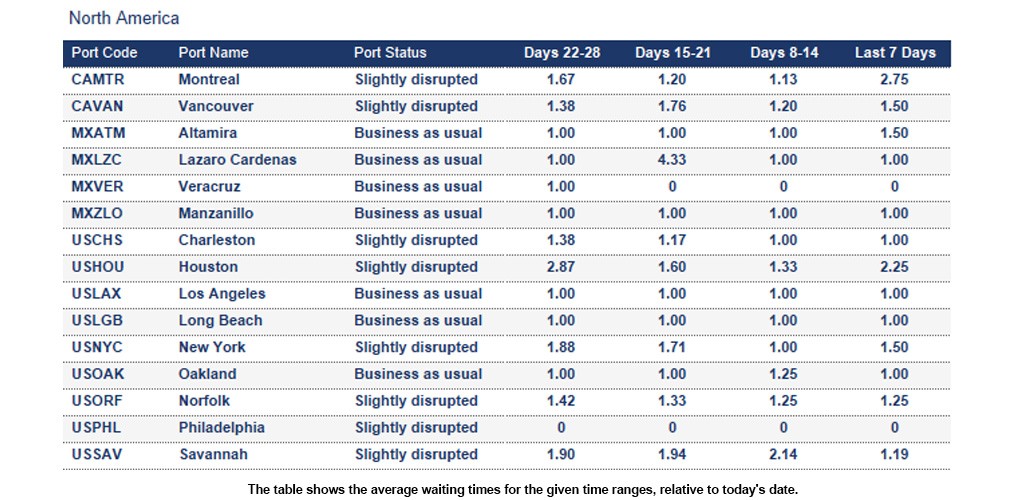
Montreal, Saint John and Vancouver: Severe weather in the Atlantic this week is causing vessel delays and port congestion. In Montreal, the 7-day average vessel waiting time is around 2.75 days.
United States
Severe winter weather near the US East Coast and a storm zone with waves of 9–12 metres are delaying vessel movements until at least 5 February. Several ports suspended operations on 26 January. As of 29 January, all terminals are open, including Baltimore Port. However, rail conditions and trucking availability remain limited. Dangerous conditions in Nashville and Memphis continue to hinder landside operations. Read more.
South and Central America
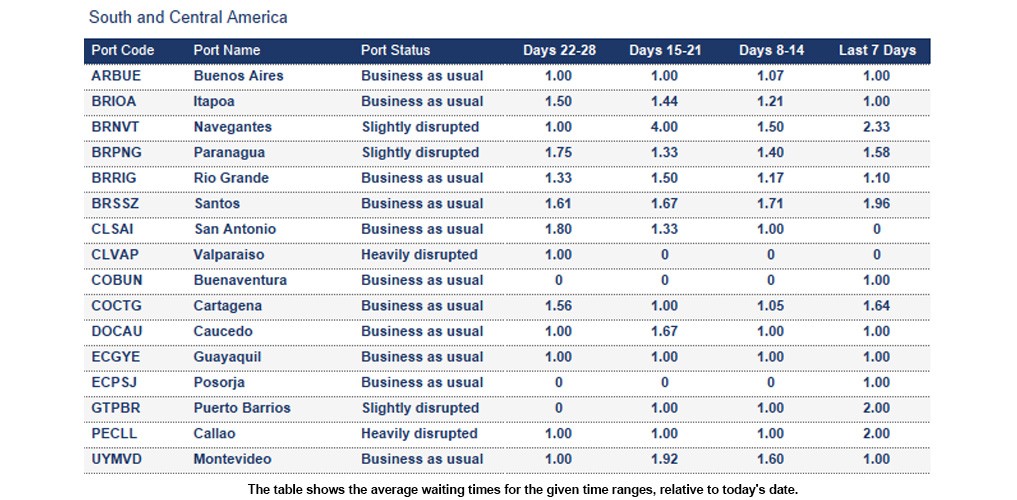 Brazil
Paranagua: The 7-day average vessel waiting time is around 1.58 days. The port is slightly congested. The berth waiting time for vessels arriving out of the window is slightly prolonged.
How Kuehne+Nagel estimates port disruption statuses
Seaexplorer has four port statuses that are estimated based mainly on the 7-day average vessel waiting time. Other factors include yard congestion, labour strikes, natural disasters or intermodal disruptions. Slightly different rules are applied to major ports, or ports that are hubs in their region, as they are typically more efficient.
- Business as usual means the port is currently operating without any significant disruption.
- Slightly disrupted is used if the 7-day average vessel waiting time exceeds 2 days.
- Heavily disrupted is used if the 7-day average vessel waiting time exceeds 4 days.
- Port closed is used when the port suspends operations due to a major disruptive event.
How Kuehne+Nagel calculates the 7-day average vessel waiting time
Mainline container vessels may spend a certain number of days waiting at designated anchorage areas before their scheduled port call.
To calculate the 7-day average waiting time, we consider the waiting days of these vessels, excluding:
- Waiting times for feeder vessels,
- Idle ships without an announced next port,
- Slow steamers heading toward the anchorage but not actively waiting within the designated area
- Vessels passing through the anchorage area without intending to call at the port.
This rolling average is based on the data from the last seven days and is updated daily in seaexplorer. To find the latest waiting time for a port, enter the port name or code in the search bar and select the relevant option.
Stay Ahead, Stay Informed: Register for seaexplorer for the latest disruptions and vessel waiting times at global container ports.