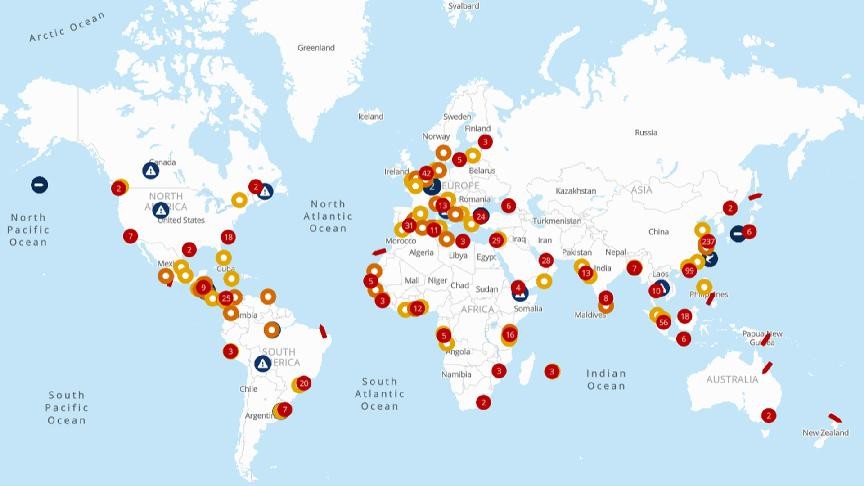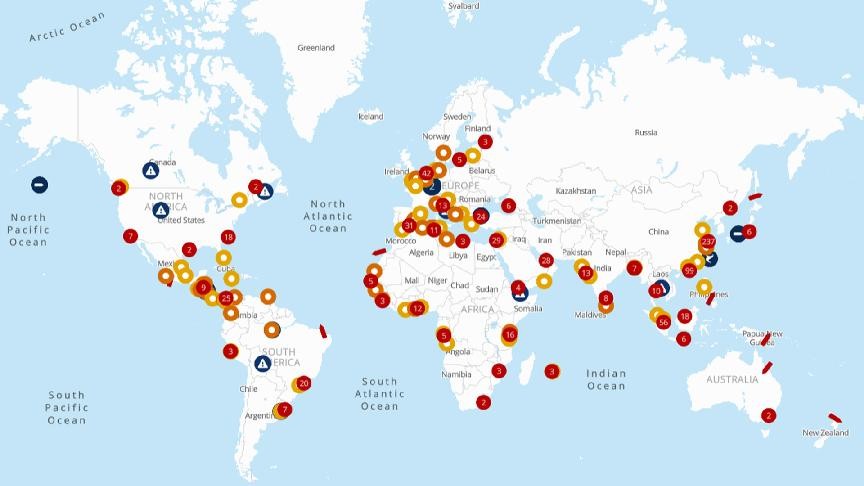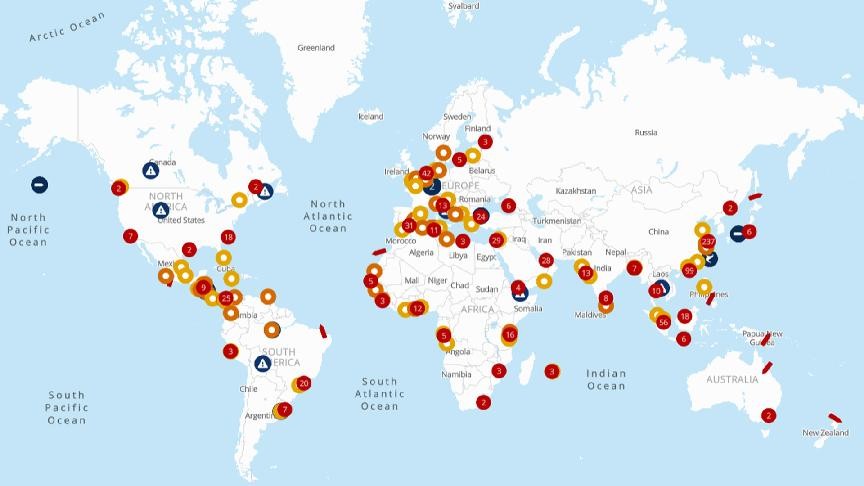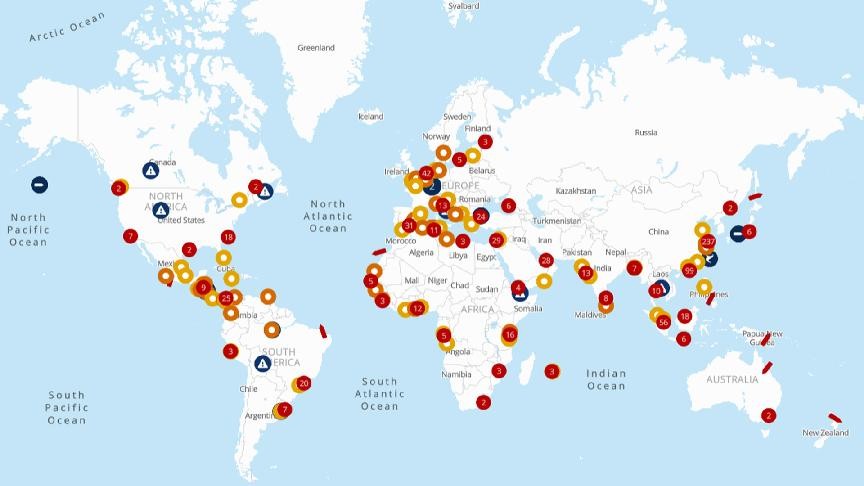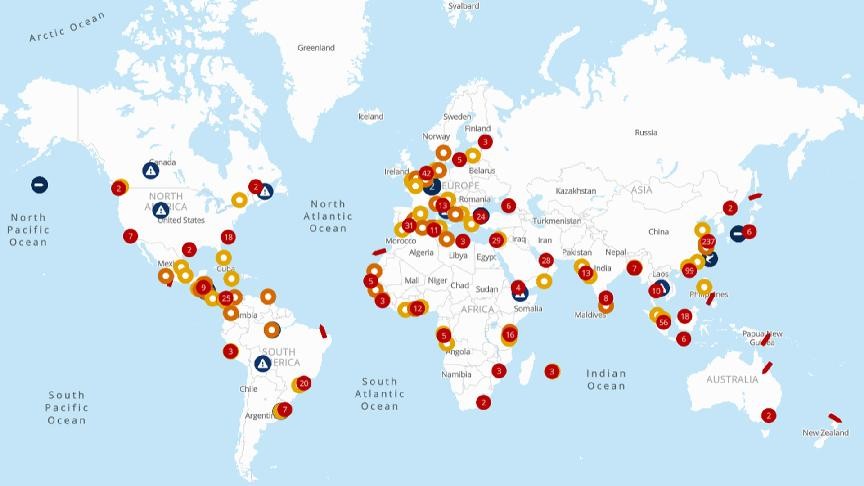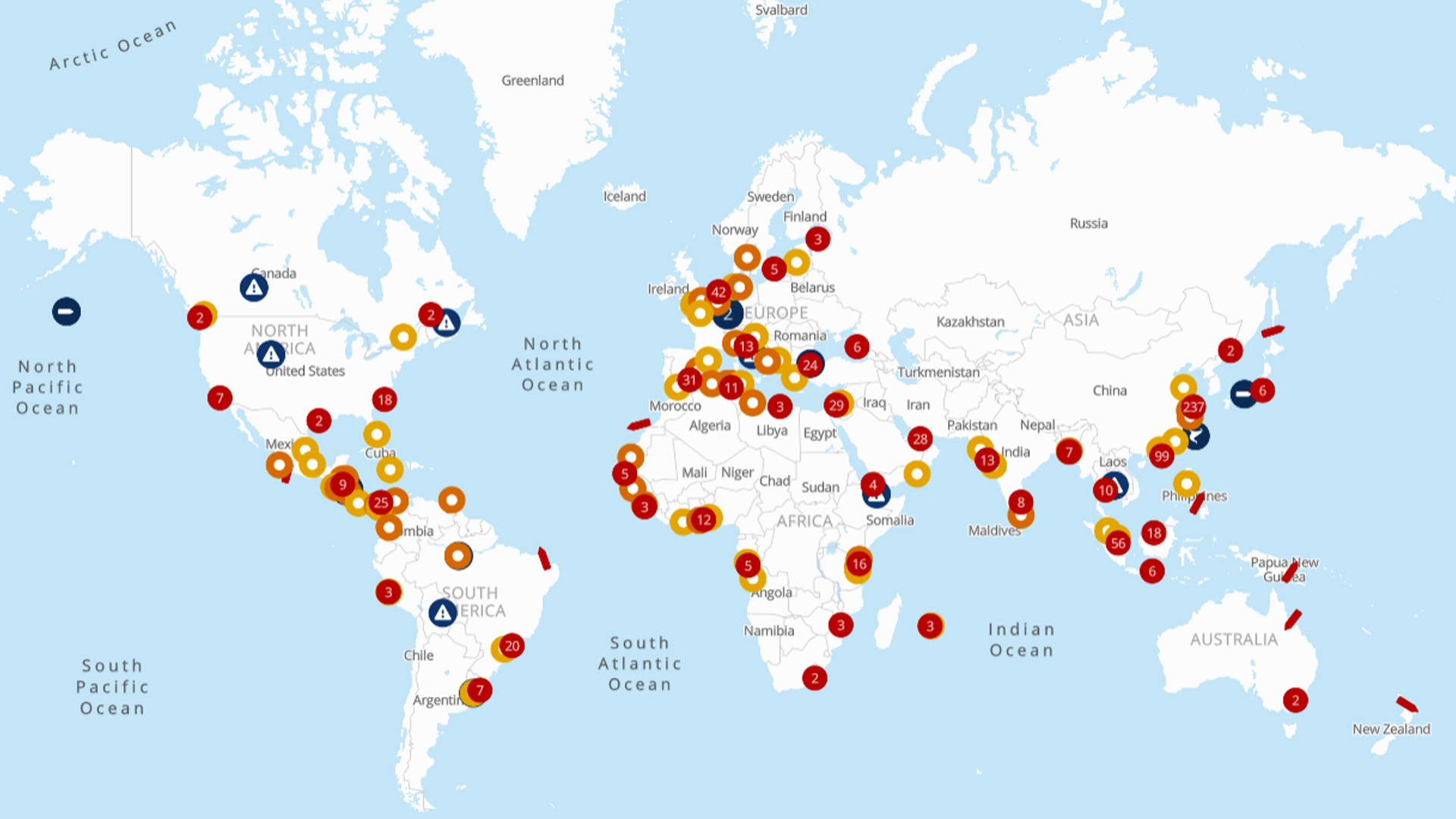

- Stay ahead of supply chain disruptions and port congestion with Kuehne+Nagel’s weekly port operational update.
- Find out the latest vessel waiting times and status of ports in Africa, Asia Oceania, Europe, Middle East-Indian Subcontinent, North America, and South and Central America.
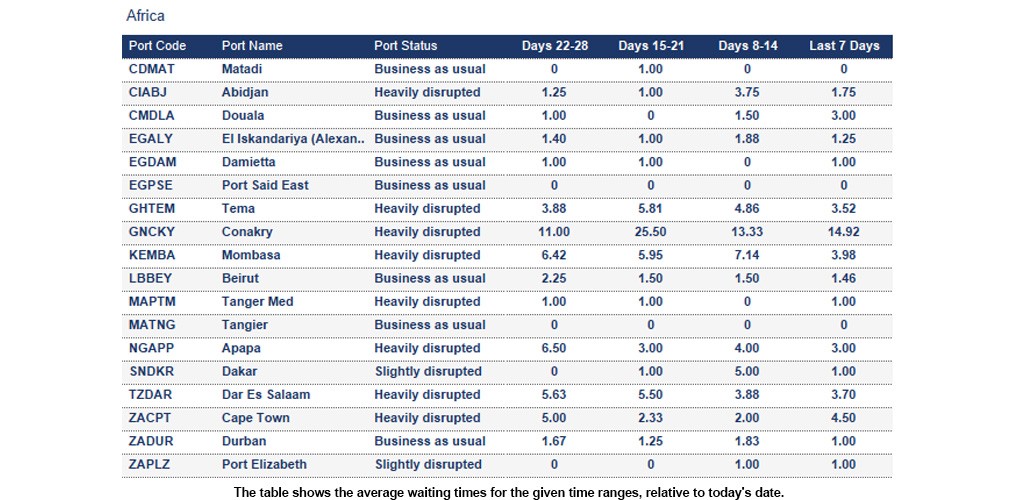
Africa
Ivory Coast
Abidjan: Port operations are impacted by floodings, landslides and regulations, which are impacting customs clearance times.
Liberia
Monrovia: The average 7-day vessel waiting time is around 4.67 days. Flooding, landslides and storms impacted road conditions and port operations. The port has no reefer storage inside the port, and only reefer plugs for containerised cargo.
Madagascar
Toamasina: Port operations suspended due to cyclone Gezani. Major disruption to transport infrastructure in eastern Madagascar is reported. Risks remain to road access and inland transport links connected to Toamasina and the surrounding regions. Read more.
Morocco
Casablanca/Tanger Med: Improved weather conditions in the West Mediterranean have enabled terminals to return to standard berthing procedures and operations. The most recent forecasts indicate that no port closures are expected for the rest of the week, and activities have fully resumed as normal.
Mozambique
Beira: The 7-day average vessel waiting time is around 11 days. Congestion and severe weather, including strong wind gusts and rain, persist.
Maputo: The country faced heavy rain in January, interrupting road transport and cargo movement. Port operations remain stable.
Republic of the Congo
Pointe Noire: The 7-day average vessel waiting time is around 4 days. Yard utilisation is moderate. The country is currently experiencing its rainy season, which is affecting transport. There is a risk of a strike at the SCTP port as the workers usually go months without payment from the port/government. But strikes are usually solved fairly quickly. Customs will no longer be working on Saturdays, which could lead to complications in clearing urgent shipments on weekends.
Sierra Leone
Freetown: The 7-day average vessel waiting time is around 3 days. The port is currently heavily congested. Transport and operations in the country are affected by adverse weather. Changes to regulations and potential changes also affect clearance times.
Asia Oceania
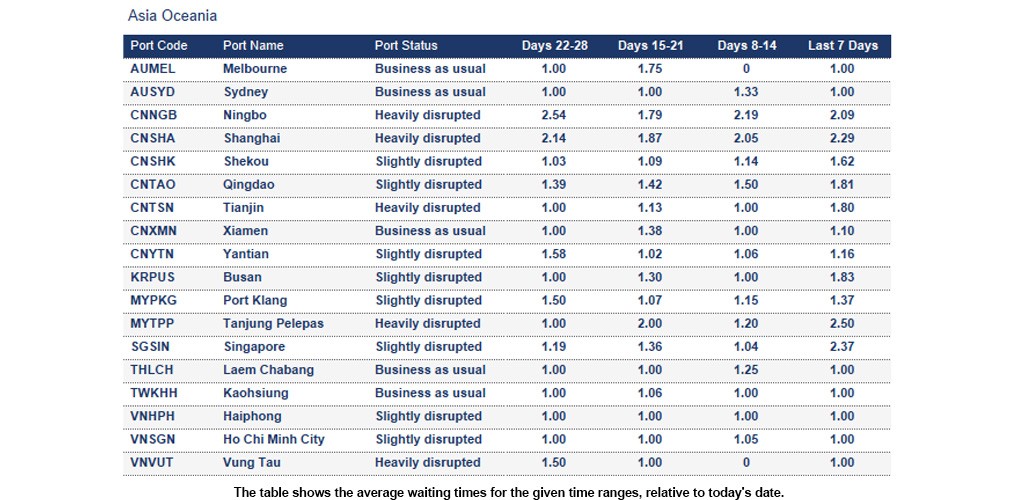
Several countries in Asia, including China, South Korea, Taiwan, the Philippines, and Vietnam, will suspend port operations during the Lunar New Year, which will be observed from 16 to 19 February in most of the region.
China
Nansha: Terminals 2 & 3 are fully congested and yard utilisation at peak (from 95% - 100%). There are strict ETA-5 rule (container return only within 5 days before ETD). In addition, booking slots are extremely rare.
Ningbo: The 7-day average vessel waiting time is around 2 days. Vessel terminals are overloaded and yard utilisation is between 90%–98%. It is currently very difficult to get booking slots.
Qingdao: The 7-day average vessel waiting time is around 1.8 days. Yard utilisation is 85%–95%. Due to vessel bunching and ongoing dredging work at Qianwan Container Terminal, Qingdao Port remains congested. Several yards have implemented strict return slot controls, limiting laden return appointments only to vessels calling before Feb 16th (00:00). Additionally, some yards have suspended stuffing services or are facing significant delays (2 days or more) due to fully saturated tallying areas.
Shanghai: The 7-day average vessel waiting time is around 2.29 days. Overall yard utilisation is 85%-95%. There's a strict booking slot system in place ahead of the CNY. The Waigaoqiao area is seriously congested, and the Yangshan area is still high.
Tianjin: The 7-day average vessel waiting time is around 1.8 days. The terminal is facing congestion and adverse weather. Yard utilisation is between 85%–95%.
Yantian: The 7-day average vessel waiting time is around 1 day. Loaded container yards are full. Daily capacity was increased to 15,000 TEU, but it is still insufficient. Booking slots taken within 1 hour. However, yard utilisation is between 95%–100% (fully saturated).
Japan
Tokyo: In YOK D5, the overall situation remains stable in week 07, with no major congestion. However, with the expected vessels bunching arrivals next week, congestion will be much worse, and waiting time could increase to 1 day generally.
Malaysia
Port Klang: Overall situation stabilised in WP with waiting time around 0.5 days generally in week 7. Yard density is improving in 73% as of this morning.
Tanjung Pelepas: Berthing situation and congestion remain dynamic. In week 7, berth 1 was partially blocked for 7 days for new RTGs delivery. In Week 10-11, berth 4 will be partially blocked for 7 days for the new QC Cranes delivery.
Philippines
Manila: Heavy berth congestion remains in both Manila North & South, with waiting & delay in 2-3 days generally. Yard utilisation is normal in both terminals with a density of around 80%.
Singapore
Singapore: The 7-day average vessel waiting time is around 1.5 days. The entire PSA remains busy, with average waiting times of around 1.5 days for all carriers. Yard utilisation is stable, currently at 80–85%.
South Korea
Busan: Laden yard density is around 72%. Heavy berth congestion in week 07 with waiting time around 1-2 days on average, mainly due to bunching arrivals and vessels being late from previous ports.
Vietnam
Ho Chi Minh City: The 7-day average vessel waiting time is around 1 day. At Cat Lai, the overall situation stabilised this week, with a generally 1-day waiting time. Overall yard utilisation maintained in high level of density around 85% in week 07.
Vung Tau: Heavy berth congestion remains waiting around 1 day in week 07 due to vessel bunching arrival as well as extra empty dischargers for coping with pre-LNY demand. Yard is highly utilised this week with density >100% which is heavily impacting overall terminal efficiency.
Europe
Belgium
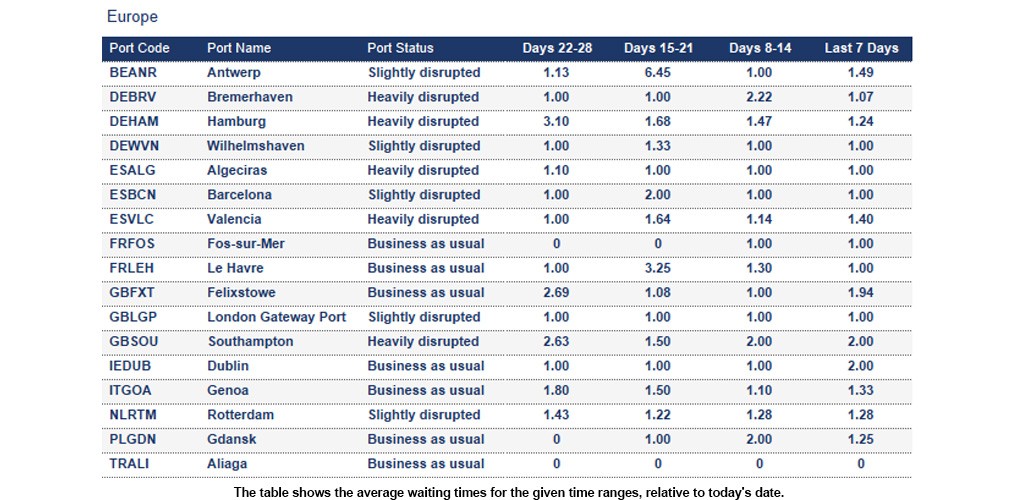
Antwerp: The 7-day average vessel waiting time is around 1.5 days.
- PSA 913: Yard utilisation is elevated at 70% – 75%, with reefer utilisation at 60% - 65%.
- PSA 869: Yard utilisation increased to a level of 65% – 70%, reefer on high utilisation of 50% – 55%.
- AGW: Yard utilisation has remained increased to 70% – 75%, with reefer utilisation reducing to 60% – 65%, and empties at 80% ~ 55%. Cargo opening times are now set to 6 days prior to vessel ETA.
Germany
Bremerhaven: The 7-day average vessel waiting time is around 1 day. Yard density is currently at an elevated level of 80% – 85% utilisation. There are delays to and from the port due to significant irregularities in train traffic.
Hamburg: Ice on the River Elbe is leading to operational challenges for berthing. At container terminals,
CTA: Yard at a high level of 80% – 85% and at CTH: Yard at a critical level of 95% – 100%. The German railway infrastructure is congested, and the closure of the Berlin–Hamburg main corridor is still in place.
Wilhelmshaven: At CTW, yard density is on a stable level of 75% – 80% utilisation. Significant train delays are reported.
Italy
La Spezia: The 7-day average vessel waiting time is around 2 days. Urgent infrastructure works on the railway line between La Spezia and Melzo began this week. The Genova Brignole station will be unavailable from 16/2 to 29/3. Shipment delays and cancellations from La Spezia to Melzo are expected during this period.
Netherlands
Rotterdam
- ECT: Yard density is at an elevated level of 75% – 80% utilisation.
- RWG: Yard utilisation remained at a critical level of 80 – 85% utilisation.
- DELTA II: Yard on a low level of 40% – 45% utilisation. APMT
- MVII: Yard at a higher level of 90% – 95%
Spain
Algeciras: The port resumed operations after severe weather and flooding. However, terminals are still facing congestion and high truck traffic. The weather is likely to remain a challenge this week.
Barcelona: The 7-day average vessel waiting time is around 1 day. The port is likely to experience severe weather on 12 February, leading to interrupted port operations.
Valencia: The port resumed operations after severe weather. However, operations were suspended from 02:00 - 08:00 am on 11 Feb. Congestion at container terminals remains, as challenging weather conditions persist.
Middle East - Indian Subcontinent
Bangladesh
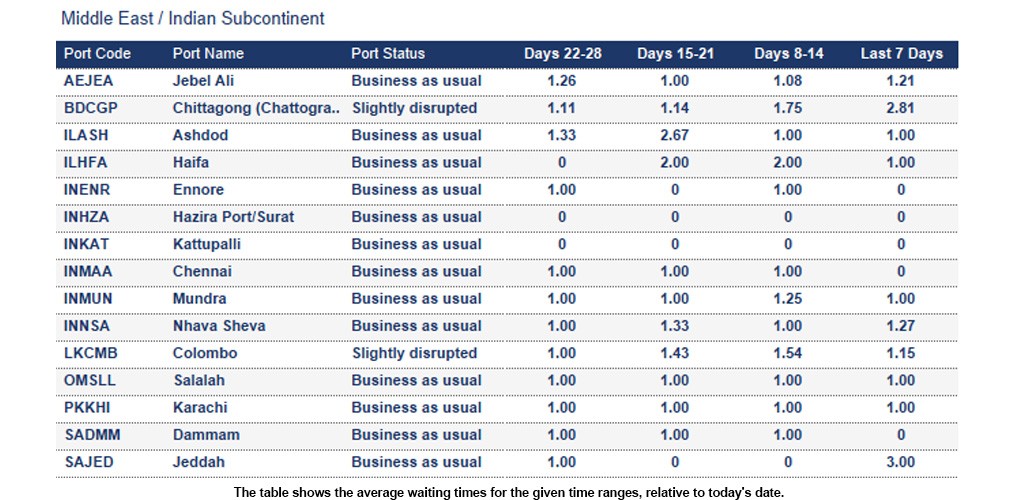
Chittagong (Chattogram): Work stoppages impacted operations from 31 Jan to 9 Feb. Stoppages reached a cumulative time of 104 hours. Chittagong port is experiencing 4-5 days of berth congestion for gearless vessels and 2-3 days of berth congestion for geared vessels.
North America
Canada
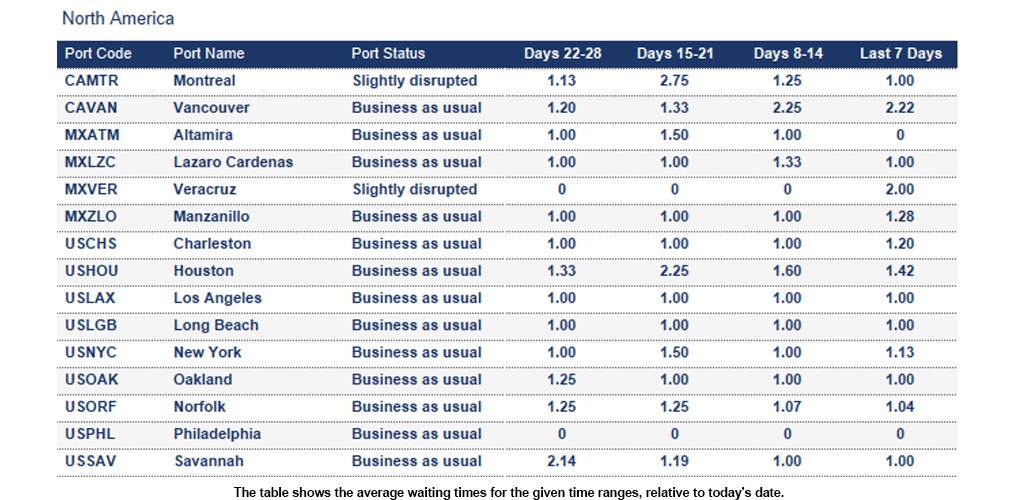
Montreal: The 7-day average vessel waiting time is around 1 day. Yard utilisation is 75% with vessel productivity remaining high. All services calling into Montreal are facing severe weather in the North Atlantic.
South and Central America
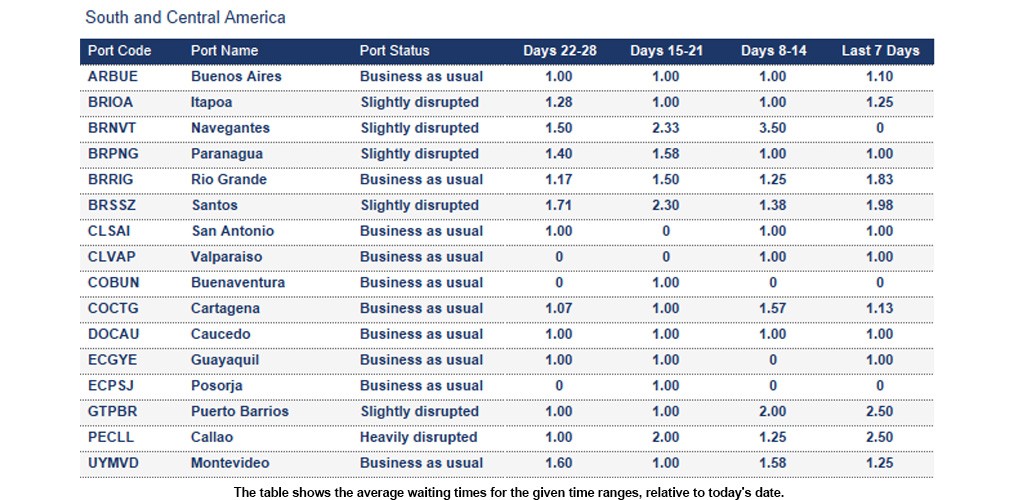
Brazil
Itapoa: The 7-day average vessel waiting time is around 1.25 days. At the ITAPOA terminals, yard density is at 84%. Berth delays impact vessel line-up. Bad weather also interferes with the vessel's operation.
Navegantes: In PORTONAVE, yard density is at 78% utilisation, while waiting times reach up to 29 hours. The facility is undergoing civil work, and just one pier is in operation.
Paranagua: The 7-day average vessel waiting time is around 1 day. The port is slightly congested due to bad weather. Yard density is at 88% utilisation, and vessel waiting times reach up to 29 hours.
Santos: The 7-day average vessel waiting time is around 2 days. Container terminals yard utilisation ranges from 63 - 77%. Vessel waiting times at the Brazil Terminal reach up to 38 hours. Vessels outside the berth window are expected to face major delays.
How Kuehne+Nagel estimates port disruption statuses
Seaexplorer has four port statuses that are estimated based mainly on the 7-day average vessel waiting time. Other factors include yard congestion, labour strikes, natural disasters or intermodal disruptions. Slightly different rules are applied to major ports, or ports that are hubs in their region, as they are typically more efficient.
- Business as usual means the port is currently operating without any significant disruption.
- Slightly disrupted is used if the 7-day average vessel waiting time exceeds 2 days.
- Heavily disrupted is used if the 7-day average vessel waiting time exceeds 4 days.
- Port closed is used when the port suspends operations due to a major disruptive event.
How Kuehne+Nagel calculates the 7-day average vessel waiting time
Mainline container vessels may spend a certain number of days waiting at designated anchorage areas before their scheduled port call.
To calculate the 7-day average waiting time, we consider the waiting days of these vessels, excluding:
- Waiting times for feeder vessels,
- Idle ships without an announced next port,
- Slow steamers heading toward the anchorage, but not actively waiting within the designated area
- Vessels passing through the anchorage area without intending to call at the port.
This rolling average is based on the last 7 days of data and is updated daily in seaexplorer. To find the latest waiting time for a port, enter the port name or code in the search bar and select the relevant option.
Stay Ahead, Stay Informed: Register for seaexplorer for the latest disruptions and vessel waiting times at global container ports.