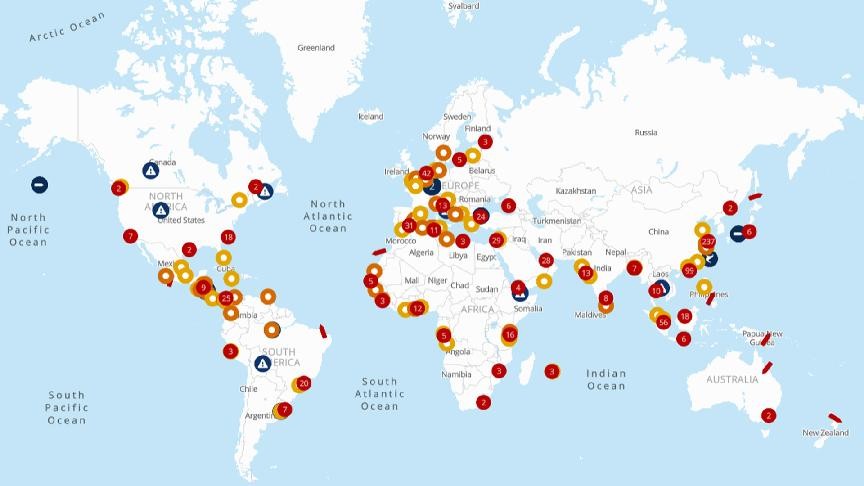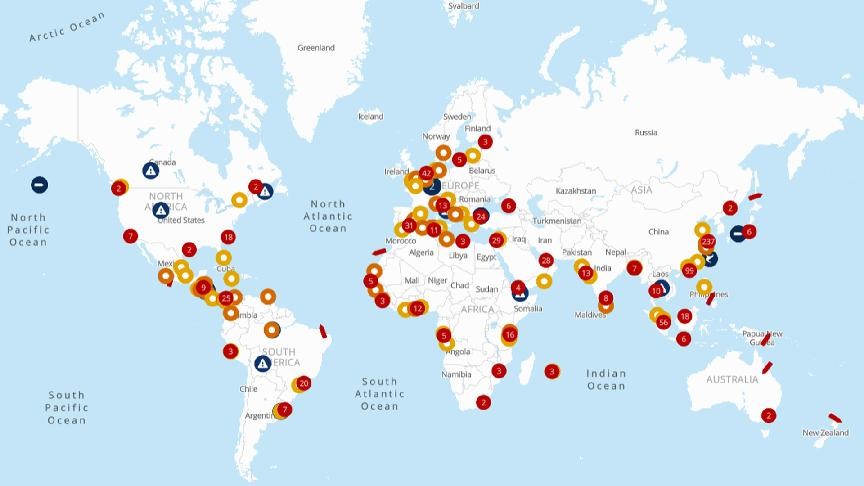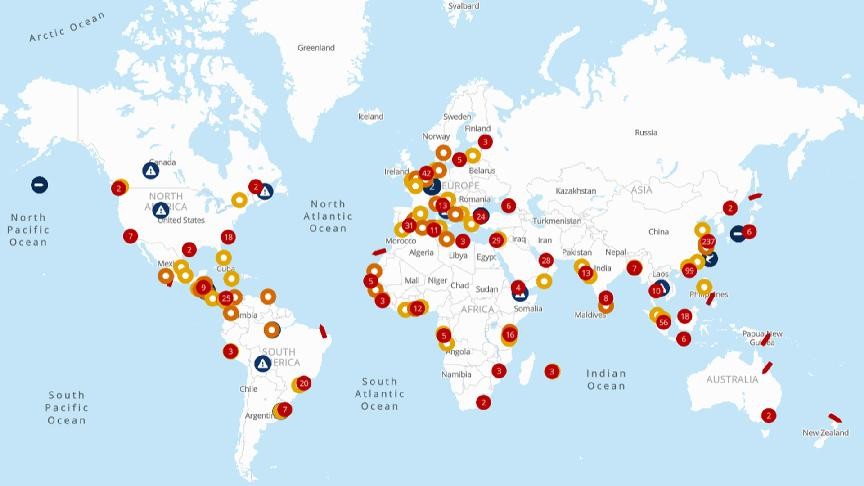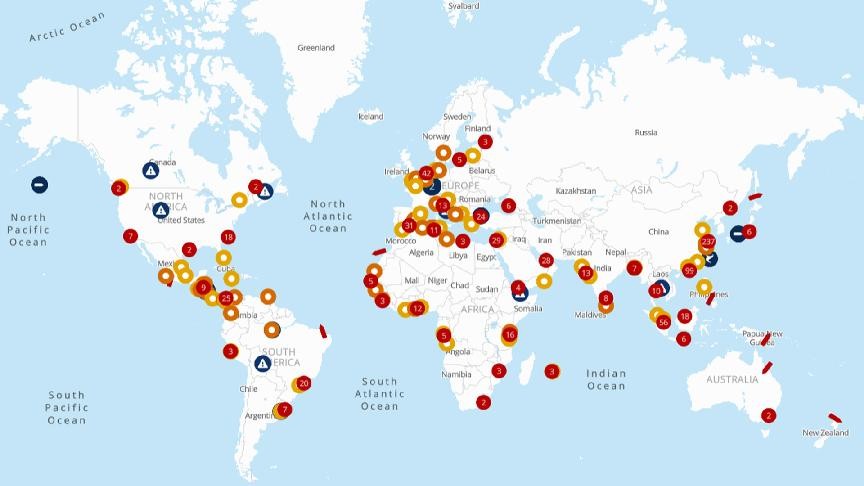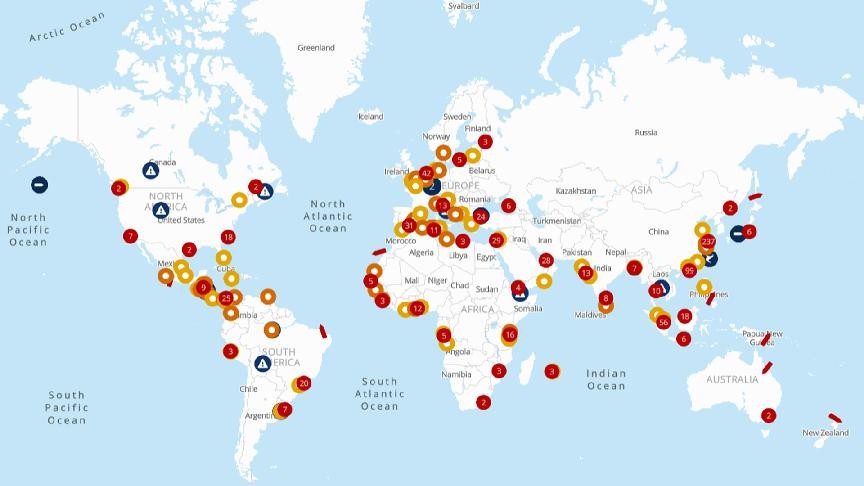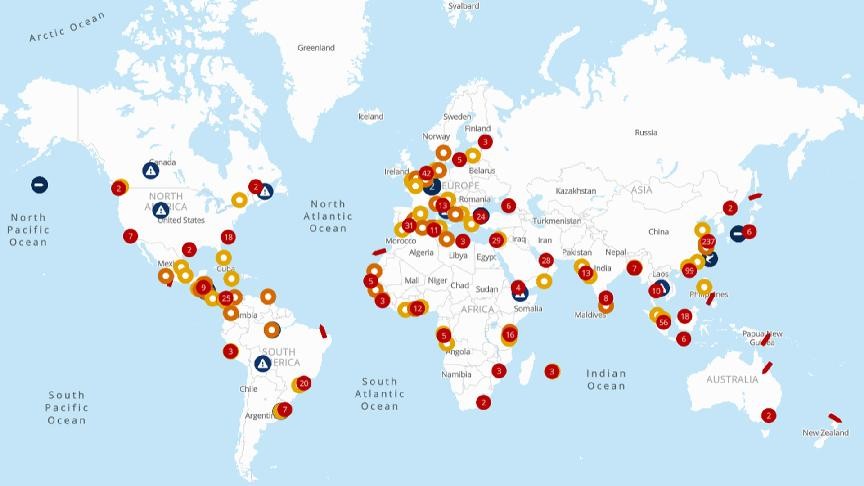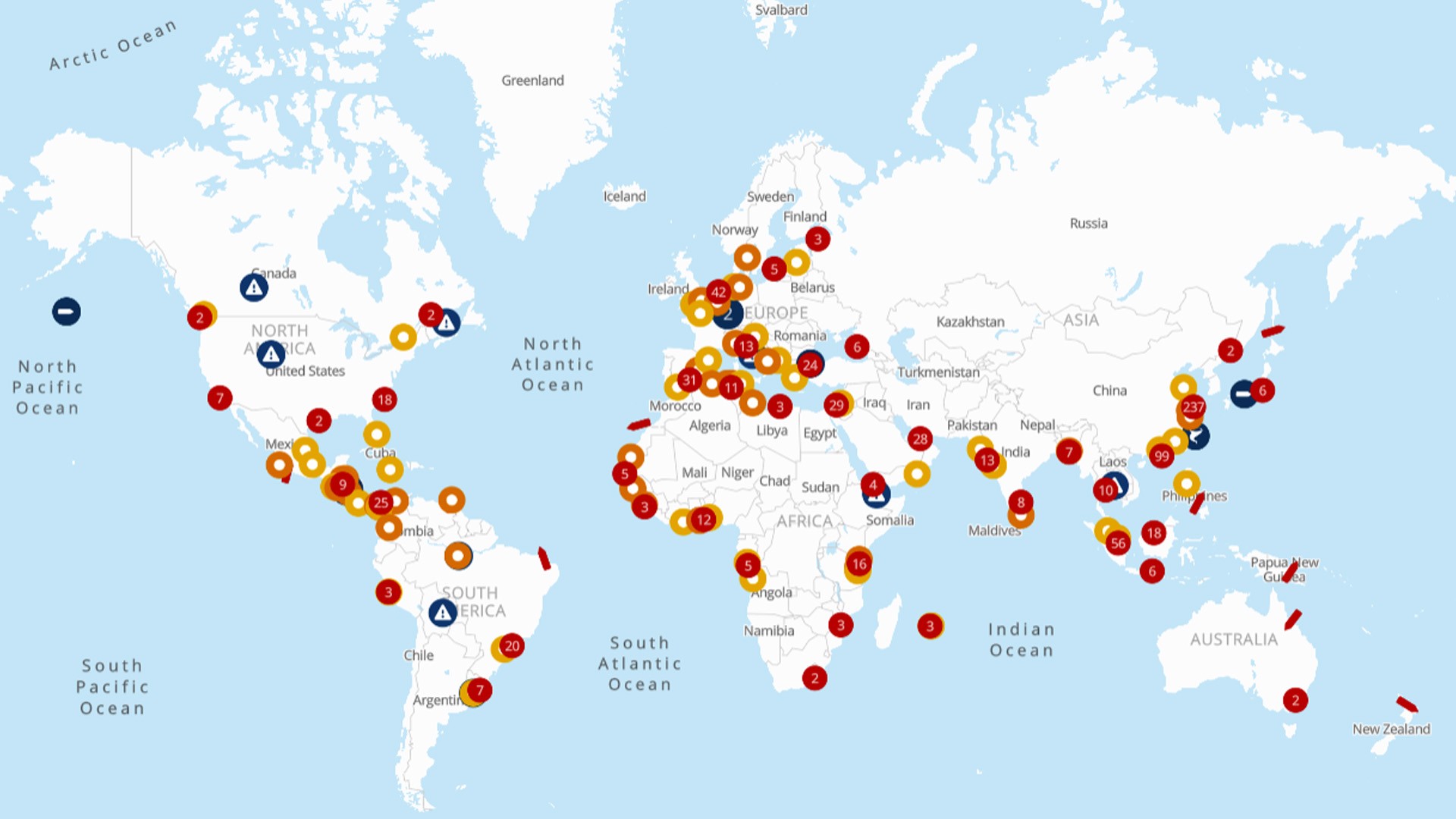

Stay ahead of supply chain disruptions and port congestion with Kuehne+Nagel’s weekly port operational update.
- Find out the latest vessel waiting times and status of ports in Africa, Asia Oceania, Europe, Middle East-Indian Subcontinent, North America, and South and Central America.
Africa
Cameroon
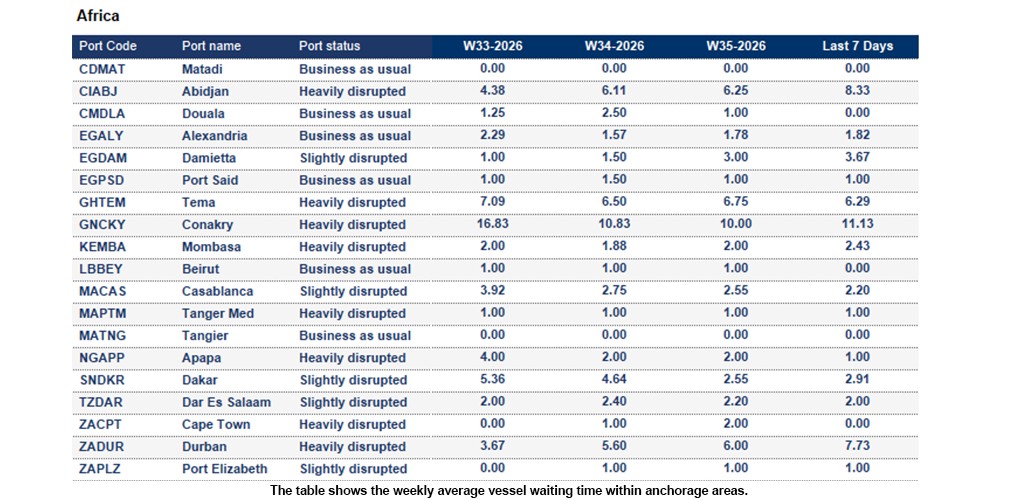
Douala: Douala continues to experience moderate congestion, with vessel waiting times reported at 3-4 days in the operational update. Rainy-season conditions and truck weight restrictions continue to affect efficiency.
The Gambia
Banjul: Conditions at Banjul have improved, with vessel waiting times reduced to around 2-3 days. Congestion has eased, although terminal capacity constraints and localised rainy-season flooding remain operational risks.
Ghana
Tema: The 7-day average vessel waiting time is around 6.29 days. Severe landside congestion, yard pressure and container imbalances continue to impact operations, resulting in delays of around 6 days. Truck access challenges and feeder schedule slippage remain key concerns.
Guinea
Conakry: The 7-day average vessel waiting time is around 11.13 days. Port congestion remains high due to limited dry, reefer and empty container storage capacity. The 24/7 truck circulation initiative has improved cargo flows, but backlog recovery remains ongoing.
Ivory Coast
Abidjan: The 7-day average vessel waiting time is around 8.33 days. Delays persist due to vessel waiting times, yard utilisation near 93%, road congestion and maintenance activities impacting productivity.
Kenya
Mombasa: The 7-day average vessel waiting time is around 2.43 days. Delays continue due to vessel congestion, yard pressure, customs processes and road transport bottlenecks.
Morocco
Tanger Med: The 7-day average vessel waiting time is around 1 day. Minor maintenance activities may slightly affect operations, but vessels can still be handled on arrival. No major operational disruptions are reported.
Nigeria
Apapa: The 7-day average vessel waiting time is around 1 day. Road congestion, yard pressure and customs-related bottlenecks are slowing cargo evacuation.
Sierra Leone
Freetown: Freetown is operating under moderate congestion, with vessel delays gradually improving. Rainy-season road conditions affect reliability and transit times, while largely manual customs processes at borders with Guinea and Liberia continue to cause delays.
South Africa
Cape Town: The 7-day average vessel waiting time is around 0.0 days. Operations remain generally stable, although heavy reefer export volumes continue to impact loading activities, with DG and dry cargo facing rollover risks. Delays range between 0 and 6 days, while one crane at MPT remains under repair.
Durban: The 7-day average vessel waiting time is around 7.73 days. Operations remain under pressure due to severe congestion at DGT, where delays of 7-10 days and vessel delays of up to 21 days are reported. Pier 1 faces delays of 3-4 days, while Point remains largely unaffected. High reefer export volumes and weather-related interruptions may continue to impact performance.
Port Elizabeth: The 7-day average vessel waiting time is around 1 day. Operations remain stable with delays limited to 0-2 days. Terminal maintenance at NCT continues through the end of August, while occasional strong winds may cause short-term disruption.
Asia Oceania
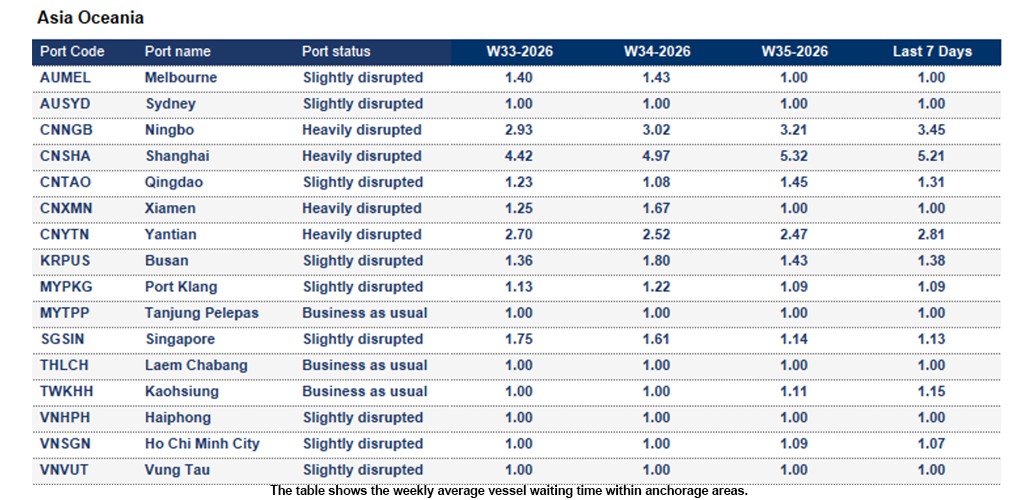
China
Ningbo: The 7-day average vessel waiting time is around 3.45 days. Delays are expected following Typhoon SAUDEL. High yard occupancy (92-95%) and reefer plug utilisation (94%), vessel bunching, elevated berth waiting times and trucking pressure continue to impact operations.
Shanghai: The 7-day average vessel waiting time is around 5.21 days. Typhoon-related terminal closures continue to impact operations. Vessel queues, berth congestion, high yard density and schedule adjustments are creating cargo backlogs and elevated risk of rollovers and transhipment delays.
Japan
Yokohama: The 7-day average vessel waiting time is around 1 day. High yard utilisation of 90-95% and typhoon-related vessel delays continue to affect operations. Additional vessel calls are expected in the coming week.
Malaysia
Port Klang: The 7-day average vessel waiting time is around 1.09 days. Yard density remains high at 85-90%.
Philippines
Manila: The 7-day average vessel waiting time is around 2.5 days. Congestion persists across both North and South terminals, with berth delays of 2-3 days and ongoing schedule volatility.
South Korea
Busan: The 7-day average vessel waiting time is around 1.38 days. Delays persist due to vessel bunching and increased transhipment cargo volumes, with congestion expected to remain dynamic.
Europe
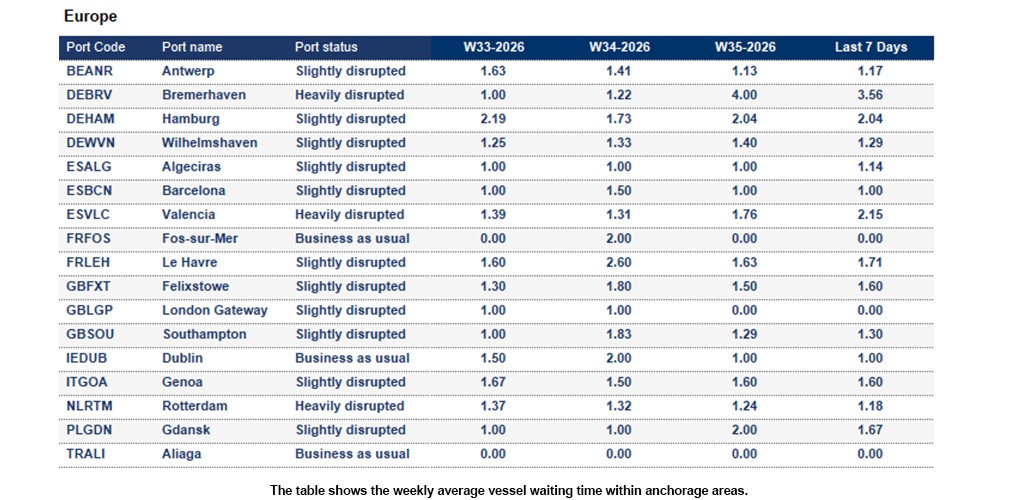
Germany
Bremerhaven: The 7-day average vessel waiting time is around 3.56 days. Yard occupancy remains critically high at 97%, creating pressure especially for IMO and OOG cargo. Vessel schedules are generally stable, but anticipated strike action and weather-related delays from Asia may impact operations in the coming weeks.
Hamburg: The 7-day average vessel waiting time is around 2.04 days. Yard occupancy is 78%. Operations remain stable, but indications suggest the latest labour offer may be rejected, increasing the risk of German-wide strike action. Any strike could impact vessel line-ups and schedules, depending on duration.
Wilhelmshaven: The 7-day average vessel waiting time is around 1.29 days. Yard density remains manageable at 65%. Vessel operations are largely stable, with only minor knock-on delays from last week's strike. Further strike action could lead to shortened or extended port stays and schedule adjustments.
Italy
Genoa: The 7-day average vessel waiting time is around 1.6 days. Delays continue due to feeder disruptions and inland transport coordination challenges.
La Spezia: The 7-day average vessel waiting time is around 1.83 days. Delays continue due to feeder network disruption and inland transport constraints.
Netherlands
Rotterdam: The 7-day average vessel waiting time is around 1.18 days.
Spain
Algeciras: The 7-day average vessel waiting time is around 1.14 days. The port is congested, and transhipment delays occur.
Barcelona: The 7-day average vessel waiting time is around 1 day. Operations remain stable, although wider Mediterranean network disruption remains a risk.
Middle East - Indian Subcontinent
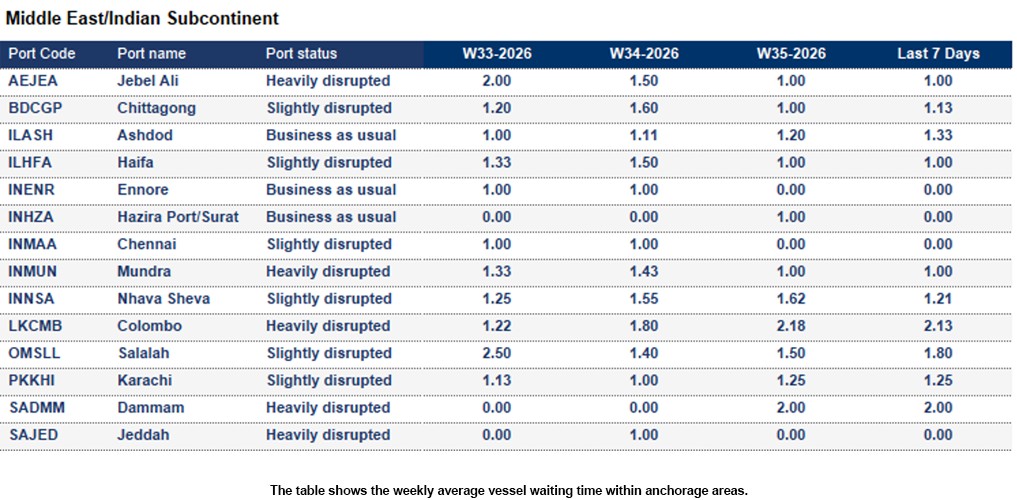
India
Nhava Sheva: The 7-day average vessel waiting time is around 1.21 days. Delays persist due to elevated terminal density, vessel waiting times and equipment shortages resulting from regional network disruption.
North America
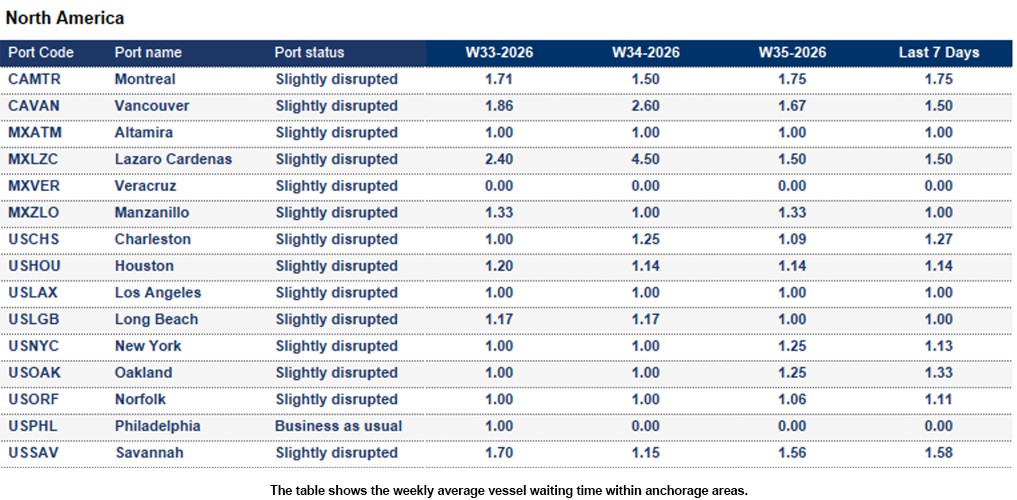
Canada
Average import rail dwell time for Canadian cargo (Vessel arrival to departure rail ramp):
- Halifax: 5 days
- Montreal: 8 days
- Prince Rupert: 6 days
- Saint John: 13 days
- Vancouver: 5 days
Vancouver: The 7-day average vessel waiting time is around 1.5 days. Rail network performance remains critical.
Mexico
Manzanillo: The 7-day average vessel waiting time is around 1 day. Elevated yard congestion, customs delays and trucking bottlenecks continue to impact operations.
United States
Los Angeles: The 7-day average vessel waiting time is around 1 day. Delays persist, with trucking and chassis availability affecting cargo movements.
New York: The 7-day average vessel waiting time is around 1.13 days. Delays continue due to high terminal utilisation and inland distribution constraints.
Savannah: The 7-day average vessel waiting time is around 1.58 days. Elevated berth demand continues to drive delays.
South and Central America
Brazil
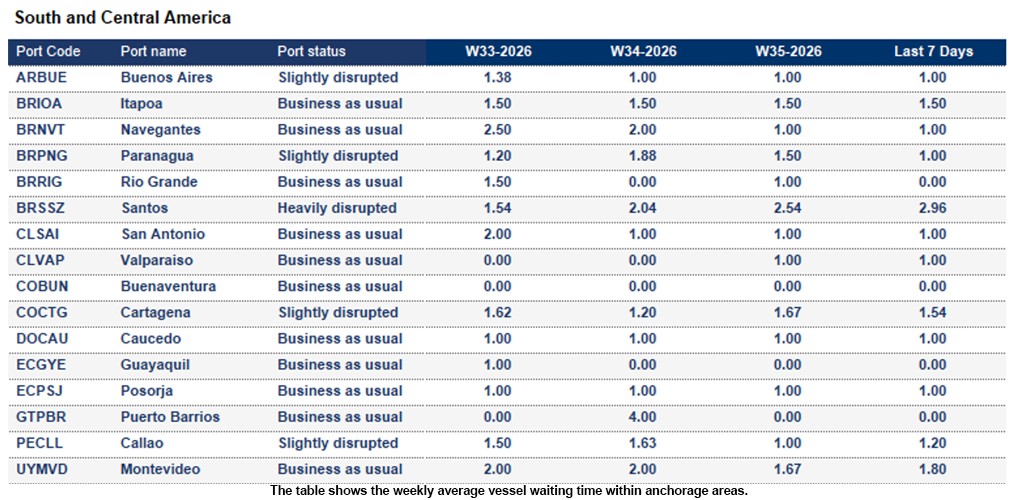
Paranagua: The 7-day average vessel waiting time is around 1 day. High congestion and long vessel queues are causing delays.
Santos: The 7-day average vessel waiting time is around 2.96 days. Operations remain stable overall, although higher terminal density is contributing to delays.
Panama
Balboa: The 7-day average vessel waiting time is around 2.0 days.
How Kuehne+Nagel estimates port disruption statuses
Seaexplorer has four port statuses that are estimated based mainly on the 7-day average vessel waiting time. Other factors include yard congestion, labour strikes, natural disasters or intermodal disruptions. Slightly different rules are applied to major ports, or ports that are hubs in their region, as they are typically more efficient.
- Business as usual means the port is currently operating without any significant disruption.
- Slightly disrupted is used if the 7-day average vessel waiting time exceeds 2 days.
- Heavily disrupted is used if the 7-day average vessel waiting time exceeds 4 days.
- Port closed is used when the port suspends operations due to a major disruptive event.
How Kuehne+Nagel calculates the 7-day average vessel waiting time
Mainline container vessels may spend a certain number of days waiting at designated anchorage areas before their scheduled port call.
To calculate the 7-day average waiting time, we consider the waiting days of these vessels, excluding:
- Waiting times for feeder vessels,
- Idle ships without an announced next port,
- Slow steamers heading toward the anchorage, but not actively waiting within the designated area
- Vessels passing through the anchorage area without intending to call at the port.
This rolling average is based on the last 7 days of data and is updated daily in seaexplorer. To find the latest waiting time for a port, enter the port name or code in the search bar and select the relevant option.
Stay Ahead, Stay Informed: Register for seaexplorer for the latest disruptions and vessel waiting times at global container ports.