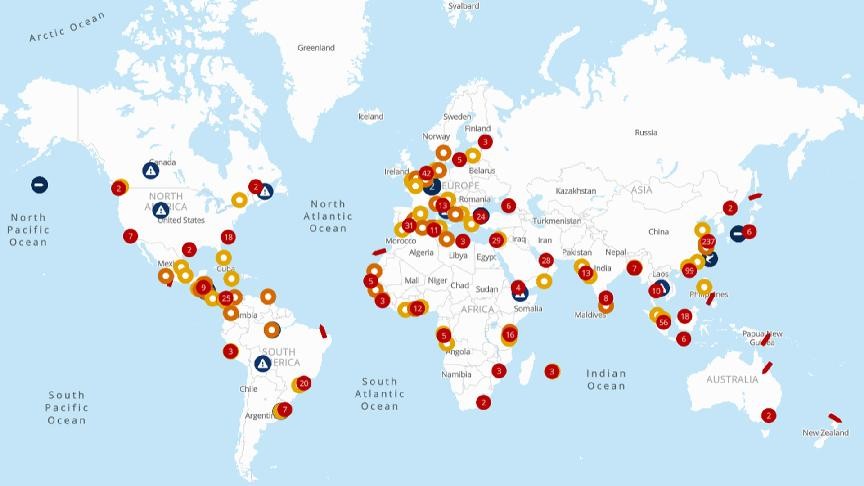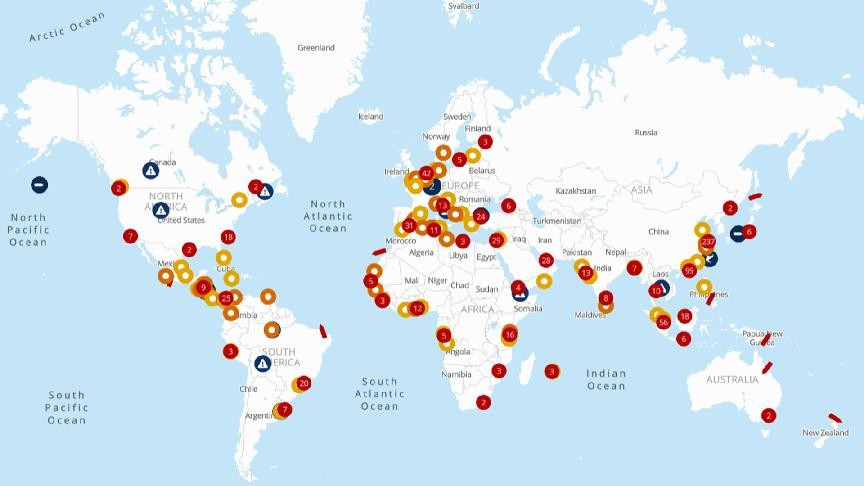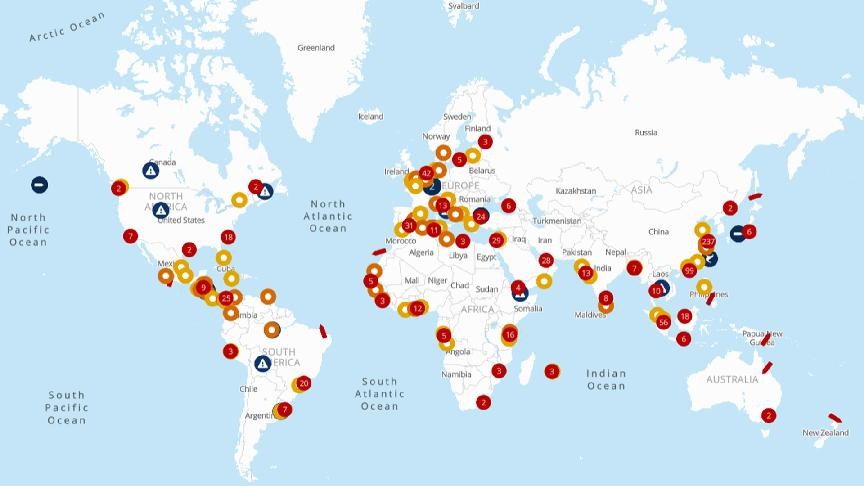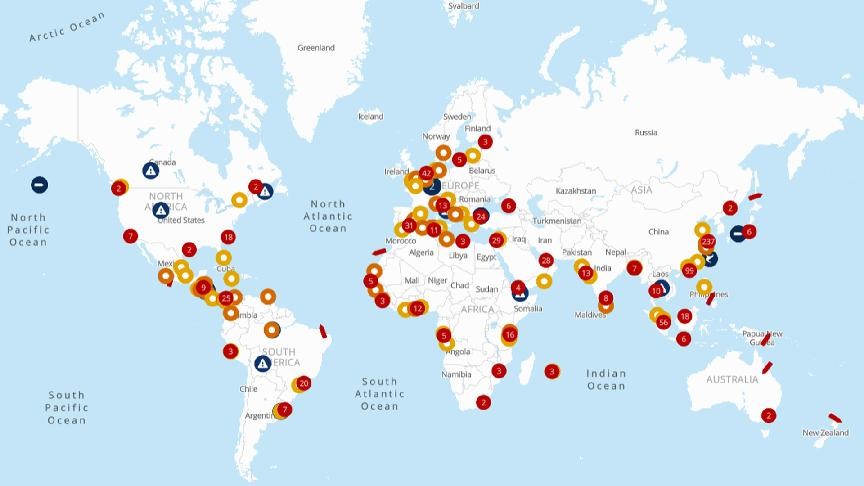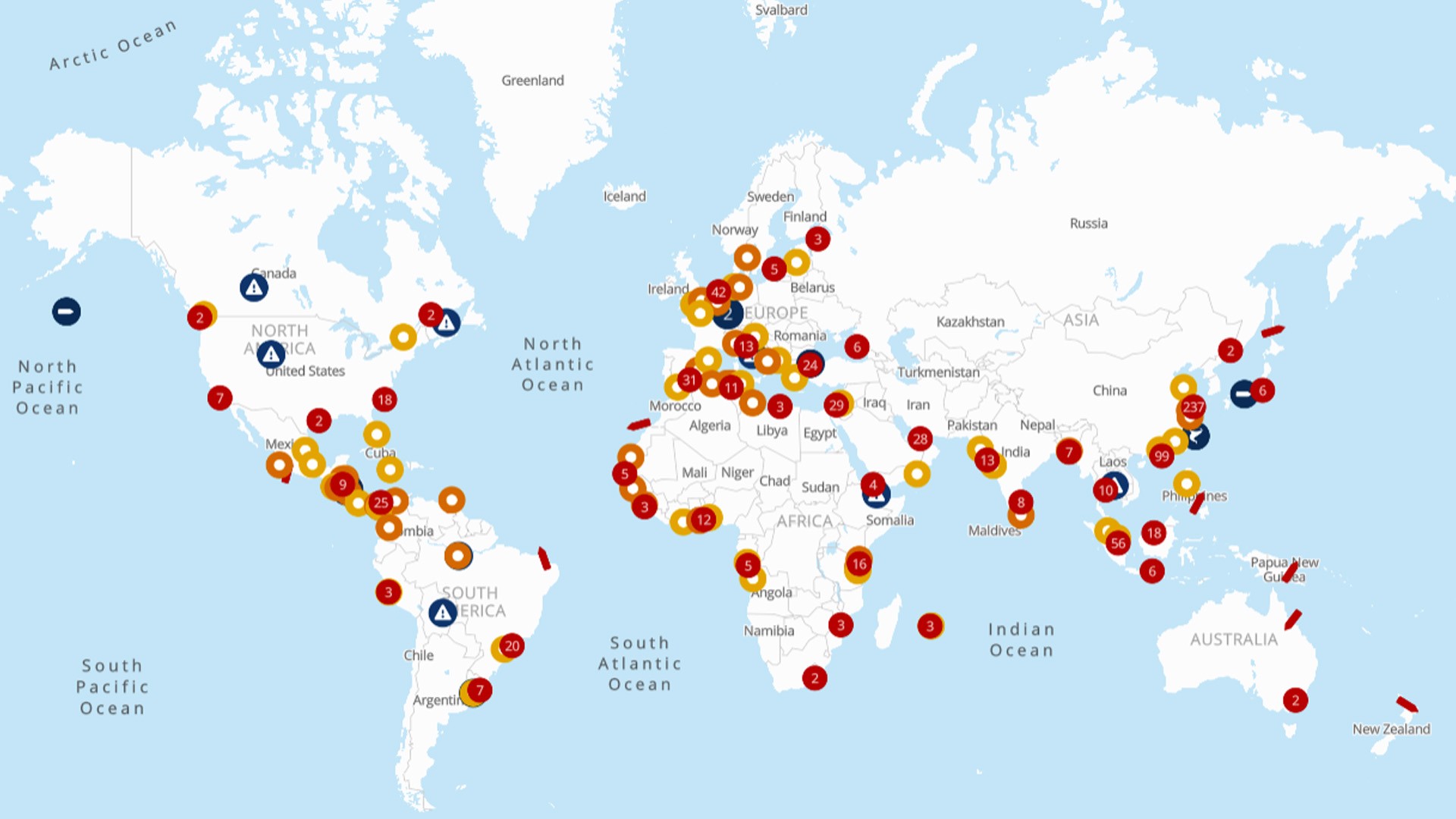

- Stay ahead of supply chain disruptions and port congestion with Kuehne+Nagel’s weekly port operational update.
- Find out the latest vessel waiting times and status of ports in Africa, Asia Oceania, Europe, Middle East-Indian Subcontinent, North America, and South and Central America.
Africa
Benin
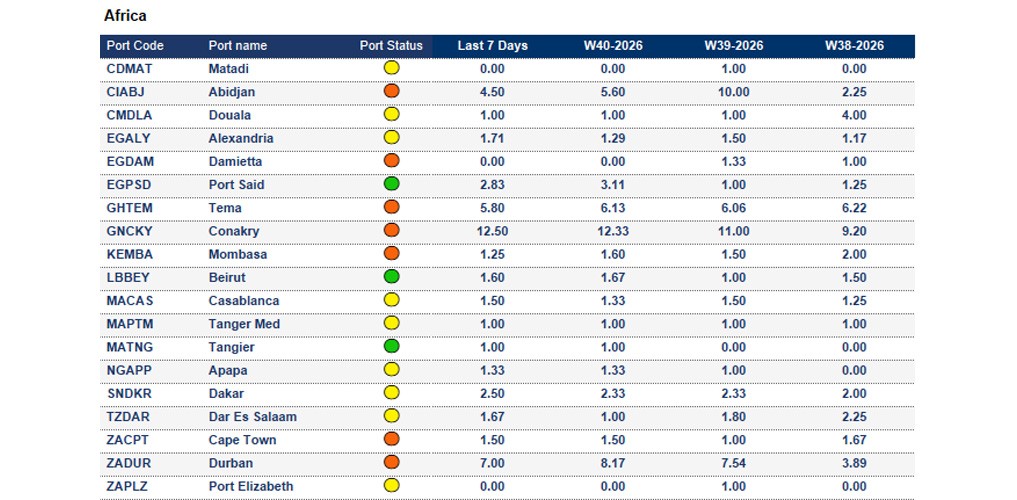
Cotonou: The 7-day average vessel waiting time is around 2.17 days. Cotonou remains relatively stable, with vessel delays of up to two days where documentation is complete. Off-window vessel berthing remains subject to availability.
Cameroon
Douala: The 7-day average vessel waiting time is around 2.5 days. Douala is experiencing delays, primarily due to seasonal rainfall impacting port operations.
Ghana
Tema: The 7-day average vessel waiting time is around 5.8 days. Significant congestion continues. High yard density, trucking shortages and strong cargo demand remain the primary constraints. Operations remain also heavily constrained by fully utilised reefer capacity. Non-window vessels remain subject to berth availability.
Ivory Coast
Abidjan: The 7-day average vessel waiting time is around 4.5 days. The port remains heavily constrained, with vessel waiting times reaching up to 12 days. Equipment reliability issues, truck shortages, strong cargo volumes and elevated dwell times continue to impact productivity.
Mauritius
Port Louis: The 7-day average vessel waiting time is around 2.25 days. Operations remain under moderate pressure due to strong winds, high swells and elevated transhipment volumes, resulting in occasional vessel delays and truck queuing.
Republic of the Congo
Pointe Noire: The 7-day average vessel waiting time is around 4.0 days. Yard utilisation remains critically high and berth delays continue. Priority is being given to vessels carrying higher cargo volumes to help alleviate congestion.
South Africa
Coega: The 7-day average vessel waiting time is around 4.5 days. Operations face intermittent weather-related disruption, with delays of up to 5 days reported. Strong winds and ongoing equipment repairs at NCT continue to impact terminal productivity, although CFS and inland transport services remain on schedule.
Durban: The 7-day average vessel waiting time is around 7.0 days. Severe congestion persists across the port, with Pier 1 impacted by equipment failures and delays. Pier 2 remains critically constrained due to equipment shortages, high yard congestion and vessel bunching. Some carriers continue to omit Durban and transship cargo via alternative gateways.
Asia Oceania
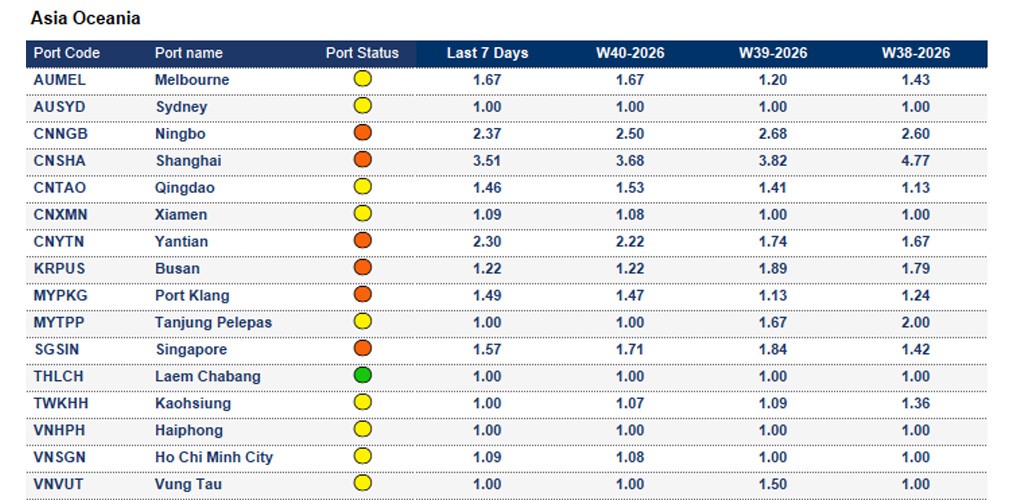
China
Ningbo: The 7-day average vessel waiting time is around 2.37 days. Operations remain constrained by very high yard utilisation and ongoing dredging works at MSICT. Berth availability is reduced by long-term maintenance works. Minor improvement is anticipated following Golden Week.
Qingdao: The 7-day average vessel waiting time is around 1.46 days. Concentrated arrivals of mega vessels and ongoing dredging activities continue to affect productivity and berth availability.
Shanghai: The 7-day average vessel waiting time is around 3.51 days. Heavy congestion persists across terminals, with waiting times of 3-4 days and exceeding seven days at some facilities. High yard density and strong cargo volumes continue to impact operational efficiency, although slight relief is expected following Golden Week.
Philippines
Manila: The 7-day average vessel waiting time is around 1.61 days. Congestion remains elevated, particularly in Manila South. Yard utilisation remains high across the port complex, impacting vessel productivity. The port is facing work stoppages by truckers and customs brokers due to the backlog of containers, planned until 7 October. Read more.
South Korea
Busan: The 7-day average vessel waiting time is around 1.22 days. Critical yard congestion and berth delays continue to impact operations, with laden yard density nearing full utilisation. Heavy discharge vessels face reduced priority.
Europe
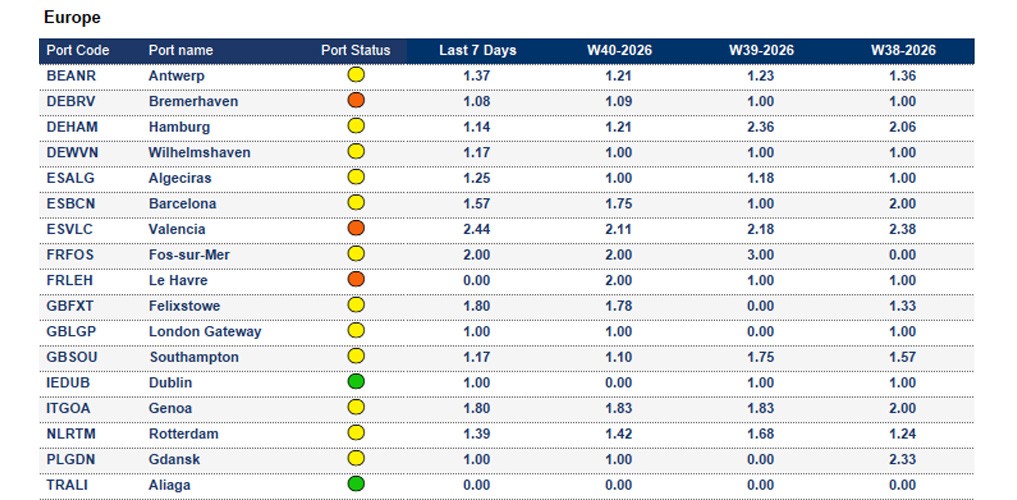
Belgium
Antwerp: The 7-day average vessel waiting time is around 1.37 days. Overall operations remain stable, although Q913 is experiencing high yard utilisation, particularly for empty containers. Barge delays of approximately 24 hours continue. Lock maintenance from 3 October is expected to disrupt terminal transfers, with most inter-terminal cargo movements shifting from truck to barge.
Germany
German port employers and the Verdi trade union have agreed to a new collective labour deal covering workers at the country’s seaports. Read more.
Meanwhile, water levels on Germany’s rivers and canals have declined further since August, effectively preventing loaded barges from moving beyond the measuring point. Read more.
Bremerhaven: The 7-day average vessel waiting time is around 1.08 days. The port remains the most constrained German gateway, with yard occupancy at 92%. Capacity pressure is particularly acute for IMO and OOG cargo. Services continue to face delays and require close monitoring.
Hamburg: The 7-day average vessel waiting time is around 1.14 days. Operations remain stable with yard occupancy between 80-85%. Some vessel delays persist due to berth availability and late arrivals, but gaps next week should support recovery.
Wilhelmshaven: The 7-day average vessel waiting time is around 1.17 days. Yard density remains manageable at 65%. Operations are generally stable, although weekend planning is complicated by delayed services and discharge-only calls. Workforce availability may be impacted during Lower Saxony school holidays in weeks 42-43.
Netherlands
Rotterdam: The 7-day average vessel waiting time is around 1.39 days. Terminal operations remain stable overall despite varying yard utilisation levels. ECT is operating at 82% occupancy with reefer capacity under control, although barge and feeder delays of 12-24 hours continue to impact schedules. MVII reports high yard occupancy at 90% without major operational challenges, while Delta II remains fluid with only 22% yard occupancy and sufficient capacity available to accommodate additional discharge volumes if required.
Indian Subcontinent
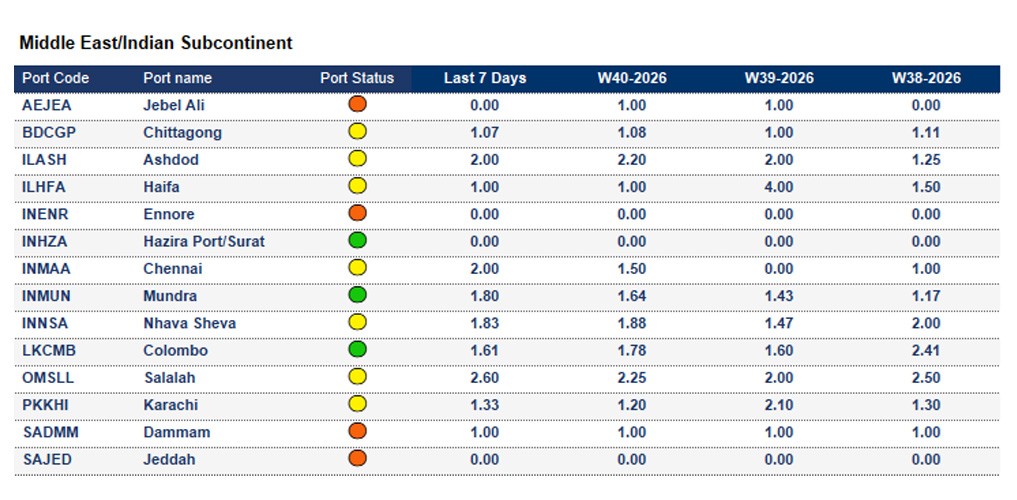
Bangladesh
Chittagong (Chattogram): The 7-day average vessel waiting time is around 1.07 days. Yard density remains elevated at 75-80%. Operational performance remains stable, with gearless vessels expected to be maintained within a 48-hour port stay window.
India
Nhava Sheva: The 7-day average vessel waiting time is around 1.83 days. Trucking and terminal gate congestion continue to affect operations, resulting in elevated container dwell times and inconsistent schedule reliability.
North America
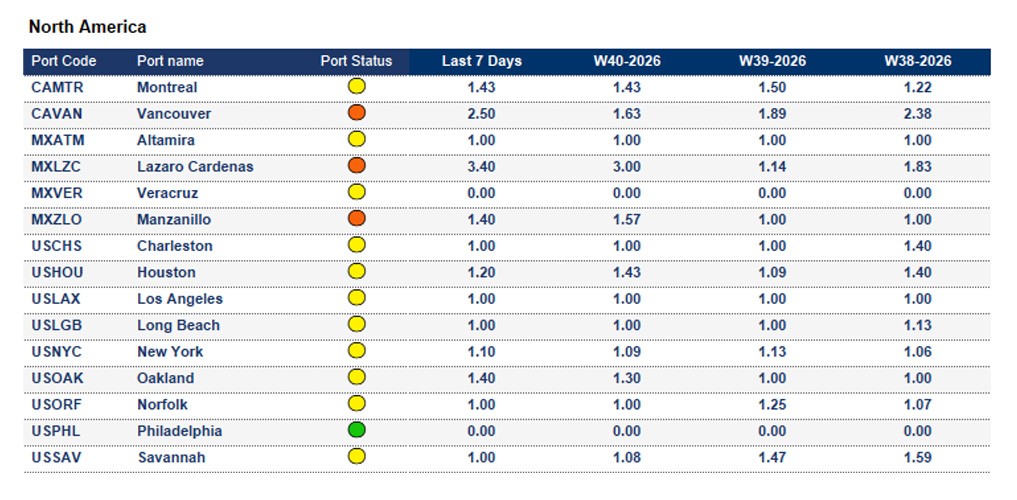 Canada
Average rail dwell times:
- Halifax: 4
- Montreal: 6
- Prince Rupert: 8
- Vancouver: 5
Mexico
Lazaro Cardenas: The 7-day average vessel waiting time is around 3.4 days. Tropical Storm Rachel is bringing heavy rainfall and adverse weather conditions to Mexico’s Pacific coast, with potential disruption to vessel operations, cargo flows and hinterland connectivity through Lázaro Cárdenas. Read more.
Manzanillo: The 7-day average vessel waiting time is around 1.4 days. Customs clearance delays, terminal density, restricted truck access and inland transport bottlenecks continue to impact port performance.
United States
Average rail dwell times:
- Halifax - 2 days
- Montreal - 6 days
- Prince Rupert - 5 days
- Saint-John - 8 days
- Vancouver - 5 days
- Baltimore - 6 days
- Charleston - 2 days
- Newark - 3 days
- Houston - 6 days
- Wilmington - 9 days
- Jacksonville - 12 days
- Los Angeles - 8 days
- Long Beach - 9 days
- Mobile - 2 days
- New York - 4 days
- New Orleans - 5 days
- Oakland - 4 days
- Norfolk - 3 days
- Philadelphia - 3 days
- Savannah - 2 days
- Seattle - 5 days
- Tacoma - 5 days
Los Angeles: The 7-day average vessel waiting time is around 1 day. Inland rail and transport constraints remain the primary challenges, while elevated import volumes continue to pressure terminal and landside networks. The Vincent Thomas Bridge, closes in autumn 2026 for a major deck replacement project. This repair work is estimated to take 16 months.
South and Central America
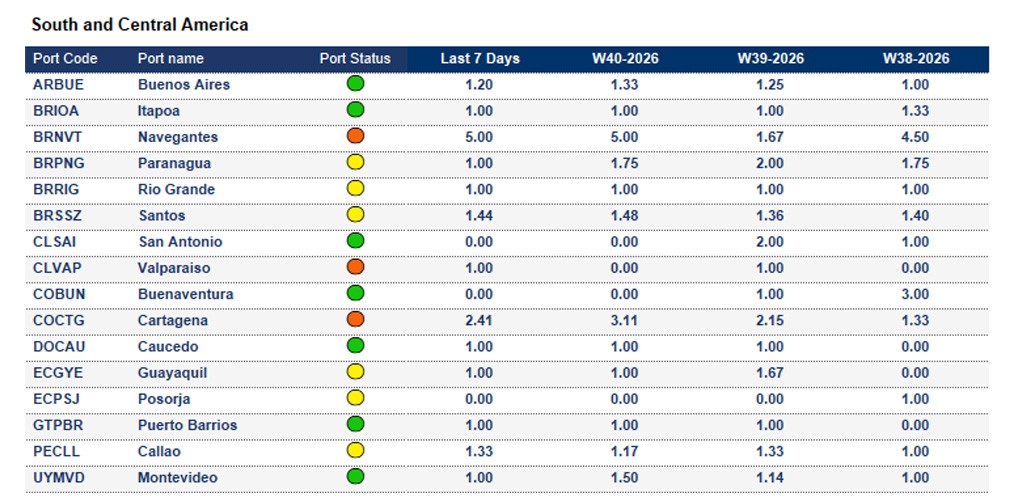
Brazil
Itajai: The 7-day average vessel waiting time is around 2.0 days. Operations continue to improve despite adverse weather conditions. Vessel waiting times remain limited and productivity has strengthened week-on-week.
Manaus: The 7-day average vessel waiting time is around 1 day. River conditions in the Amazon region indicate that the dry season is likely to begin in October (week41), which entails navigation restrictions impacting cargo movement around the Port of Manaus. Maersk expects operational impact occurring between weeks 43 and 47, and capacity restrictions between weeks 48 and 52 (December).
Navegantes: The 7-day average vessel waiting time is around 5.0 days. Yard utilisation is at 78%, reports Hapag-Lloyd. Vessel waiting times exceed 24 hours. The Portnave terminal is carrying out civil works to receive larger vessels.
How Kuehne+Nagel estimates port disruption statuses
Seaexplorer has four port statuses that are estimated based mainly on the 7-day average vessel waiting time. Other factors include yard congestion, labour strikes, natural disasters or intermodal disruptions. Slightly different rules are applied to major ports, or ports that are hubs in their region, as they are typically more efficient.
- Business as usual means the port is currently operating without any significant disruption.
- Slightly disrupted is used if the 7-day average vessel waiting time exceeds 2 days.
- Heavily disrupted is used if the 7-day average vessel waiting time exceeds 4 days.
- Port closed is used when the port suspends operations due to a major disruptive event.
How Kuehne+Nagel calculates the 7-day average vessel waiting time
Mainline container vessels may spend a certain number of days waiting at designated anchorage areas before their scheduled port call.
To calculate the 7-day average waiting time, we consider the waiting days of these vessels, excluding:
- Waiting times for feeder vessels,
- Idle ships without an announced next port,
- Slow steamers heading toward the anchorage, but not actively waiting within the designated area
- Vessels passing through the anchorage area without intending to call at the port.
Stay Ahead, Stay Informed: Register for seaexplorer for the latest disruptions and vessel waiting times at global container ports.