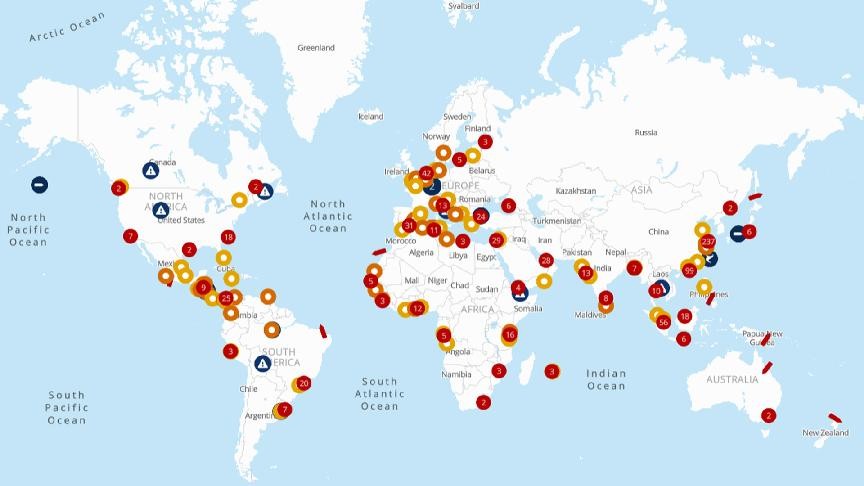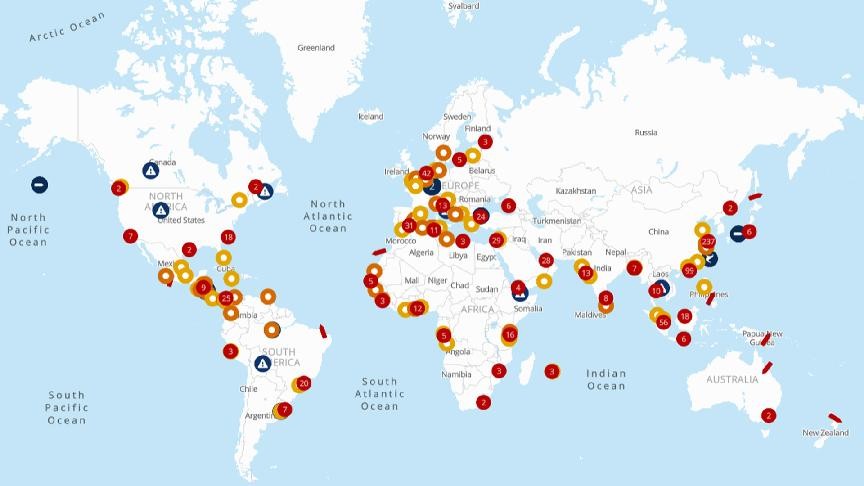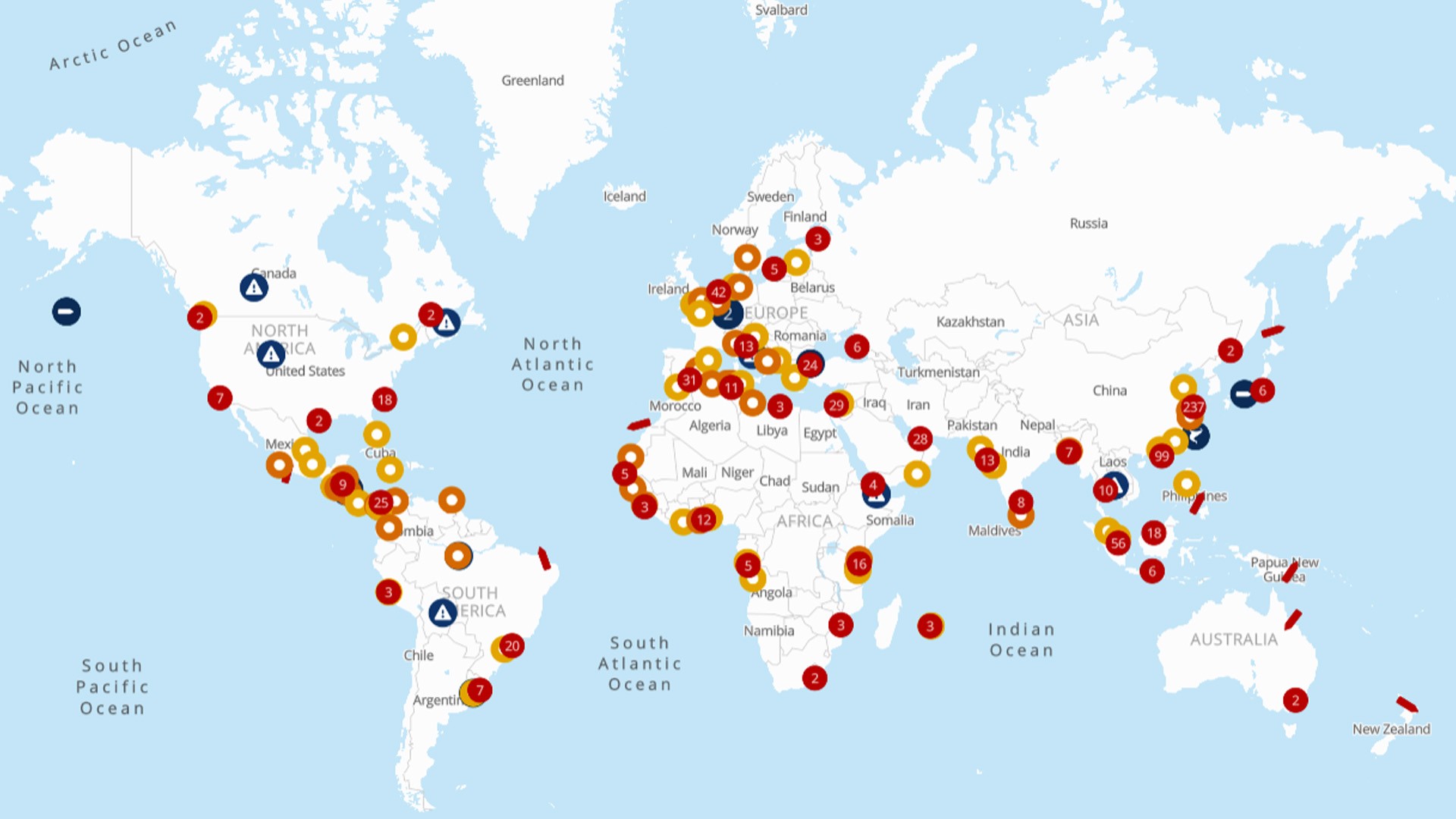

- Stay ahead of supply chain disruptions and port congestion with Kuehne+Nagel’s weekly port operational update.
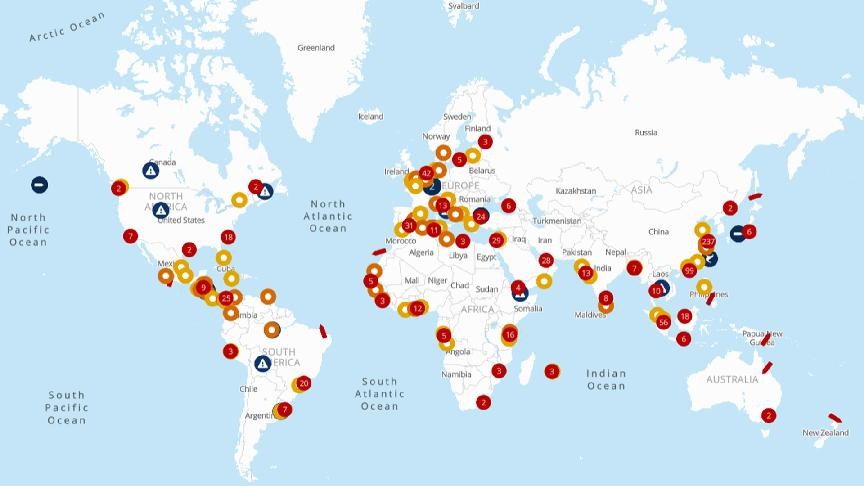
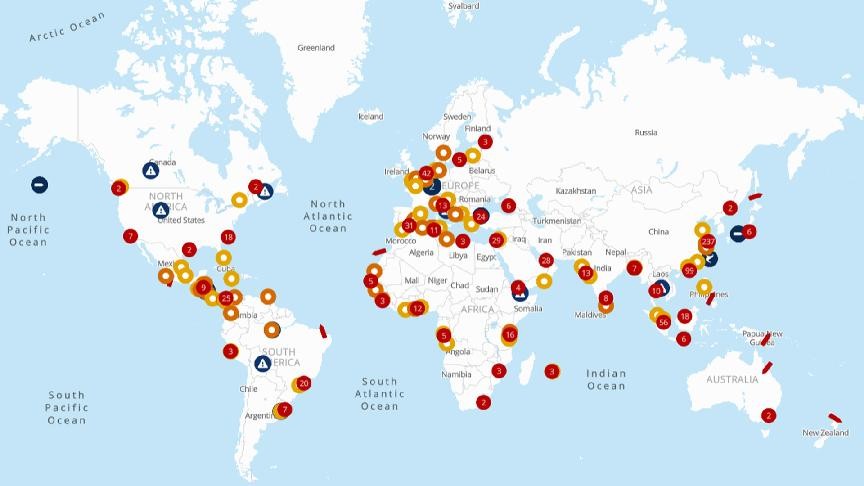
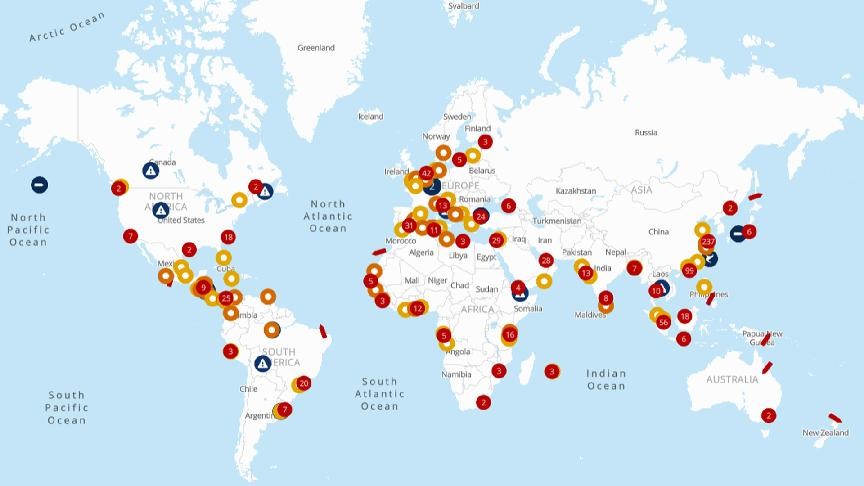
- Find out the latest vessel waiting times and status of ports in Africa, Asia Oceania, Europe, Middle East-Indian Subcontinent, North America, and South and Central America.
Africa
Ghana
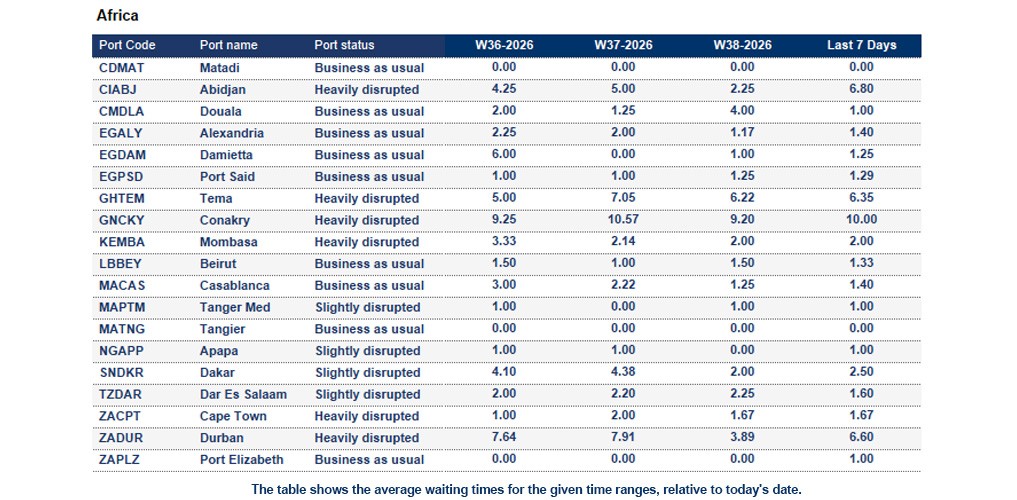
Tema: The 7-day average vessel waiting time is around 6.35 days. Delays of approximately 7 days continue due to periodic congestion, high yard density, trucking shortages and strong cargo demand. Although vessel waiting times have improved slightly, landside constraints remain a key operational challenge.
Guinea
Conakry: The 7-day average vessel waiting time is around 10.0 days. Port congestion remains high due to limited dry, reefer and empty container storage capacity. The 24/7 truck circulation initiative has improved cargo flows, but backlog recovery remains ongoing.
Ivory Coast
Abidjan: The 7-day average vessel waiting time is around 6.8 days. Terminal productivity remains constrained by equipment reliability issues, truck shortages and growing cargo volumes. Delays of around 12 days continue, while schedule reliability remains poor and container dwell times are elevated.
Kenya
Mombasa: The 7-day average vessel waiting time is around 2.0 days. Delays of around 2 days continue due to vessel waiting times, truck shortages, customs bottlenecks, equipment imbalances and infrastructure constraints affecting terminal productivity.
Madagascar
Toamasina: The 7-day average vessel waiting time is around 4.0 days. Congestion remains severe, with delays reaching 20 days. Rapid volume growth, landside bottlenecks and ongoing inland transport constraints between Tamatave and Antananarivo continue to impact overall supply chain performance.
Mozambique
Beira: The 7-day average vessel waiting time is around 11.0 days. Severe congestion persists, with delays of approximately 39 days. Terminal recovery is expected in the coming weeks, while adverse weather conditions continue to create additional operational challenges.
Maputo: The 7-day average vessel waiting time is around 5.5 days. Operations continue under moderate weather-related pressure, with delays of approximately 5 days caused by intermittent wind and rainfall.
Nigeria
Apapa: The 7-day average vessel waiting time is around 1 day. Vessel queues, berth delays and severe road congestion continue to impact cargo evacuation and truck turnaround times. Delays of approximately 4 days are expected, with congestion likely to persist throughout September.
Tincan/Lagos: The 7-day average vessel waiting time is around 1 day. Operations remain under pressure from congestion across the Lagos port area
Senegal
Dakar: The 7-day average vessel waiting time is around 2.5 days. Moderate congestion remains, with vessel waiting times of approximately 2 days. Additional cargo volumes diverted from the Mali corridor continue to place pressure on port operations.
South Africa
Cape Town: The 7-day average vessel waiting time is around 1.67 days. Operations are largely stable despite recent weather-related disruption. Delays range between 0-5 days, with wind conditions affecting productivity earlier in the week. One crane at MPT remains under repair, but overall terminal and CFS operations continue to perform reliably.
Coega: The 7-day average vessel waiting time is around 3.33 days. Operations face intermittent weather-related disruption, with delays of up to 5 days reported. Strong winds and ongoing equipment repairs at NCT continue to impact terminal productivity, although CFS and inland transport services remain on schedule.
Durban: The 7-day average vessel waiting time is around 6.6 days. Operations remain heavily impacted by congestion and recent adverse weather. Delays range from 0-18 days, with severe disruption at DGT due to equipment shortages, high yard density and vessel bunching. Some carriers continue omitting Durban calls and transhipping cargo via alternative ports, while vessel delays of up to 21 days have been reported.
Asia Oceania
China
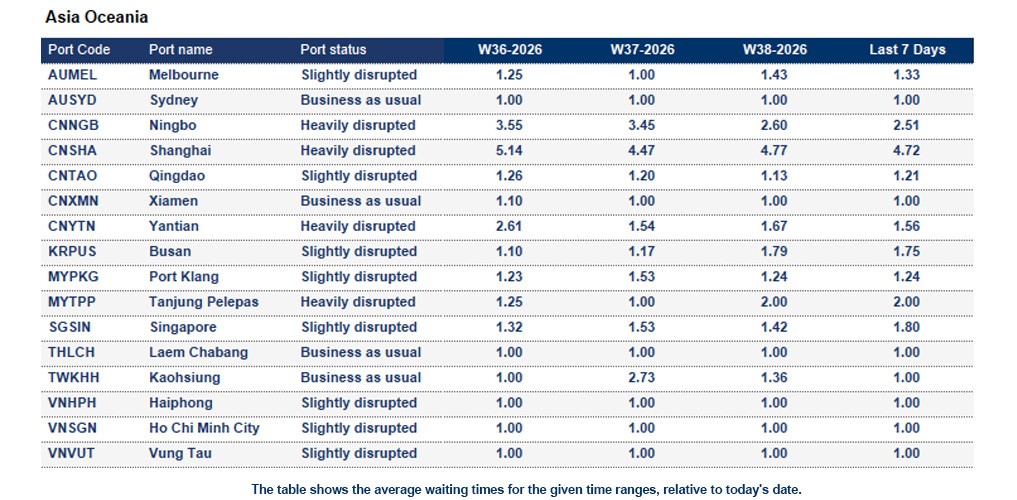
Linerlytica reports that port congestion in China is gradually easing from recent peaks, but the disruptions at Southeast Asia and India/Middle East ports remain at near record highs.
Ningbo: The 7-day average vessel waiting time is around 2.51 days. Yard density remains high across all terminals, with MSICT reporting average vessel waiting times of around 4 days. Dredging works are planned from Weeks 39-40.
Qingdao: The 7-day average vessel waiting time is around 1.21 days. Berth dredging commenced on 15 September and will continue through year-end, while several services have been shifted between terminals to balance capacity and minimise congestion.
Shanghai: The 7-day average vessel waiting time is around 4.72 days. Congestion remains elevated across Yangshan and Waigaoqiao terminals. Waiting times range from 6-8 days, while heavy berth congestion and high yard density continue to impact performance, with limited improvement expected in the short term.
Yantian: The 7-day average vessel waiting time is around 1.56 days.Heavy yard congestion and gate-in restrictions remain in place. Pre-Golden Week cargo demand continues to place pressure on terminal capacity and operations.
Hong Kong
Hong Kong: The 7-day average vessel waiting time is around 1.2 days. Congestion has eased as backlog cargo and vessels are cleared. However, terminal yard utilisation remains high at 80-85%, continuing to affect overall operational efficiency.
Japan
Tokyo: A typhoon hit parts of Tokyo this week, bringing heavy rain and floods. Japanese authorities issued multiple warnings of landslides impacting transport and movement in the region. Read more.
Yokohama: The 7-day average vessel waiting time is around 1 day. Reefer plug utilisation is critically high at 95-100% due to slow cargo collection, placing pressure on terminal operations. Average vessel waiting times exceed 1 day, while plug availability remains limited.
Malaysia
Port Klang: The 7-day average vessel waiting time is around 1.24 days. It is expected to increase to 2-2.5 days next week. Yard density remains high at 90%. Ongoing emergency dredging work until 27 September has reduced deep-water berth availability for larger vessels.
Sandakan: The 7-day average vessel waiting time is around 8 days.
Tanjung Pelepas: The 7-day average vessel waiting time is around 2.0 days. Operations have largely recovered following a cybersecurity incident that temporarily disrupted terminal systems. Manual recovery measures remain in place, while only minor berth congestion persists.
Singapore
Singapore: The 7-day average vessel waiting time is around 1.8 days. Strong carrier demand has increased congestion across PSA terminals, with average vessel waiting times around 2 days. High yard density of approximately 85% is impacting terminal efficiency.
South Korea
Busan: The 7-day average vessel waiting time is around 1.75 days. Berth congestion continues, with vessel delays of 1.5-2 days, expected to increase to 2-3 days in Week 40. Tight reefer plug availability and the upcoming Chuseok-related port closure on 25 September are likely to add further operational pressure.
Europe
Germany
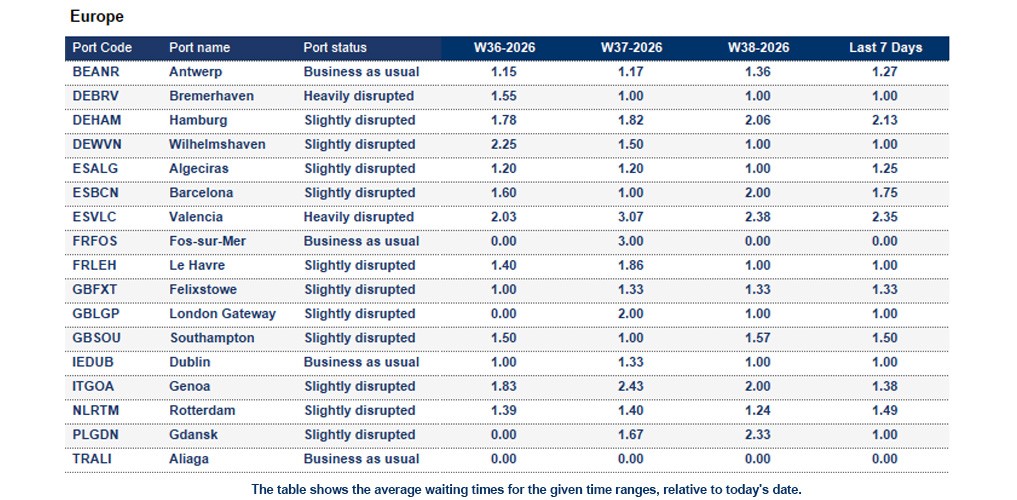
Bremerhaven: The 7-day average vessel waiting time is around 1 day. Hapag-Lloyd reports that yard occupancy is at 90%, with capacity becoming increasingly constrained, particularly for IMO and OOG cargo.
Hamburg: The 7-day average vessel waiting time is around 2.13 days.
- CTA: Hapag-Lloyd reports a yard utilisation of around 70%. The terminal is facing delays due to crane breakdowns, but overall operations are stabilising.
- CTH: High yard utilisation level is reported at 83%, although operations are described as stable.
Wilhelmshaven: The 7-day average vessel waiting time is around 1 day. Yard density increased slightly to 78%, but operations are returning to normal after the latest strike action.
Italy
Genoa: The 7-day average vessel waiting time is around 1.38 days. Delays of approximately 5 days continue as rising import volumes, trucking constraints and limited rail capacity pressure terminal operations. Port terminals announced that operations will be suspended on 28 September due to a nationwide maritime employees' strike. Read more.
La Spezia: The 7-day average vessel waiting time is around 2.17 days. Operations remain largely stable, although delays of approximately 3 days persist due to feeder and transhipment network disruptions.
Trieste: The 7-day average vessel waiting time is around 1 day. Due to strong winds expected in the Adriatic Sea, authorities decided to suspend all operations at the TMT terminal from 07:00 to 19:00 on Thursday, September 10, 2026. Truck gates are expected to reopen at 7:00 on Friday, September 11, 2026. This situation may result in delays and rescheduling of operational activities across the port.
Netherlands
Rotterdam: The 7-day average vessel waiting time is around 1.49 days.
- ECT: Yard occupancy is reported as high this week, reaching 100%. The port reefer plug availability is tight, while barge and feeder delays remain high, reaching 36 hours.
- MVII: Yard occupancy has risen to 90% this week.
Spain
Algeciras: The 7-day average vessel waiting time is around 1.25 days. The port is congested, and transhipment delays occur.
Barcelona: The 7-day average vessel waiting time is around 1.75 days. Operations remain stable with delays of around 2 days, although the port remains exposed to wider Mediterranean network disruptions and feeder reliability challenges.
United Kingdom
London Gateway Port: The 7-day average vessel waiting time is around 1 day. Yard utilisation levels eased this week to 69% for dry cargo and 70% for reefer cargo. The port is, however, facing strong import volumes.
Southampton: The 7-day average vessel waiting time is around 1.5 days. The port is facing high yard densities due to strong import volumes. Vessel berthing is also facing delays due to heavy traffic, pilot availability shortages and crane restrictions.
Indian Subcontinent and the Middle East
Bangladesh
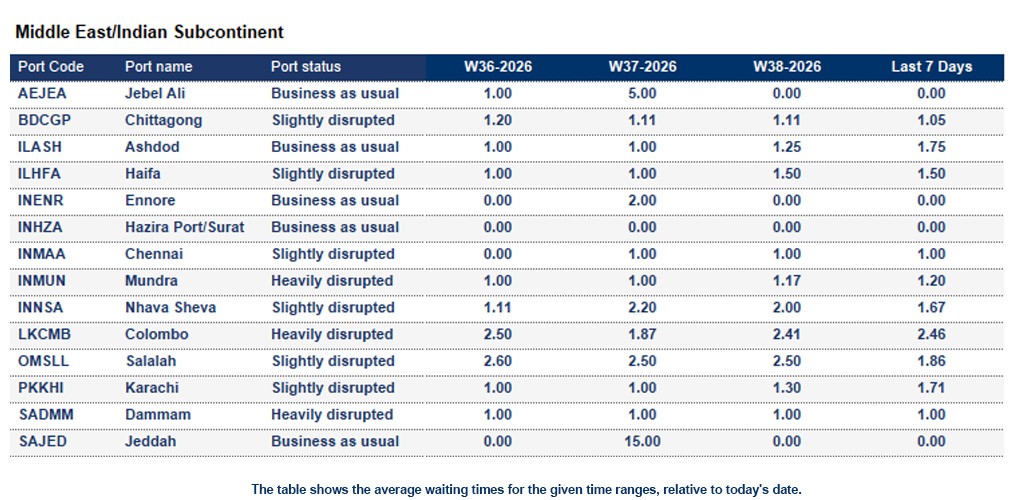
Chittagong (Chattogram): The 7-day average vessel waiting time is around 1.05 days. Operations remain stable, with yard utilisation at 65-70% and average berth waiting times of around 1 day. Productivity remains healthy, and gearless vessels continue to be maintained within a 48-hour port stay window.
India
Chennai: The 7-day average vessel waiting time is around 1 day. Monsoon rainfall affects road transport and terminal productivity. Some terminals continue to experience berth pressure and vessel delays.
Mundra: The 7-day average vessel waiting time is around 1.2 days. Operations have improved following the recent disruption, with delays reduced to approximately 2 days. Congestion indicators show a gradual recovery, although capacity remains tight across the wider Indian market.
Nhava Sheva: The 7-day average vessel waiting time is around 1.67 days. Operations remain relatively stable, with delays of approximately 2 days. Elevated container dwell times, truck congestion and gate delays remain key operational challenges.
Sri Lanka
Colombo: The 7-day average vessel waiting time is around 2.46 days. Increased transhipment volumes continue to pressure terminal capacity, resulting in delays of 0-3 days and periodic berth congestion across multiple terminals.
North America
Canada
Average rail dwell times:
- Halifax: 5 days
- Montreal: 6 days
- Prince Rupert: 6 days
- Saint John: 8 days
- Vancouver: 5 days
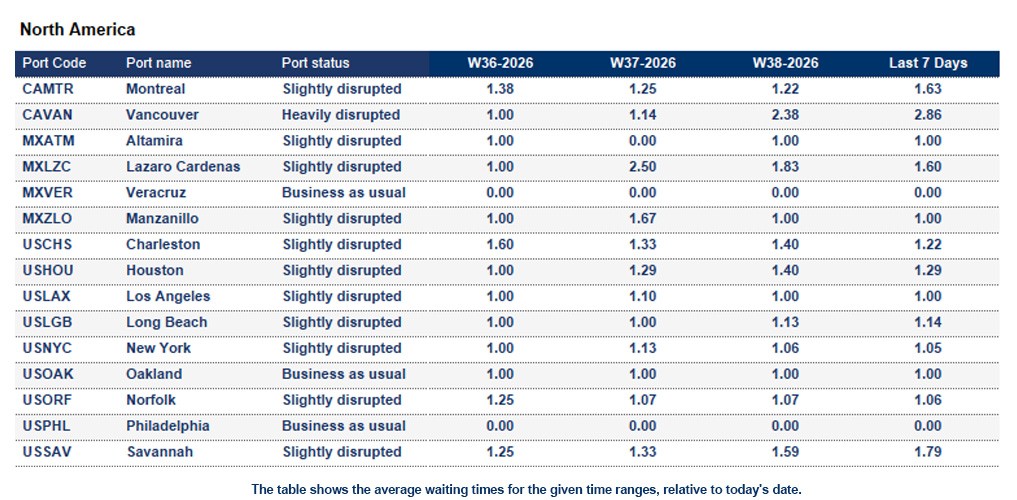
Montreal: The 7-day average vessel waiting time is around 1.63 days. The average rail dwell time is around 7 days. Operations remain stable, with delays limited to approximately 1 day and no major operational disruptions reported.
Vancouver: The 7-day average vessel waiting time is around 2.86 days. Port performance remains stable, although delays of around 4 days continue. Rail network reliability remains a critical factor for cargo flows.
United States
Average rail dwell times:
- Halifax - 2 days
- Montreal - 6 days
- Prince Rupert - 5 days
- Saint-John - 8 days
- Charleston - 3 days
- Newark - 3 days
- Wilmington - 8 days
- Los Angeles - 8 days
- Long Beach - 9 days
- New York - 4 days
- Norfolk - 3 days
- Philadelphia - 2 days
- Savannah - 2 days
- Seattle - 5 days
- Tacoma - 4 days
Los Angeles: The 7-day average vessel waiting time is around 1 day. Delays remain around 2 days. Chassis availability, terminal turnaround times and inland rail fluidity continue to be closely monitored.
New York: The 7-day average vessel waiting time is around 1.05 days. High terminal utilisation, vessel bunching and truck congestion continue to impact operations.
Savannah: The 7-day average vessel waiting time is around 1.79 days. Elevated berth demand continues to generate delays of approximately 2 days, while vessel bunching is placing additional pressure on drayage and trucking capacity.
Central and South America
Brazil
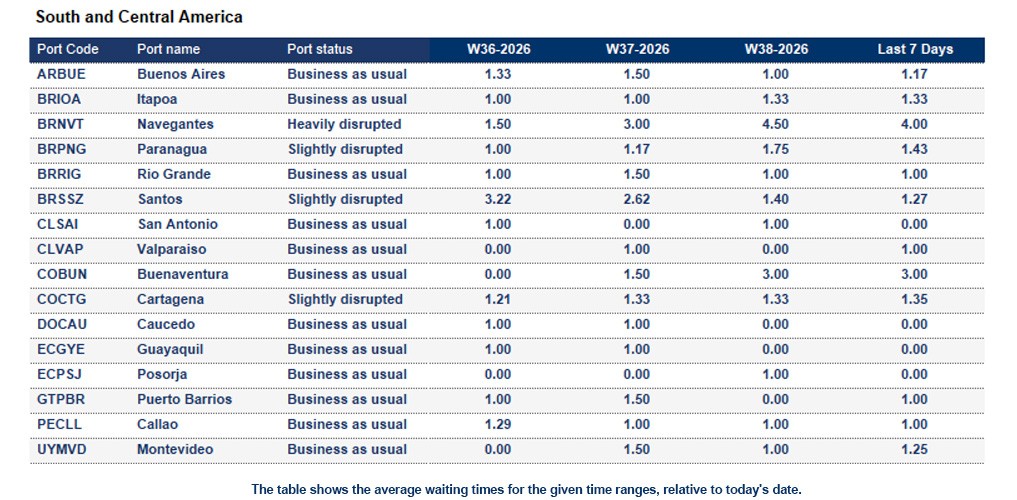
Itajai: The 7-day average vessel waiting time is around 3.0 days. Operations at Berth 1 (JBS) are being impacted by adverse weather conditions. Berth productivity remains at a critical level despite average dwell times staying below target. Productivity declined by 5.4% week-on-week, with overall performance continuing to show a strong downward trend.
Manaus: River conditions in the Amazon region indicate that the dry season is likely to begin in October (week41), which entails navigation restrictions impacting cargo movement around the Port of Manaus. Maersk expects operational impact occurring between weeks 43 and 47, and capacity restrictions between weeks 48 and 52 (December).
Navegantes: The 7-day average vessel waiting time is around 4.0 days. Yard utilisation is at 78%, reports Hapag-Lloyd. Vessel waiting times exceed 24 hours. The Portnave terminal is carrying out civil works to receive larger vessels.
Uruguay
Montevideo: The Single Port Union and Related Branches (Supra) scheduled a 24-hour national port strike in Uruguay from September 21-22, 2026, in response to a labour dispute at the Cuenca del Plata Terminal, with activities planned at port facilities in Nueva Palmira and Montevideo.
Stay Ahead, Stay Informed: Register for seaexplorer for the latest disruptions and vessel waiting times at global container ports.