
On Monday, 21 September, typhoon Dujuan brought heavy rain and strong winds to Tokyo and surrounding areas, leading to extensive disruption across eastern Japan.
The storm caused the cancellation of nearly 500 flights and suspended train services in the region.
Japanese authorities issued emergency warnings due to the risk of flooding and landslides for Oshima and the Izu Islands south of Tokyo. Warnings were also issued for Tokyo’s Meguro ward and central Tokyo.
According to Japan Times, four people had been confirmed dead by Tuesday morning, 22 September, and at least six others were reported missing following landslides, flooding and transport disruptions linked to the typhoon.
The Japan Meteorological Agency issued its highest-level landslide special warning for parts of the country and recorded 832 millimetres of rainfall, the highest amount on record.
Authorities warn that landslides could continue even after rainfall, urging residents to remain alert to landslide risks, flooding in low-lying areas, and rising or overflowing rivers.
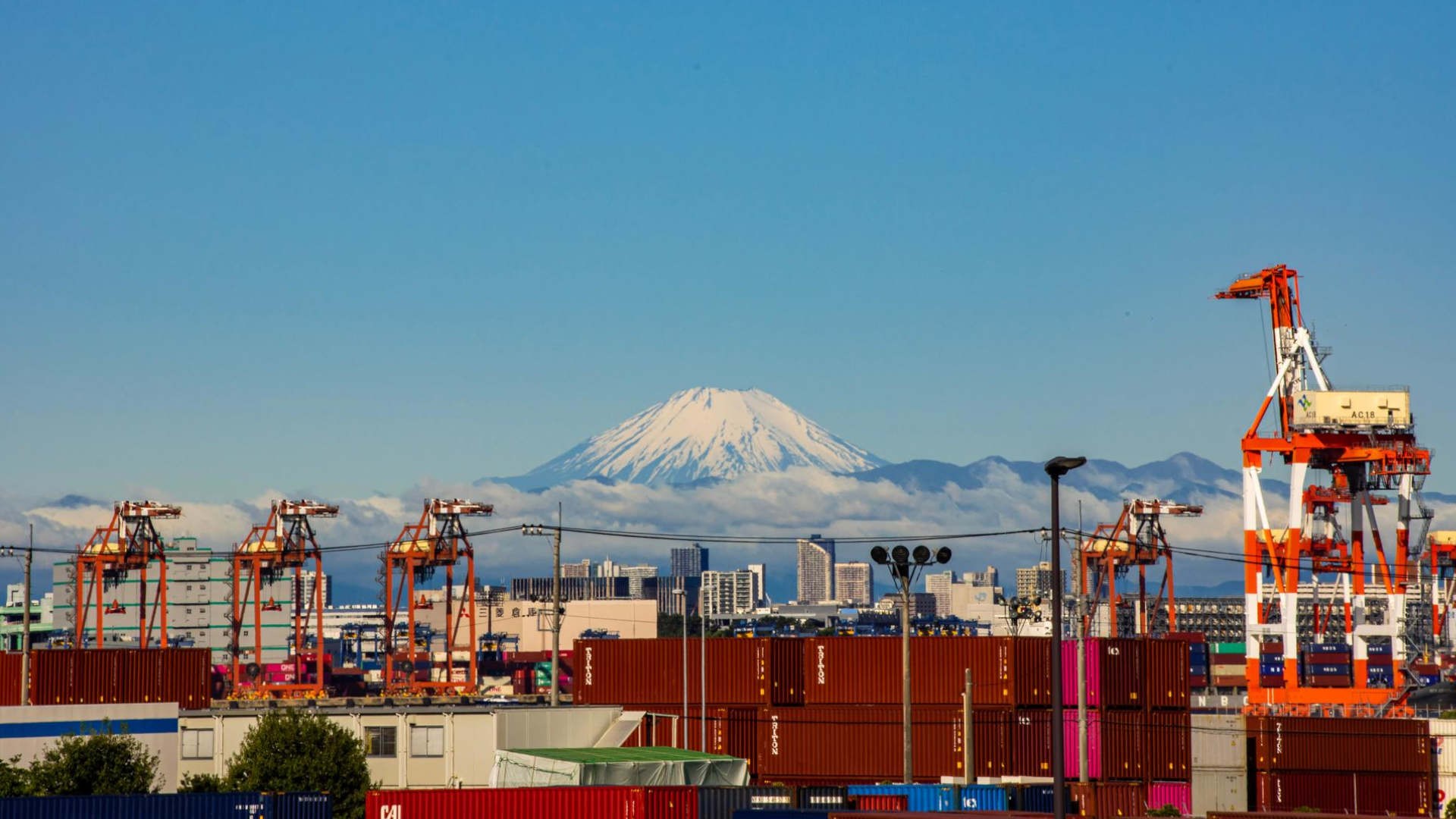
The typhoon continued to affect infrastructure and transport services on Tuesday, causing power outages and rail disruptions. Impact on the port of Tokyo is also expected until weather conditions improve.
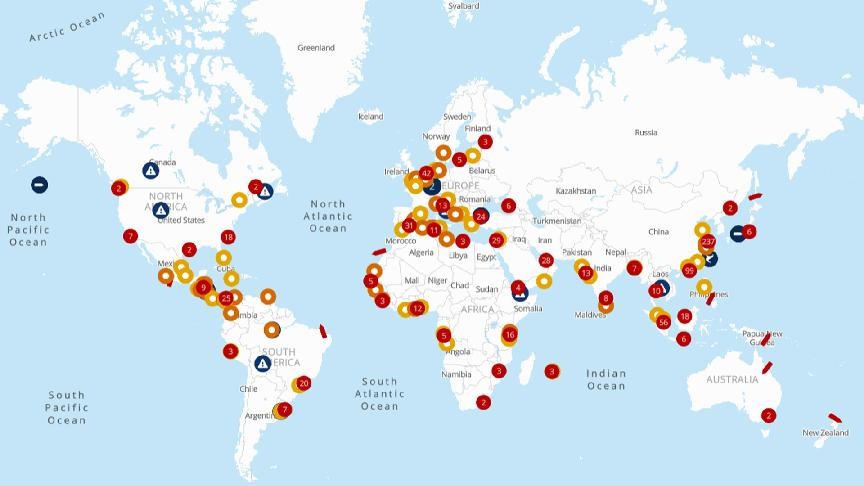
For the latest port and vessel statuses or situation updates, please refer to the seaexplorer alert map.