
CHINA’S latest round of high-tempo activity around Taiwan is sharpening operational risk for commercial shipping, with industry attention focused less on the politics of competing claims than on the practical consequences of a crowded, fast-moving maritime environment.
In analysis, security consultancy Ambrey characterised Beijing’s drill this week as following an established pattern of "coercion through controllable disruption"—operations calibrated to increase costs, test reactions, and create uncertainty while leaving room to step back or repeat the demonstration later.
A key feature, Ambrey noted, is the limited apparent ramp-up. When activity begins at high tempo and includes live-firing, there is less time for crews, agents and companies to absorb notices, confirm details and adjust voyage plans.
The effect is both political and operational, compressing decision-making and increasing uncertainty for ship operators.
"The more credible near-term risks to shipping are incidental: temporary restrictions, dense traffic, communication friction, and schedule disruptions," Ambrey noted. "The strategic implication is longer-term: repeated drill cycles with blockade messaging can create a persistent uncertainty premium for operators in the Taiwan-adjacent operating environment."
Alongside the drill, Ambrey highlighted a parallel “grey-zone” dimension: China Coast Guard “law enforcement” patrols around sensitive waters and offshore islands, which can add another channel for pressure and jurisdictional signalling.
Even if merchant vessels are not the intended targets, the presence of law-enforcement assets can increase scrutiny and the likelihood of interaction in already sensitive waters.
That messaging has been amplified by official graphics circulating on Chinese state-linked channels.
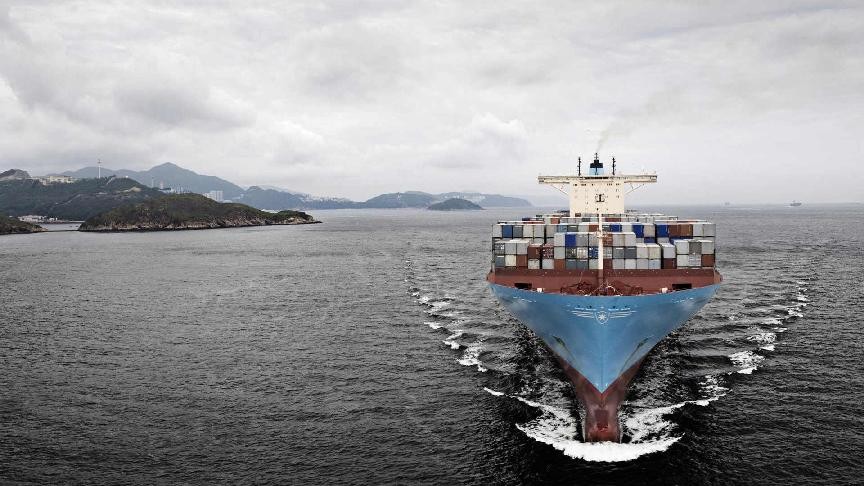
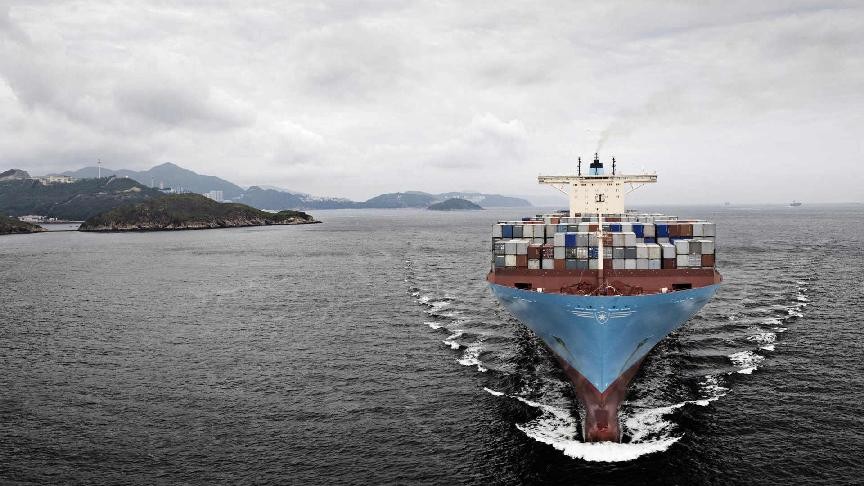
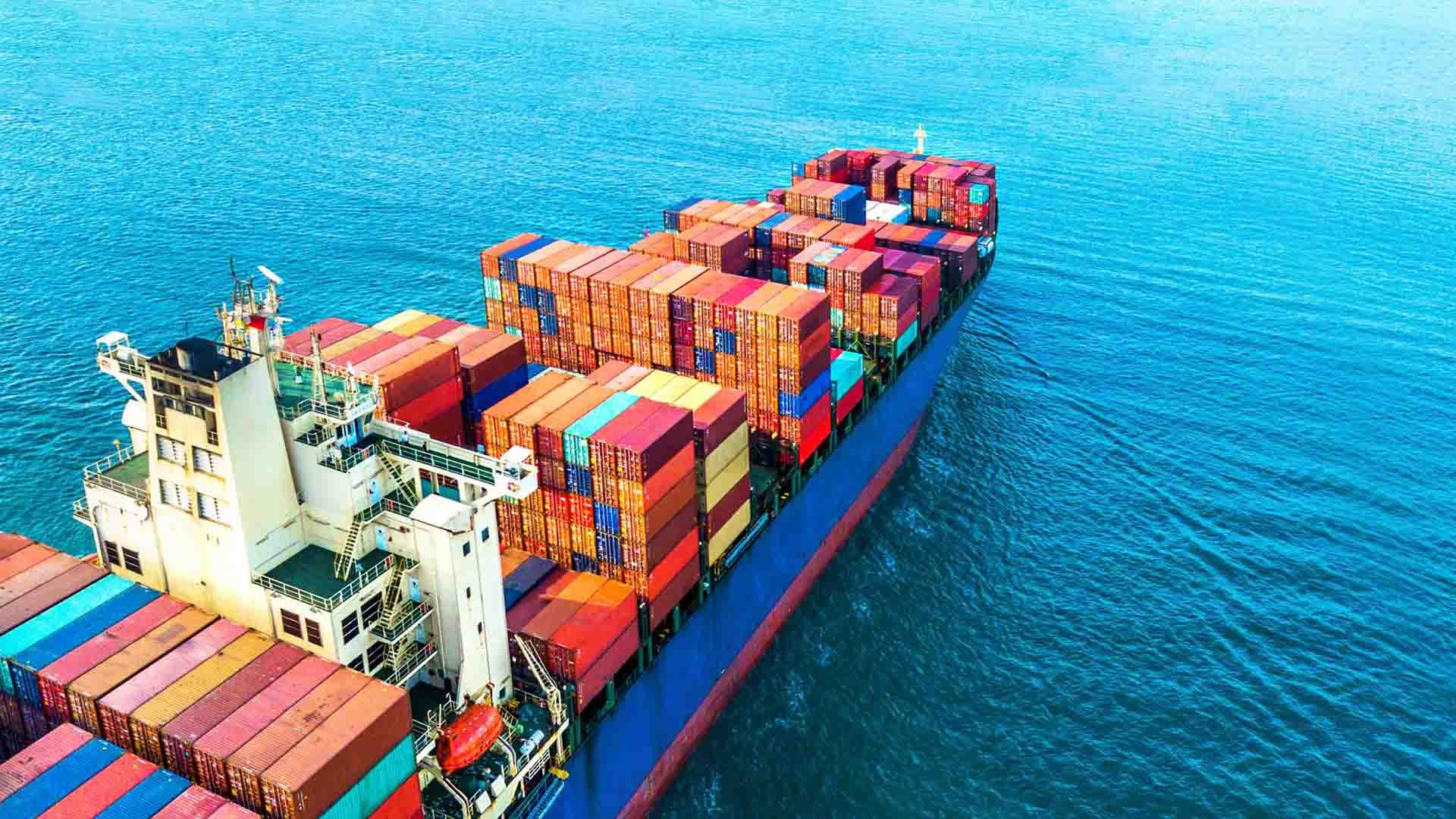
One poster published by the China Coast Guard depicts a container ship bearing Evergreen branding alongside helicopters and coast guard vessels, implying an interception scenario and linking commercial shipping imagery with military-related cargo.
It was not immediately clear whether any of the carrier’s operated or chartered vessels had been hailed, delayed or otherwise interacted with the coast guard. Evergreen has been approached for comments.
Ambrey said Taiwan has also announced rapid-response measures and elevated readiness in response to the drill—moves that do not automatically indicate escalation, but can increase the number of active units and the frequency of interactions in a confined maritime space, raising the risk of miscalculation.
Ambrey assessed that major drill cycles remain primarily coercive signalling and rehearsal rather than indicators of imminent invasion. However, repeated exercises that incorporate blockade-style themes and enforcement activity can show “options short of invasion” that still impose costs and uncertainty.
For vessels transiting the Taiwan Strait or calling at Taiwan ports, Ambrey recommends maintaining routing flexibility, avoiding designated live-fire areas, and considering alternative routes if strait conditions deteriorate.
The consultancy further advised ship operators to stay alert for any widening of the drill’s scope. While the announced activities are framed as military exercises, it said any shift in objectives—such as visit, board, search and seizure actions—would be a meaningful change for commercial shipping.
“Expect disruption and elevated navigation risk, not deliberate targeting,” it said. “Avoid declared danger areas and be ready to time-shift or re-route (including via Luzon/Bashi) if the Strait picture deteriorates.