
Global container shipping remains under pressure from a mix of strong cargo demand, constrained landside infrastructure, geopolitical risk and rising operational costs.
While Vincent Clerc, Chief Executive Officer of Maersk, argues that ports and inland networks have become the decisive bottleneck in the market, several analysts believe the Red Sea and wider Middle East disruption remain the key variables shaping rates and capacity.
What is causing the disruption?
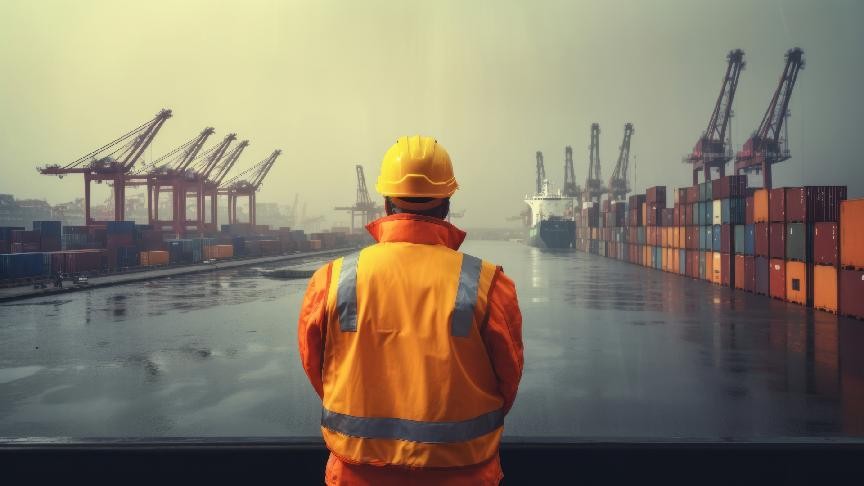
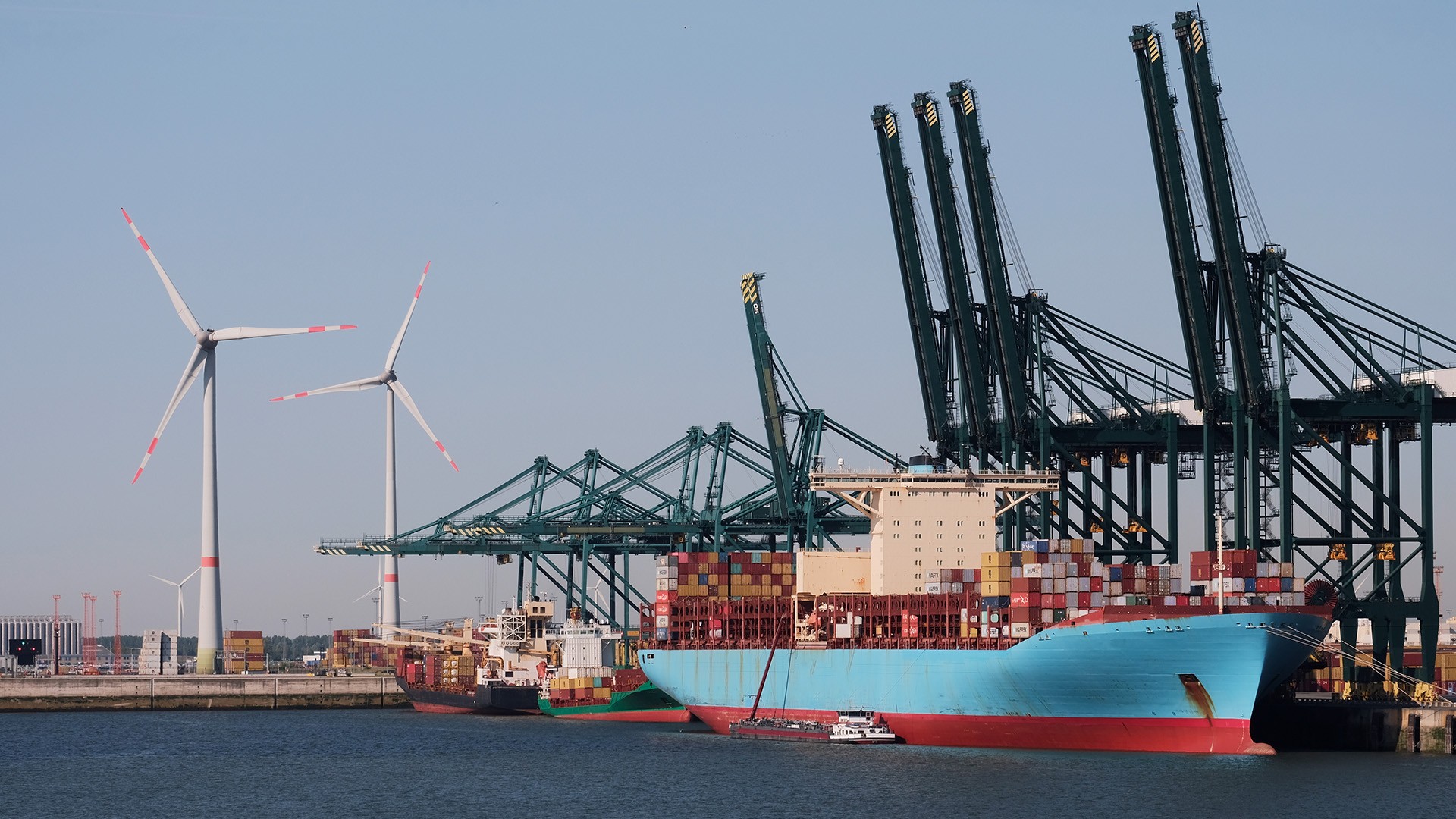
The current disruption is being driven by several overlapping factors. Strong export demand from Asia, especially China, is putting renewed pressure on global container flows. At the same time, terminals, trucking, rail and other landside infrastructure are struggling to absorb higher and more imbalanced volumes after years of underinvestment. This is creating congestion in major gateways in regions such as Northern Europe, China, Brazil, West Africa and India.
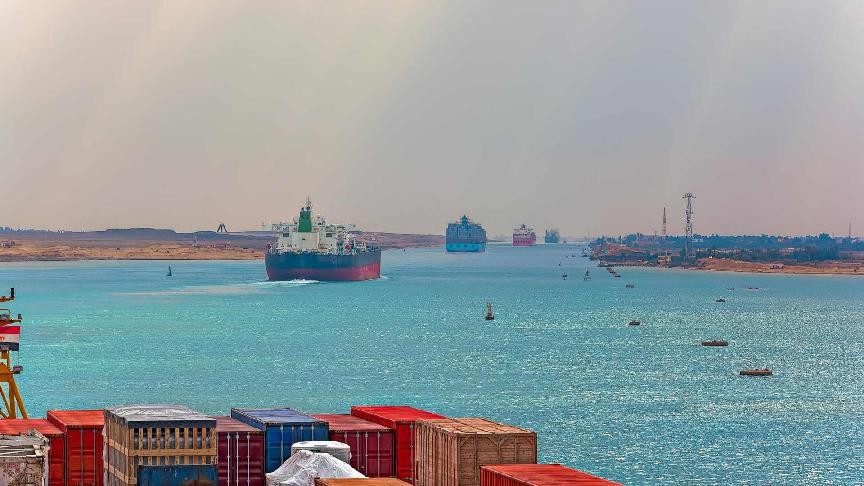
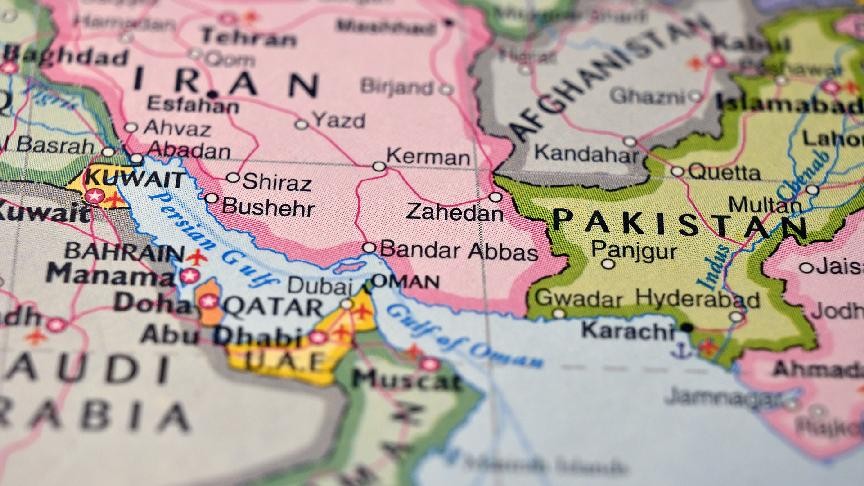
Geopolitical uncertainty adds another layer of complexity. The Red Sea and Bab el-Mandeb remain exposed to renewed Houthi attacks, while the unresolved situation around the Strait of Hormuz has raised bunker costs and made Cape of Good Hope diversions more expensive. Carriers are therefore weighing security risks against the rising cost of avoiding the Suez route.
At the same time, returning to the Red Sea is becoming commercially attractive despite the threat of Houthi attacks. Higher bunker prices linked to the unresolved Strait of Hormuz situation have made the long diversion around the Cape of Good Hope significantly more expensive.
Combined with persistent port congestion and tighter network planning, carriers have a stronger incentive to shorten voyages via the Suez route, even though higher insurance premiums and security risks remain.
How is the market affected?
The impact is visible in reduced schedule reliability, more volatile capacity planning and higher freight rates. Port congestion ties up vessels and containers, effectively removing usable capacity from the market even as new ships enter service.
The Anchorage Congestion Indicator in seaexplorer shows that 4.55% of global container vessel capacity is currently waiting outside the 45 ports included in the indicator. This corresponds to approximately 1.85 million TEU.
For shippers, this means longer lead times and greater uncertainty in procurement and routing decisions.
Clerc’s view: bottlenecks are the new normal
Vincent Clerc sees the current disruption primarily as a structural landside capacity problem. In his view, the main constraint is no longer vessel supply, but the inability of ports and inland networks to handle rising volumes efficiently. He has argued that terminal and landside capacity cannot be expanded quickly, meaning bottlenecks are likely to appear more frequently and keep freight rates more volatile.
Clerc compares the situation to the COVID-19 period, though he stresses it is not as severe. His key point is that when vessels queue outside ports, additional fleet capacity does not immediately solve the problem. If demand from China remains strong, congestion can continue to support higher rates.
Analysts’ view: Red Sea remains the decisive factor
Market analysts take a more cautious view. Peter Sand of Xeneta argues that port congestion alone is not enough to keep rates elevated for a longer period, pointing instead to the Red Sea as the most important factor. Lars Jensen of Vespucci also sees today’s port pressure as temporary rather than structural, arguing that a normalisation of Red Sea routings would release capacity currently absorbed by diversions.
Analysts also point to the large container vessel order book as a counterweight to Clerc’s argument. If Red Sea traffic normalises and more new tonnage enters service, the market could quickly shift back toward overcapacity. In this view, today’s high rates are less a new long-term floor and more the result of temporary disruption, geopolitical risk and carrier capacity management.