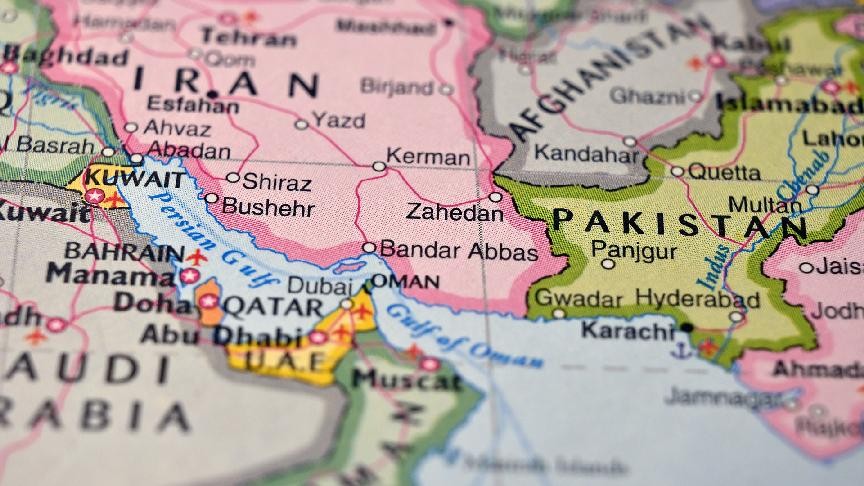

The Strait of Hormuz conflict has seen renewed diplomatic activity during the UN General Assembly, signalling some hope towards a resolution.
The development came in the form of a new seven-day proposal presented by Iran to the United States through mediators. According to media reports, the proposal paves the way towards the reopening of the strait and restarts negotiations on a broader settlement.
At the same time, a joint statement was issued by around 80 countries calling for the urgent reopening of the waterway, while condemning the threat against international trade and energy security.
A positive development could bring significant relief to the strained supply chain in the Gulf caused by the prolonged closure, pushing affected states to adapt.
Abu Dhabi sustains container connections
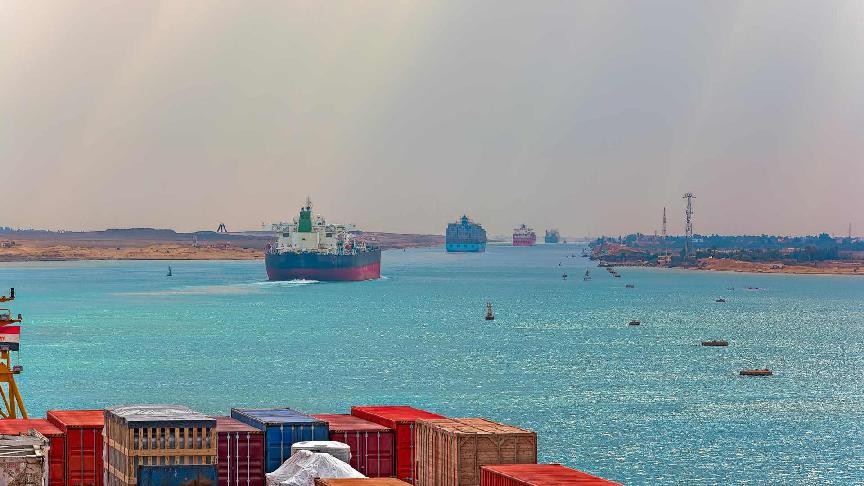
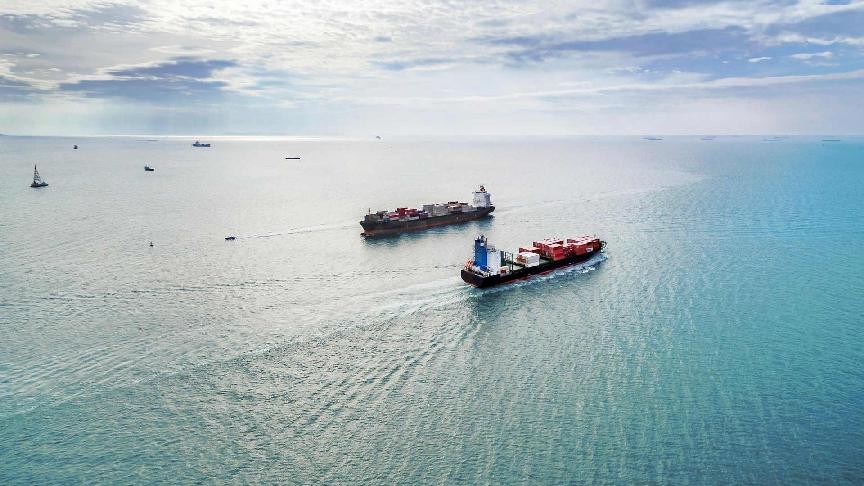
While most liner operators continue to avoid direct exposure to the conflict zone, observers witnessed a slight increase in container traffic in the region, with Abu Dhabi as a key facilitator.
According to Lloyd's List, recent increases in containership transits have been driven almost entirely by vessels connected to AD Ports Group feeder services rather than a wider return of mainstream liner operations.
While transit volumes have rebounded from the lows experienced during the crisis, they remain significantly below pre-conflict levels. Traffic is largely concentrated among a small group of carriers that continue to operate regular services through the strait.
Supply chains adapted to prolonged disruption
What began as a temporary measure to maintain Gulf connectivity is increasingly resembling a structured shuttle network, says Lloyd's List.
"Major liner operators have largely withdrawn from Hormuz, restructuring services around alternative gateways such as Jeddah and Khor Fakkan, while relying on feeder networks and inland transport corridors to reach Gulf markets. Cargo continues to move, but at a price," writes the media in a report.
According to Richard Meade, Editor-in-Chief of Lloyd’s List, the development of a container shuttle network may be more significant than diplomatic initiatives.
He argues it reflects a commercial recognition that security conditions may not improve quickly enough to justify waiting for a full return to normal operations. Cargo owners continue to require access to Gulf markets, leading operators to redesign supply chains around ongoing disruption rather than an immediate resolution.
Security measures expand in the Red Sea
Alongside developments in Hormuz, security concerns continue to evolve in the Red Sea region.
French President Emmanuel Macron said France will deploy troops to the Saudi port of Yanbu, a major hub for oil exports, to help protect against Houthi attacks. He stated that French forces would not participate in combat operations.
The announcement follows similar actions by the UK and Greece and comes amid heightened confrontation between the Houthis and Saudi Arabia.
Earlier this month, the Houthis consolidated their territorial control by capturing the last stretch of Yemen’s Red Sea coastline that had remained outside their authority, along with several strategically important islands. These gains have further reinforced their influence over the Bab al-Mandeb Strait.
The Houthis imposed a blockade on Saudi shipping in July, but it remains unclear whether increased French and British support for Riyadh will affect the group's treatment of non-Saudi vessels transiting the Red Sea.