
The dynamic situation in the Middle East is pushing cargo flow across the region to adjust and logistics networks are showing signs of realignment.
The past few months show that UAE's ports of Khor Fakkan and Fujairah have particularly received the shift of cargo, creating a level of congestion across the country's corridors. These ports have become the main pressure points in the region.
Carrier haulage solutions offered by some carriers provide an alternative routing option. Through Fujairah and Khor Fakkan, transit times vary by destination, while final-mile delivery and corridor connectivity remain under the control of UAE government-affiliated logistics providers.
However, as congestion in the Port of Jeddah decreases, Kuehne+Nagel expects cargo flows to redistribute towards alternative gateways, including Jeddah, Aqaba, and Salalah.
The movement of special cargo could still face delays and periodic routing changes as carriers and logistics providers rebalance cargo across available gateways.
UAE-Saudi Arabia cross-border cargo, especially those moving via Jeddah and King Abdullah Port under merchant haulage arrangements, is currently subject to extended lead times, with performance dependent on terminal operations and border-crossing efficiency.
Supply chain ripple effects persist across regional networks
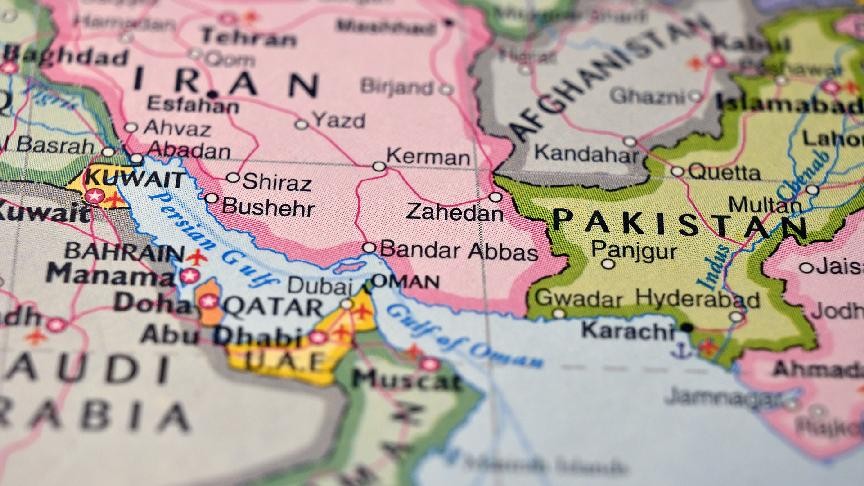
Container shipping movements in the Strait of Hormuz have been sporadic and mainly operated by regional feeder operators but structured carrier networks remain unavailable.
Cargo bound for Arab Gulf ports may transit through the corridor depending on carrier deployment and space availability, with routing decisions continuing to vary by carrier and individual shipment.
In contrast, Red Sea transits are showing a stronger activity.
Kuehne+Nagel observes that most major carriers continue to operate through the route without significant service disruptions, and no material operational changes have been observed during the reporting period.
That said, the situation in the Middle East continues to send a ripple effect affecting transhipment hubs in India, Sri Lanka and Oman.
Cargo moving through these locations before connecting to UAE ports is experiencing longer dwell times, resulting in extended transit times before reaching key regional gateways.
Continued congestion and lead-time volatility expected
Looking ahead, Kuehne+Nagel expects Khor Fakkan and Fujairah to remain under significant pressure in the coming weeks.
Additional restrictions affecting special cargo and foreign transit cargo cannot be ruled out.
Cargo volumes are expected to gradually shift towards Jeddah, Aqaba, Salalah and emerging Levant corridor solutions, while lead-time volatility is expected across Middle East supply chains.
Customers are advised to plan for further routing adjustments and additional transit buffers.