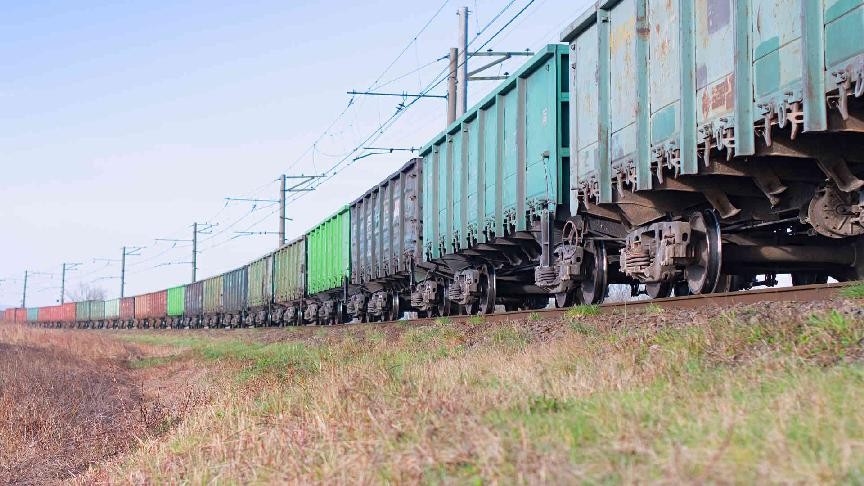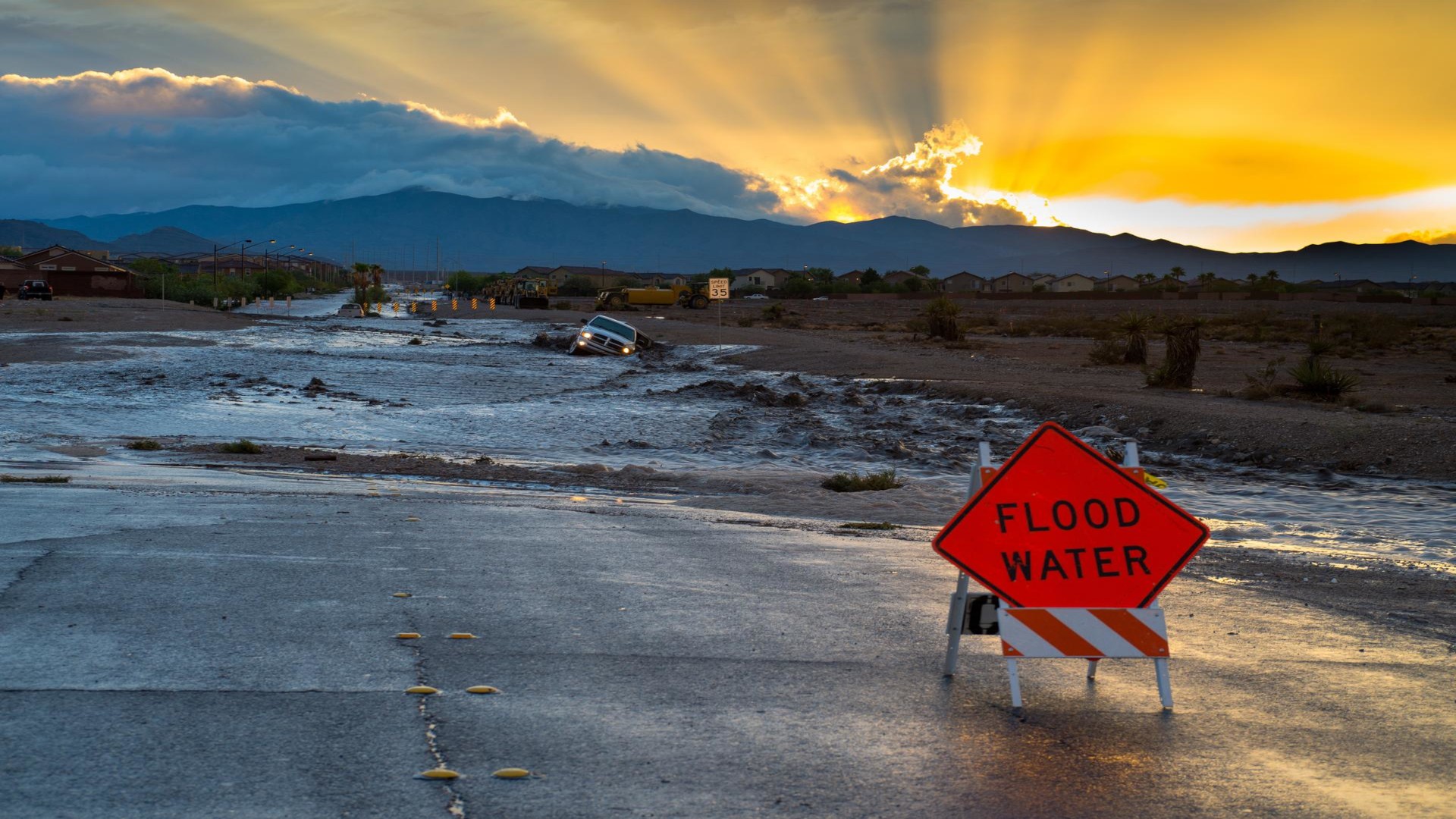

Severe flooding beginning on October 24 damaged railroad infrastructure along BNSF Railway’s Southern Transcon corridor in New Mexico, disrupting a key freight route between Southern California and the Midwest. The disruption affected more than 150 trains across BNSF’s system, according to an October 27 report from the Journal of Commerce, creating potential delays for intermodal cargo arriving through the ports of Los Angeles and Long Beach.
Following the initial flooding on October 24 and 25 and a further storm the following weekend, BNSF reported that full double-track operations had resumed on Tuesday. Engineering teams reinforced affected stretches with rock and concrete protection against further flooding. During this work, single-track operations and reduced train speeds constrained freight movements.
However, reopening the corridor does not mean an immediate return to normal service. BNSF is regulating the flow of trains towards inland terminals and Southern California port facilities to avoid overwhelming destination capacity. According to the Journal of Commerce, BNSF’s group vice president of consumer products, Jon Gabriel, indicated that recovery could take one full equipment cycle, with shippers facing at least another week of delays at the time of the report.
The impact is visible in rail transit data. Figures published by the Journal of Commerce show that average BNSF transit times from Los Angeles to Chicago increased from 5.34 days on October 26 to 7.16 days on November 2. Average transit times from Los Angeles to Dallas rose from 4.39 days to 6.3 days over the same period.
To support recovery, BNSF is bringing in additional train crews from lower-volume regions and deploying terminal personnel to key locations. The railroad is also using third-party drayage support to help move containers through the network. Chicago, Dallas-Fort Worth, Kansas City and Memphis remain potential congestion points as delayed volumes reach inland terminals.
Both domestic and international intermodal shipments may therefore experience longer West Coast dwell times while the backlog clears. Irregular arrivals at inland hubs could also put pressure on drayage and marine chassis availability, extending the effects of the disruption beyond the repaired rail corridor.