
Shipping’s expanding orderbook points to a larger and increasingly sophisticated fleet. Yet vessel deliveries alone will not determine how much capacity the industry can deploy effectively.
Two potential constraints are coming into focus: the availability of qualified crews and access to the fuels that new ships are designed to use. Two reports published by Splash 24/7 highlight how investment in vessels risks outpacing the workforce and infrastructure needed to support them.
More vessels, greater demand for skilled crews
Newbuildings are entering a market in which some owners are also keeping existing ships in service for longer.
Where deliveries expand rather than replace the operating fleet, demand for seafarers increases.
At the same time, more complex propulsion systems, alternative fuels and onboard technology place additional demands on training and experience.
The crew commentary published by Splash 24/7 points to BIMCO/ICS workforce projections warning of shortages of officers qualified under the International Convention on Standards of Training, Certification and Watchkeeping for Seafarers (STCW).
Its central concern is not simply recruitment, but retention. Time away from home, limited career development and demanding operating conditions can make it harder to keep experienced personnel at sea.
Recruiting additional seafarers will therefore need to be accompanied by sustained investment in training, career progression and crew continuity.
Fuel-capable ships need fuel-ready ports
The second potential bottleneck lies between alternative-fuel vessel orders and shoreside readiness.
According to Splash’s coverage of Lloyd’s Register’s Fuel for Thought: Ports report, 1,942 alternative-fuel-capable ships were on order at the start of 2026, accounting for 47% of global orderbook tonnage. These figures describe the alternative-fuel segment, rather than establish a record for the overall orderbook.
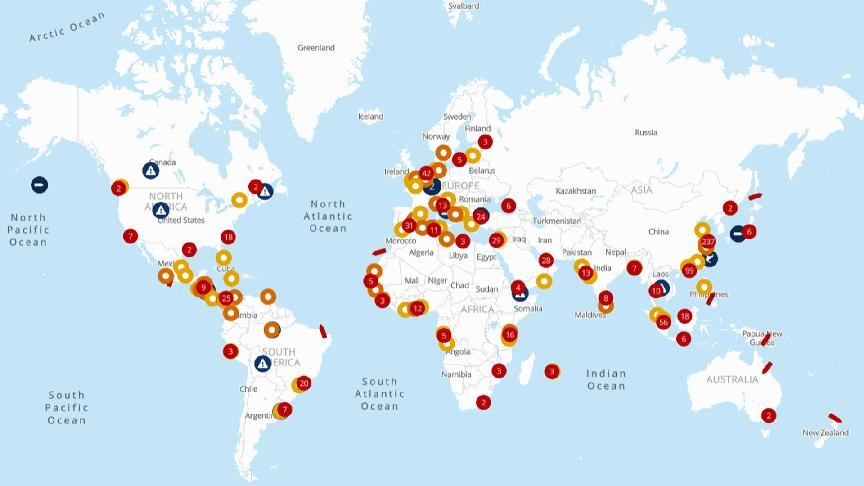
However, the reported bunkering network remained uneven. LNG was available at 222 ports and methanol at 25, while commercial ammonia bunkering had been recorded at only one port by the report’s September research cut-off. That compared with 385 methanol-capable and 45 ammonia-capable vessels on order.
The source also describes subsequent ammonia bunkering milestones in China and Australia, showing that the network is developing, although broad availability remains limited. Fuel production is another constraint. Lloyd’s Register cites 61.8 million tonnes of announced low-carbon methanol production capacity, but expects only 6 million to 12 million tonnes of renewable capacity to become operational by the end of 2031.
Announced projects therefore should not be equated with fuel already available to shipping. Nor does the ability to supply an alternative fuel necessarily establish that its production pathway is low-carbon.
Delivering fuel to the vessel also requires specialised bunker vessels, licences, emergency arrangements and suitable berths. These investments may be needed before local demand is sufficient to support them commercially.
With activity concentrated in Northern Europe, North Asia and Singapore, the emerging network could give some routes greater access to alternative fuels than others. The reported price premium for green methanol and ammonia, two to three times the cost of conventional marine fuels, adds a further commercial hurdle.
Fleet growth is only part of the capacity equation
These developments do not mean that new ships will necessarily remain idle, or that alternative-fuel infrastructure gaps will translate directly into lost transport capacity.
They do underline the distinction between delivering a vessel and realising its operational and environmental potential.
Crew shortages could constrain deployment, while limited fuel availability could complicate bunkering plans and delay the intended use of alternative fuels.
The implication is that orderbook growth alone is an incomplete guide to future service capacity and lower-emission transport options. Shipping’s next phase of expansion will depend not only on shipyard output, but also on retaining and preparing seafarers, bringing fuel production online and building reliable bunkering networks.
The ships may be ordered; the people and fuel needed to operate them must be ready too.