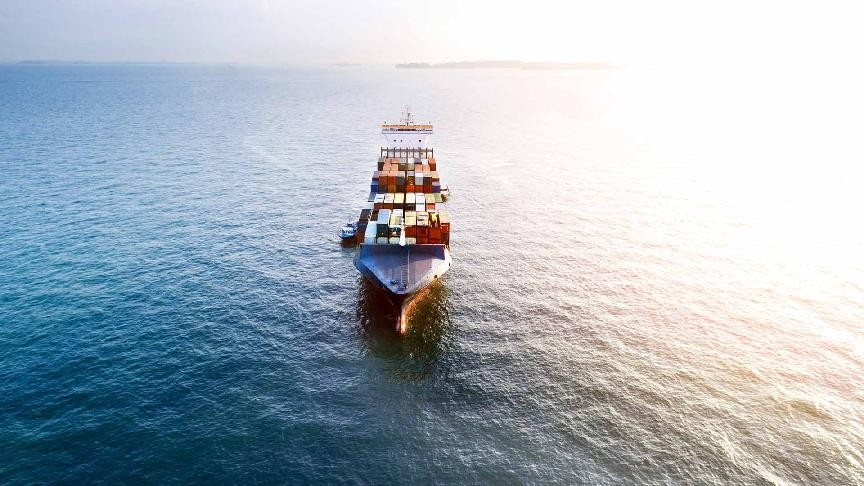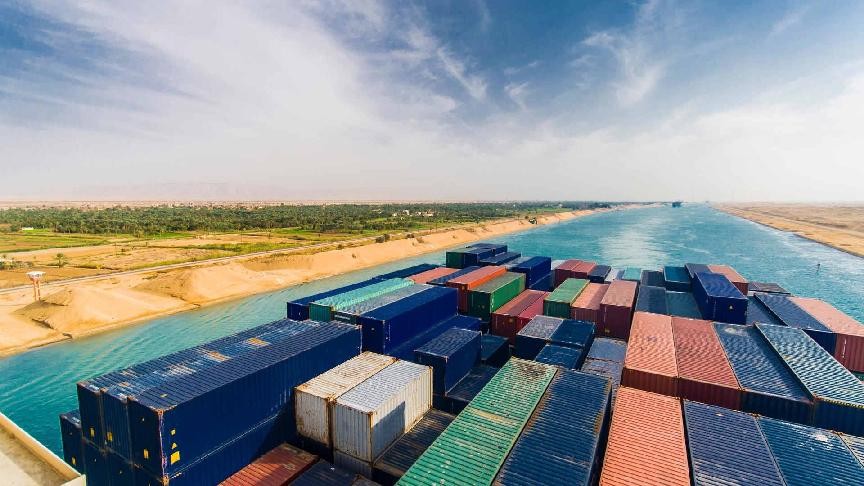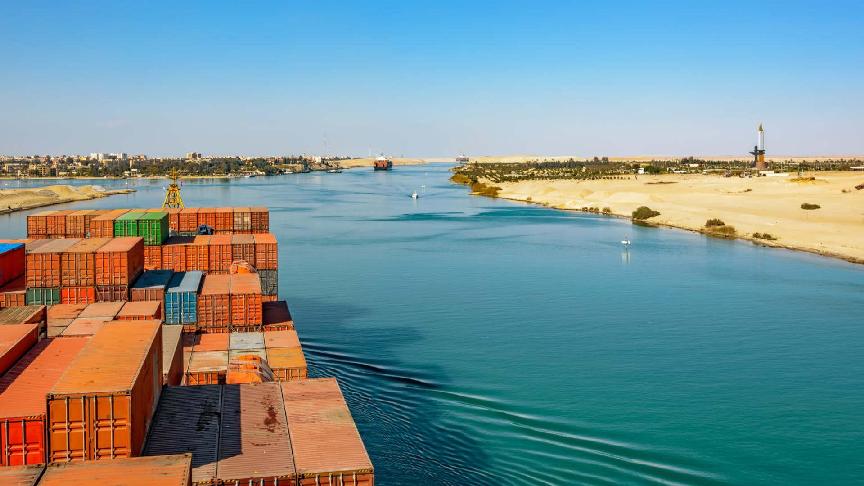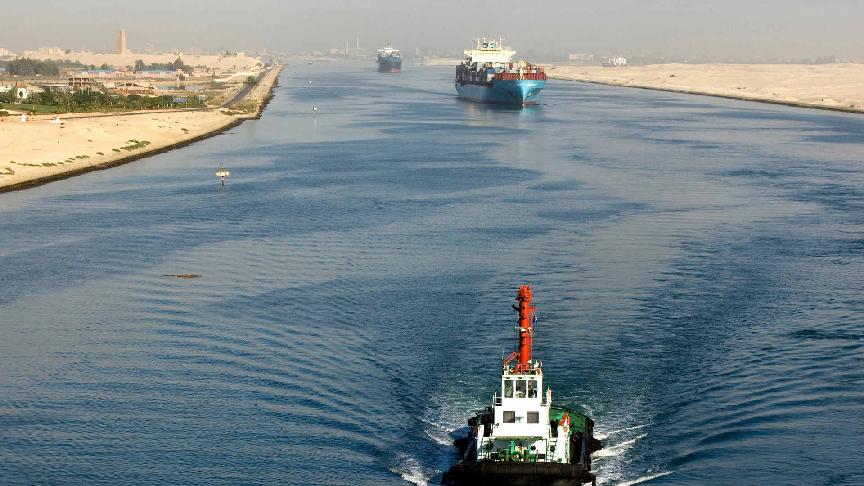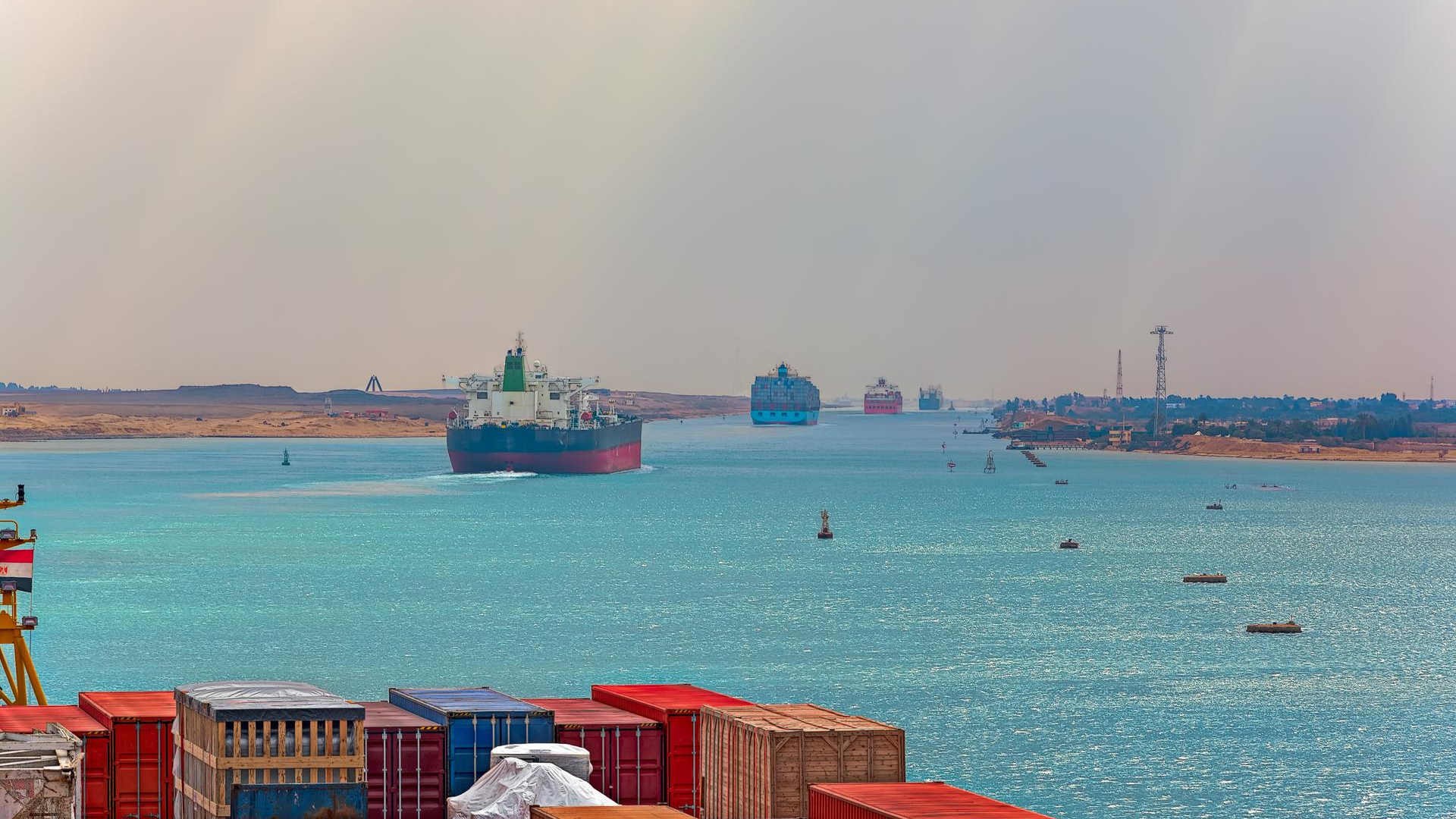

After nearly three years of disruption in the Red Sea and Suez Canal, Maersk is signalling growing confidence that one of global shipping’s most important trade corridors could be fully operational again by 2026.
Speaking during the release of Maersk’s second-quarter 2026 results, CEO Vincent Clerc delivered the company’s clearest indication yet that a full return to Suez Canal transits is within reach.
I believe that the conditions for a full return by 2026 are now in place. Unless something changes, the conditions are in place.
CEO at Maersk
Clerc stressed that Maersk’s assessment is based on continuous security evaluations and intelligence gathered from relevant authorities. While acknowledging that the situation in Yemen remains fluid, he said the carrier currently sees sufficient safeguards in place to support a broader return to Red Sea routing.
“Unless something new happens in Yemen, and that does happen from time to time, I see that the security conditions are in place for a full return through the Suez Canal,” Clerc said.
One-third of Maersk’s network already back in the Red Sea
Maersk has already completed what it describes as the first phase of its return strategy. According to Clerc, approximately one-third of the carrier’s normal traffic is now sailing through the Suez Canal and Bab el Mandeb Strait.
The next step will be coordinated with Gemini Cooperation partner Hapag-Lloyd following the summer, with both carriers evaluating additional service returns. Earlier this month, the partners announced the opening of another joint Red Sea route, further expanding their presence in the region.
Despite the renewed confidence, Clerc emphasised that operational decisions continue to be made daily. “Every day, we have people assessing the situation,” he said. “If we feel there is a risk, we’ll reroute the ships around Africa.”
Lloyd’s List data highlights resilience of Red Sea traffic
Recent reporting from Lloyd’s List supports the view that shipping activity through the southern Red Sea is gradually stabilising despite ongoing geopolitical tensions.
According to Lloyd’s List Intelligence, vessel traffic through the Bab el Mandeb Strait has remained broadly stable since the Houthis announced a blockade targeting Saudi-linked shipping on July 20. Between July 27 and August 2,273 vessel transits were recorded through the chokepoint, slightly above the previous week’s total.
The data suggests that many shipowners have chosen to continue transiting the region rather than revert to the significantly longer Cape of Good Hope route. Analysts cited by Lloyd’s List believe the current Houthi campaign remains focused on specific categories of vessels rather than representing a blanket threat to all commercial shipping.
However, the picture is not risk-free. Lloyd’s List notes that tanker traffic has fallen by roughly 40% since mid-July, while the number of vessels sailing with AIS signals switched off has increased, highlighting the continued sensitivity of the security environment.
Recent attacks underscore lingering risks
While container carriers have continued restoring services through the Suez Canal, recent incidents serve as a reminder that the region remains volatile.
As reported by Lloyd’s List, the United Nations has warned that Yemen faces its highest risk of renewed large-scale conflict since the collapse of the 2022 ceasefire. UN Special Envoy Hans Grundberg cautioned that attacks on commercial vessels in the Red Sea and Gulf of Aden could draw the country deeper into regional conflict.
Similarly, ShippingWatch reported that Maersk’s confidence is based on intelligence assessments indicating the carrier is not currently a primary target of Houthi attacks. According to Clerc, the company’s own analysis, combined with input from military and intelligence authorities, supports the decision to continue expanding Red Sea operations.
Nevertheless, Maersk maintains that crew safety remains its highest priority and has made clear that any deterioration in conditions could trigger an immediate return to routing vessels around southern Africa. Even as carriers become more optimistic, executives caution that a full reopening of the Suez route will not happen overnight.
Industry preparing for gradual normalisation
Hapag-Lloyd CEO Rolf Habben Jansen recently stated that any expansion of Suez transits would be carried out gradually and in close coordination with partners. Both Hapag-Lloyd and Maersk have also warned that a sudden shift of vessel capacity back to the Suez Canal could intensify congestion at already strained European terminals.
For now, the direction of travel appears increasingly clear. While security concerns have not disappeared, data from Lloyd’s List indicates that shipping activity remains resilient, and comments reported by ShippingWatch suggest that major container carriers are becoming more confident in the route’s long-term viability.
If conditions remain stable, Maersk now believes that 2026 could mark the year when one of the most disruptive chapters in global container shipping finally comes to an end.