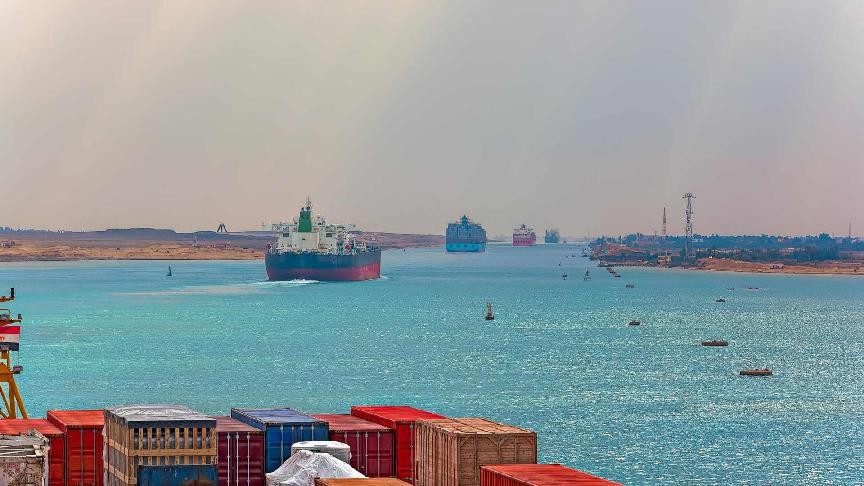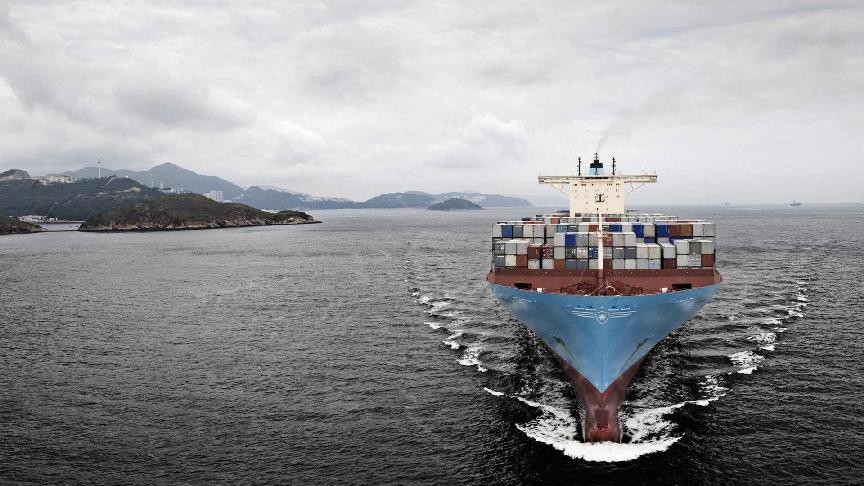

Maersk and Hapag-Lloyd have jointly announced today a further return of Gemini services to Suez Canal routings. The carriers will move additional loops linking Asia and Northern Europe, Asia and the Mediterranean, and India and Europe away from the longer Cape of Good Hope route.
They say the change will provide more efficient transit times, while remaining conditional on stability in the Red Sea and the absence of further regional escalation.
Global Shippers Forum questions the risk
The return is, nevertheless, drawing criticism from the Global Shippers Forum. Its director, James Hookham, described the growing number of Red Sea transits as a “reckless gamble” while the Middle East security situation remains volatile and the Houthis retain close ties to Iran.
Recent attacks have focused on Saudi-bound oil tankers rather than container ships, but the group argues that cargo owners need greater transparency on the intelligence and assurances behind carriers’ routing decisions.
Hookham also warned that any renewed attack on commercial shipping could trigger abrupt diversions during the crucial September and October peak season, creating fresh disruption for supply chains ahead of major year-end retail events.
The concern is sharpened by the Houthis’ capture of the strategically located port of Mokha, less than 50 miles from the Bab el-Mandab Strait. The group has stated that Red Sea navigation is safe for vessels other than Saudi ships, but the regional threat level remains substantial.
Lars Jensen sees normalisation as the current baseline
Maritime analyst Lars Jensen offers a more measured assessment. He notes that recent Houthi military action appears directed at Saudi oil tankers and linked to the group’s escalating conflict with Saudi Arabia, rather than at container shipping. With no container ship attacked in the southern Red Sea for more than a year, Jensen says liner operators clearly regard normalisation as the present baseline.
Maersk has likewise said that each transit follows a thorough security assessment and that vessels would not sail if there were indications of an intent to attack.
The widening Gemini return therefore signals growing carrier confidence, but not a declaration that the underlying risk has disappeared.
For shippers, the central issue remains whether faster, more efficient Suez routings are supported by sufficient visibility and contingency planning to manage a sudden deterioration in security.