
Iran’s parliament has endorsed a formal toll and access structure governing passage through the Strait of Hormuz, according to Iranian state broadcaster IRIB.
The approval was granted by Iran’s Parliament Security Committee on day 32 of the US-Israel conflict with Iran. The plan establishes transit charges payable in Iranian rials, alongside new security and environmental requirements.
Under the same framework, passage through the strait would be denied to vessels linked to the United States, Israel, and countries that have imposed unilateral sanctions on Iran.
Not surprisingly, the proposal introduces an “approved passage” mechanism, shifting beyond temporary wartime interruption towards a defined regulatory system for the waterway.
Maritime media outlet Splash247 cited Greece‑based Xclusiv Shipbrokers, which described the development as a fundamental change in how the strait is administered.
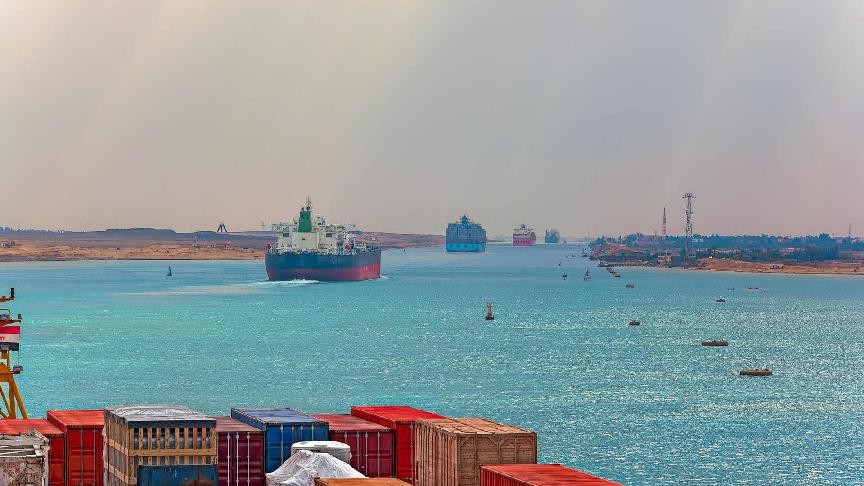
The Strait of Hormuz is no longer simply a chokepoint. It is gradually being reshaped into a controlled corridor where access is conditional, selective, and increasingly political.
Toll system added on top of fuel supply shortages
While those regulatory changes unfold, fuel supply conditions for ocean carriers are starting to tighten.
A report by the Journal of Commerce notes that bunker availability in Asia remains manageable, but global suppliers have warned that the extended closure of the strait to ship traffic would trigger shortages across other regions.
Carriers are responding through a combination of operational and financial actions.
Measures currently in use include reducing sailing speeds to limit fuel consumption, loading bunkers in the United States and Europe for transfer to Asia, and applying emergency fuel surcharges to recover increasing costs.
Erik Deventak, chief technology and data officer at Xeneta, said fuel constraints could directly affect service levels.
“In a worst‑case scenario, any bunker shortage will hit supply because a carrier cannot run as many ships,” he said.
“There’s no way around it, and carriers will eventually need to reduce supply, likely through blank sailings.”
Financial pressures visible among individual carriers
Hapag‑Lloyd chief executive Rolf Habben Jansen said the company is absorbing additional costs of between $40 million and $50 million per week linked to the Middle East conflict.
Speaking during an online press conference, he described the situation as “not sustainable for a long time” and said the carrier faces “a big challenge” with six vessels and 150 crew members currently unable to leave the Persian Gulf.
Similarly, about two weeks after the Hormuz Strait closure, Maersk had warned of the "uneven" global distribution of fuel, stating that it would impact both ocean and air transportation.
In a press release published on 13 March, Karsten Kildahl, Maersk's CCO, said, "We are making changes to our fuel supply chain and begin moving fuel to ensure our vessels can continue to bunker where needed – and protect the flow of trade."
While the extent of any shortages remains unclear, Xeneta experts believe carriers and operators may need to prioritise which ocean services continue.