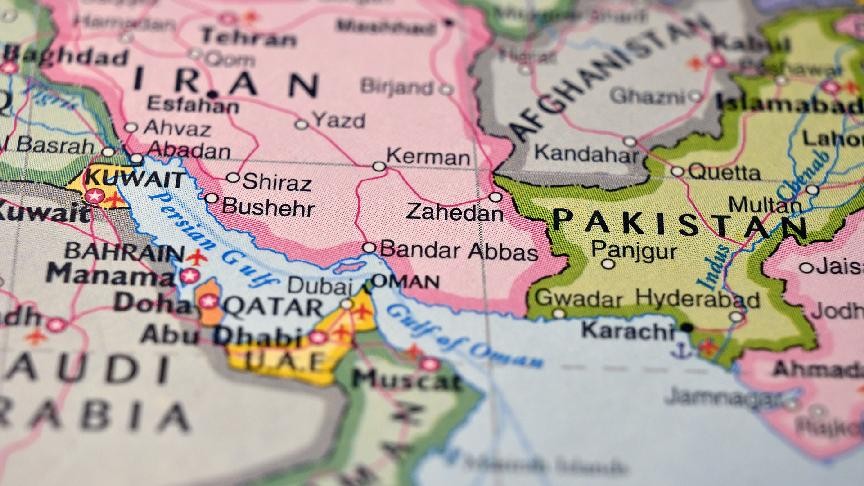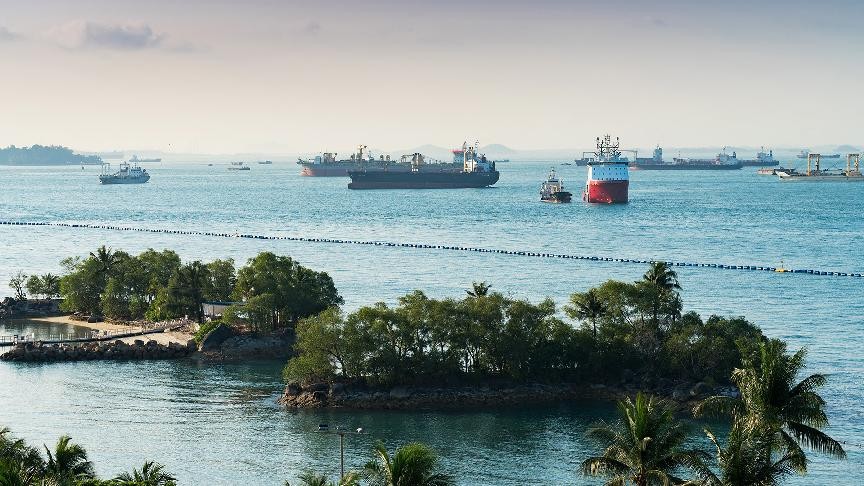

TEHRAN has launched an authority that it says is now in control of the Strait of Hormuz and will consider offering vessels insurance against their detention or confiscation of cargo.
On Monday (May 18), the Persian Gulf Strait Authority launched its account on social media platform X.
“The Persian Gulf Strait Authority (PGSA) is the legal entity and representative authority of the Islamic Republic of Iran for managing the passage and transit through the Strait of Hormuz,” it said.
“Navigation within the introduced boundaries of the Strait of Hormuz, which were previously determined by the Armed Forces and authorities of the Islamic Republic of Iran, is contingent upon full coordination with these entities, and passage without permission will be considered illegal.”
Alongside the launch of this new agency, Iranian media outlet Fars (which is linked to the Islamic Revolutionary Guard Corps) said one of its reporters had seen a document suggesting Tehran was also launching an insurance scheme for Hormuz transits.
According to the Fars report, the insurance would cover losses as a result of inspection, detention and even confiscation of cargo, but crucially not damage from weapon strikes. The plan could generate more than $10bn in revenue for Iran, Fars said.
Iran has mooted charging a toll to transit the critical chokepoint in the past, but according to Fars this insurance-based model would be “acceptable” to other countries in peacetime “while still allowing Iran to exercise control over the strait”.
Tehran would be able to determine the nationality of vessels seeking to transit the strait through this scheme, Fars said.
Spokesperson for Iran’s Foreign Ministry, Esmaeil Baqaei, said “expert level meetings” were being held in the Omani capital of Muscat to draft a mechanism that would give them control of the strait, fellow state media outlet Tasnim reported.
Commenting on the prospect of charging fees for Hormuz transits, Baqaei said reducing the issue to “merely a financial matter was a deviation from the main issue”.
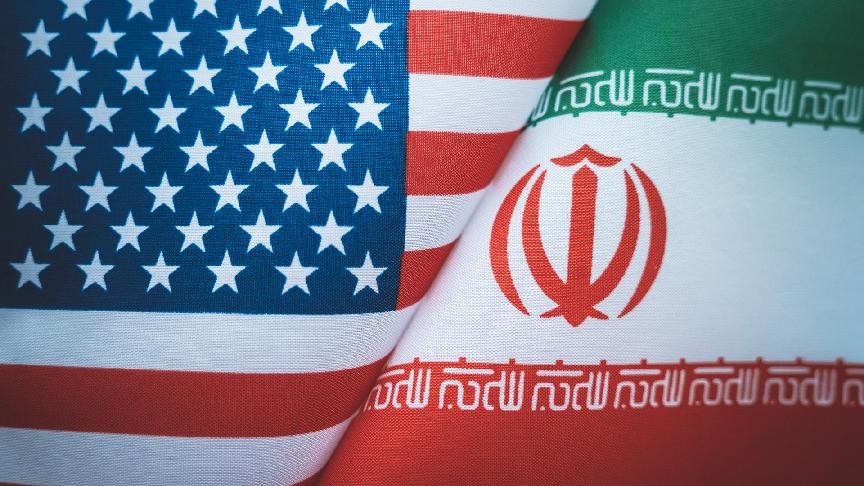
Iran has insisted on control of the strait throughout talks with the US, leading to industry concerns that freedom of navigation through the chokepoint will not be restored even with a peace deal.
Secretary-general of the International Maritime Organization (IMO), Arsenio Dominguez, said “the principle of freedom of navigation is not negotiable”.
“If we start down this road debating principles of international maritime laws that we have relied on for many years, it becomes it’s a free for all that sets a very dangerous precedent... it will open the floodgates,” Dominguez told Lloyd’s List referring to other global maritime chokepoints.
In accordance with the United Nations Convention on the Law of the Sea and customary international law, straits used for international navigation cannot be closed by bordering states. Equally, there is no legal basis for any country to introduce payments or impose tolls, fees, or discriminatory conditions on straits.