
CREW morale has been badly hit by the Strait of Hormuz crisis, affecting far beyond the immediate area, according to a survey conducted by the Mission to Seafarers.
The quarterly Seafarers Happiness Index compiled by the Christian welfare charity found that responses were stable in the opening period of 2026, before falling in the wake of the US and Israeli attack on Iran in late February.
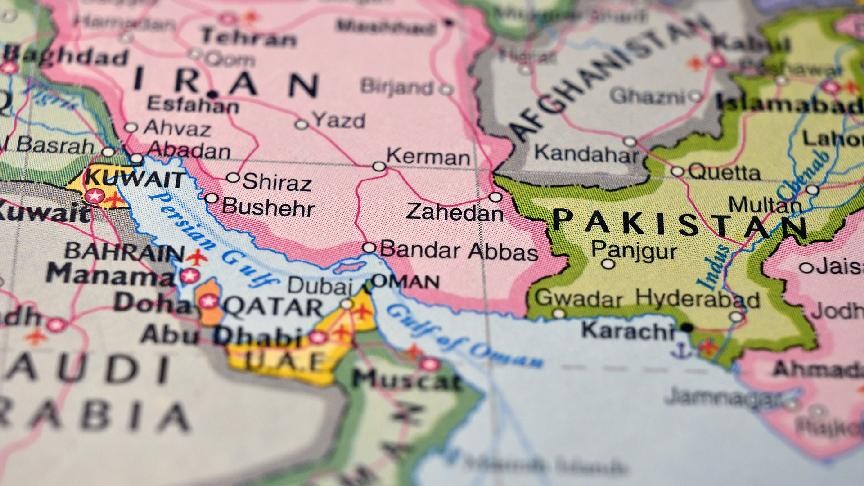
The conflict has resulted in hundreds of vessels finding themselves trapped in the Middle East Gulf, with restrictions on air travel making it all but impossible for shipowners to repatriate crews.
Even seafarers operating outside the immediate war zone reported heightened stress and fear, describing the pervasive sense of uncertainty as a “new pandemic”.
Respondents described watching drones and missiles fly at low altitudes and hearing fighter jets pass close to their vessels.
Stranded crews reported critical shortages of basic necessities, with some forced to boil seawater for drinking and ration food to a single daily meal.
The survey was tracking upward at 7.35 — on a scale of one to 10 early in the quarter — before dropping to 7.01 in the weeks following the outbreak of the fighting.
This represents a 4.6% decline, which Mission to Seafarers describes as an unusually rapid rate of deterioration.
The SHI is published four times a year in partnership with vessel condition inspector Idwal Marine and P&I club NorthStandard, and supported by satellite communications provider Inmarsat.
Many seafarers trapped in the MEG are suffering from what Mission to Seafarers characterises as a form of “de facto detention”.
In some cases, they believe that even requesting relief or repatriation could see them blacklisted by shipping companies and unable to secure future employment.
Increased Global Navigation Satellite System jamming can make navigation dangerous and even “terrifying” for masters, while internet blocking and communication blackouts in conflict zones sever seafarers from their families and friends.
Outside of the MEG, the data reveals a deepening structural crisis. Workload management recorded the sharpest decline of any category, falling to 6.36 out of 10.
Mission to Seafarers alleges that rest hour records are frequently falsified to demonstrate regulatory compliance while actual working hours routinely reach 12 to 14 hours a day, seven days a week. Reduced crew number compound the burden.
Despite the growing risks, wages have remained largely static for a decade, even as company profits and inflation have risen.
Wage scores edged up slightly to 6.98. But senior officers, particularly masters, report the lowest happiness scores of any rank, shouldering the greatest responsibility with the least support.
Seafarers aged 25 to 35 represent the largest group of respondents and are the least satisfied, pointing to a looming recruitment and retention crisis.
Mission to Seafarers director of programme Ben Bailey said: “The 1Q data tells two very different stories. The early signs were encouraging, well-being was improving and there were reasons for cautious optimism.
“But the outbreak of conflict in the Middle East Gulf changed everything, and the speed of that deterioration should alarm us all... At the same time, the structural pressures we have been tracking for years have not gone away. The industry cannot afford to treat these as separate problems.”