
FIVE Middle East Gulf states have formally rejected Iran’s creation of the Persian Gulf Strait Authority, the new body Tehran says will regulate ship transits through the Strait of Hormuz.
In a letter to the International Maritime Organization, Bahrain, Kuwait, Qatar, Saudi Arabia and the United Arab Emirates urged member states to instruct vessels under their control not to use the PGSA’s designated transit route. Recognising Iran’s new authority, they warned, “would set a dangerous precedent”.
Iran established the PGSA earlier this month to approve ship movements and collect tolls in the strait. The agency has already introduced a framework requiring vessels to obtain transit authorisation and pay fees in advance. Application documents seen by Lloyd’s List require ships to submit detailed ownership, insurance, crew and routing information.
The MEG states said Iran’s proposed route is an attempt to force vessels into Iranian territorial waters “for monetary gain through the imposition of toll fees”. They rejected both the route and any engagement with the PGSA, calling it unsafe compared with the Traffic Separation Scheme that has been in place since 1968. They also opposed including Iran’s route in any plan to evacuate merchant ships from high‑risk areas.
The IMO Secretariat is holding diplomatic talks with Iran and Oman in an effort to establish a framework that would restore freedom of navigation in the strait.
Bloomberg yesterday reported that Iran had been engaging Oman in discussions to impose a permanent toll in the SOH.
Iran’s French ambassador Mohammad Amin-Nejad told the news agency: “Iran and Oman must mobilise all their resources both to provide security services and to manage navigation in the most appropriate manner.”
He also added that tolls will be part of the new solution saying that “those who wish to benefit from this traffic must also pay their share”.
UAE and Iran tensions
UAE presidential adviser Anwar Gargash on Thursday pushed back on PGSA’s formalised jurisdiction for contravening the UAE’s territorial waters.
“The regime is trying to establish a new reality born from a clear military defeat, but attempts to control the SOH or infringe on the UAE’s maritime sovereignty are nothing but pipe dreams,” he said on social media platform X.
Gargash also alleged that Iran had been bullying the UAE for decades. His comments come as tensions between the UAE and Iran escalate amid Iran’s war with the US.
Iranian foreign minister Abbas Aragachi last week alleged that the UAE participated in attacks on Iran.
The US-Iran conflict had also brought on attacks on UAE infrastructure, with the port of Fujairah being attacked by missiles which the UAE alleges came from Iran.
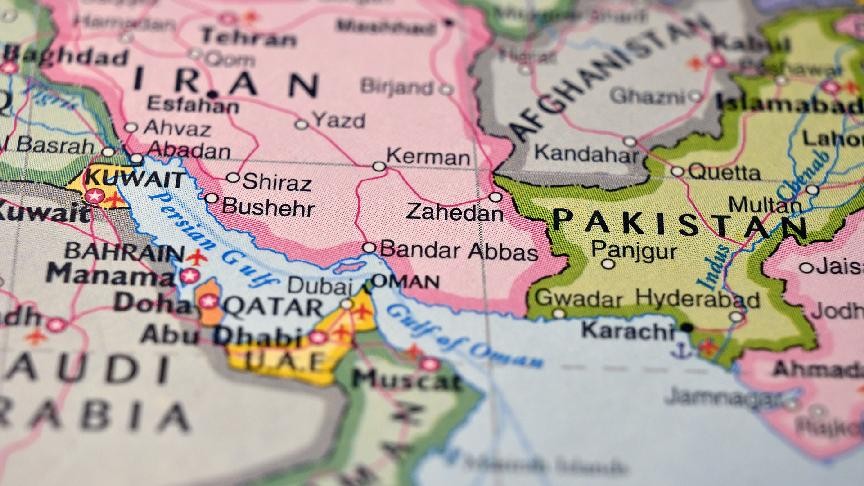
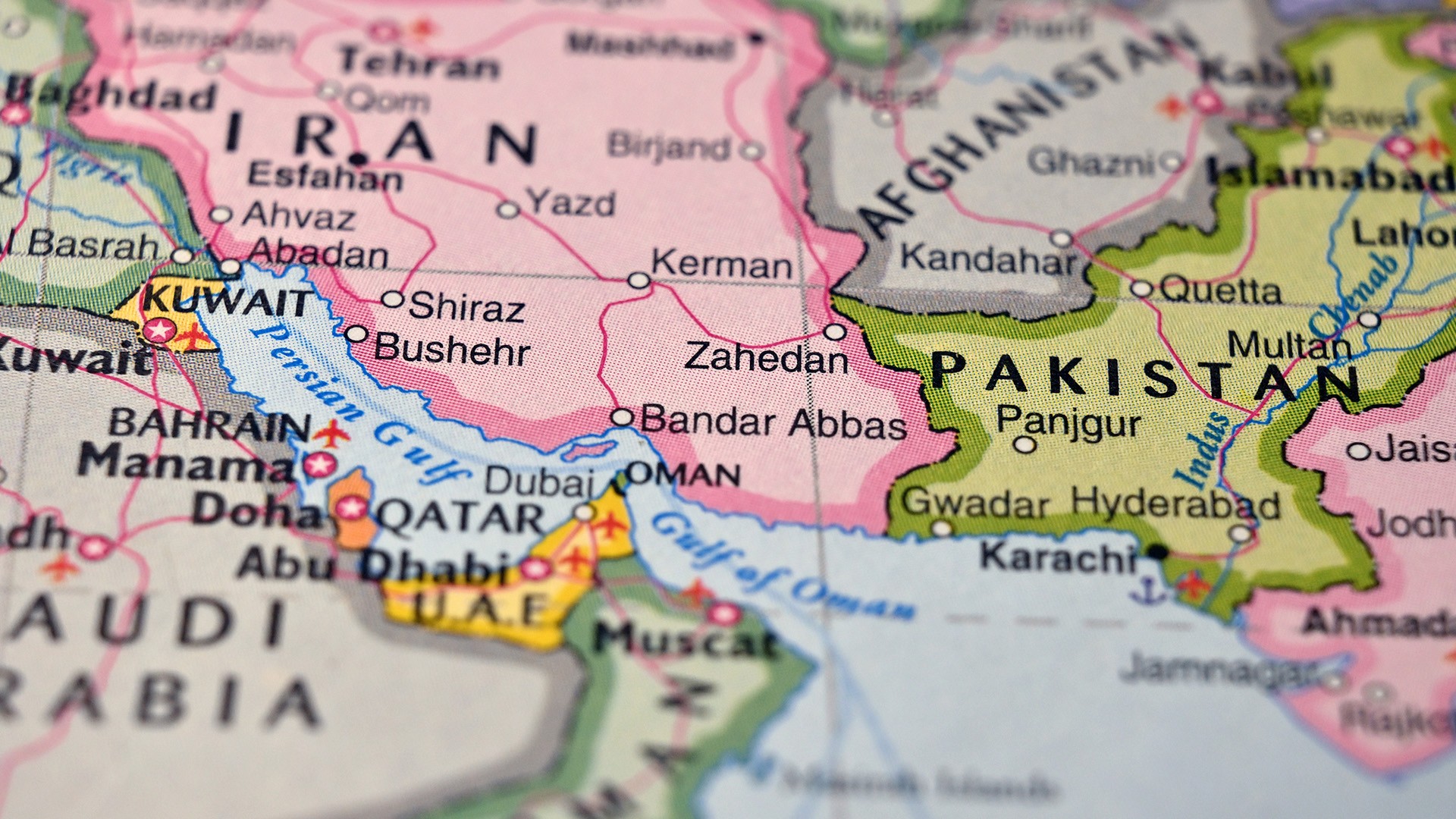
PGSA’s new jurisdiction will see it govern parts of UAE’s coast. This includes the ports of Ras al Khaimah on the west side — in the Middle East Gulf, and the port of Fujairah on the east side — in the Gulf of Oman.
It also includes control over the Oman’s northern coast in the SOH.
The Institute for the Study of War said the jurisdiction announced yesterday “lays explicit claim to control over the territorial waters of the UAE and Oman”.
“Iran’s demands over the SOH demonstrate that Iranian officials believe they won the war because formalising Iranian control over Hormuz is a territorial claim on the sovereign territory of another country.”
Plan B
With freedom of navigation in one of the world’s most vital chokepoints at stake, contingencies have had to be made to ensure continued flows of crude oil.
Saudi Arabia has utilised its 7m barrels per day East-West Pipeline to support more Red Sea loadings as its flows from its east coast get choked.
The UAE also has a similar pipeline in place that will allow barrels to bypass the SOH. But this is much smaller at 1.8m bpd. Plans for a second pipeline are underway, with construction already hitting 50% completion.
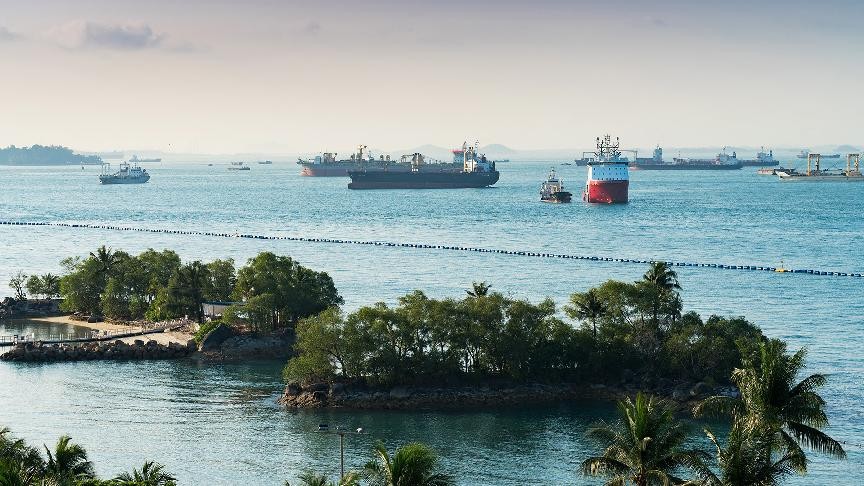
But in the interim, the UAE has pushed for more liftings via ship-to-ship transfers in the port of Sohar.
Vortexa data shows a sharp rise in STS crude oil transfers taking place near the Omani port. April saw 339,000 bpd of crude oil being transferred with all of it originating from UAE.
Figures in May currently show a similar trend, with 342,000 bpd of transfers already taking place so far this month. UAE-origin barrels account for 66%, while Iraq-origin barrels make up 33%.
Vortexa senior analyst Xavier Tang noted that Middle Eastern crude oil producers turned to STS transfers outside the SOH as shipowners and operators remain unwilling to risk their assets being stuck in the MEG. These include STS zones in Oman, the UAE and India.
“Sohar became the most popular STS hotspot among others due to lower vessel traffic compared to Fujairah and its proximity to Hormuz. The STSs conducted in these areas helped mitigate the buyer’s risk of loading from within the Strait of Hormuz, as most oil cargoes are sold on an FOB basis.”
The change in STS transfers in Sohar has been drastic. Before the war, STS transfers in Sohar averaged 30,860 bpd for the whole of 2025. May’s STS transfers are currently more than eleven times this average. April’s STS transfers were up 10-fold on last year’s total STS figures.
UAE cargoes were virtually absent in 2025. Iran made up majority at 55%.
Lloyd’s List Intelligence vessel-tracking data showed a crude oil STS transfer taking place in the Sultanate of Oman from Togo Prosperity (IMO: 9411032) to V Harmony (IMO: 9845233) on May 16 and May 17.
V Harmony is likely headed to Yeosu, South Korea based on its Automatic Identification System broadcast. It called at Sohar anchorage on May 8 and has since departed.
It has been close to three months since the US war with Iran began, with no clear resolution in sight.
US President Donald Trump earlier this week said that he withheld more aggressive attacks on Iran on the request of MEG state leaders.
Reports by security agencies suggest that he could continue to hold off further attacks at least until after Eid al-Adha celebrations next week, depending on how negotiations between the US and Iran progress.
ISW yesterday said that Iran has yet to submit a response to the latest US proposal as multiple mediators continue efforts to narrow gaps between the US and Iran. Nuclear weapons and the SOH remain the two “sticking points” on negotiations.
“Allowing Iran to continue enforcing protocols would be detrimental to US and international commercial interests, as it would mean Iran could prevent ships from traversing the strait anytime it wants,” ISW said.