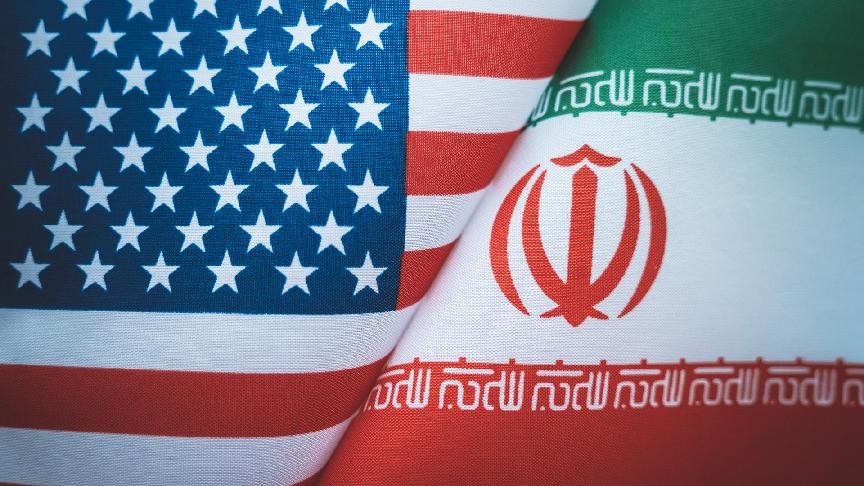

THE US Navy has issued an updated advisory that significantly broadens the scope of its naval blockade of Iran, asserting the right to board and seize Iran-linked vessels regardless of their location on the open seas.
The accompanying contraband list is so expansive that it effectively constitutes a total maritime embargo on the Iranian economy.
The updated guidance, published on Thursday (April 16) by the US Central Command, comes days after the navy began enforcing the blockade on Monday (April 13) following the collapse of US-Iran weekend peace talks. The blockade initially applied to the entire Iranian coastline, including all ports and oil terminals.
Today’s document further asserts that Iranian vessels, Ofac-sanctioned vessels and those suspected of carrying “contraband” –– goods destined for an “enemy” and susceptible to use in armed conflict –– are subject to “belligerent right to visit, board, search, and seizure” at any location, not solely within the blockade enforcement area.
Contraband items are described as “subject to capture at any place beyond neutral territory” — a phrase drawn from traditional law of naval warfare that carries sweeping geographical implications.
Under the law of armed conflict at sea, “neutral territory” refers to the sovereign territory and territorial waters — typically 12 nautical miles from the coastline — of states not party to the conflict. Belligerents are in general prohibited from exercising the right of visit and search within those waters.
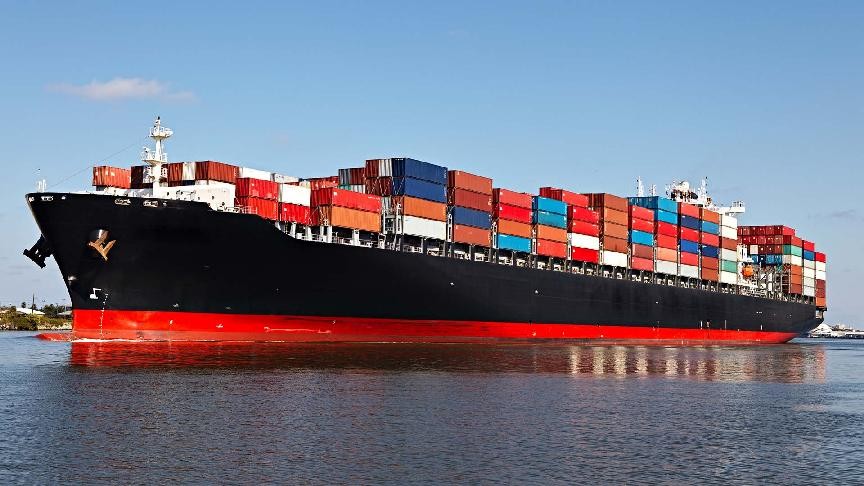
The expanded capture provisions could have implications for shadow fleet tankers operating in waters commonly used as ship-to-ship transfer hubs.
The sweeping list includes “absolute contraband” items such as weapons, ammunition, military vehicles, missile components. It also classifies crude oil, lubricants, iron, steel, rare earth elements, among a vast array of civilian goods, as “conditional contraband,” citing their dual-use nature.
Conditional contraband — goods liable to capture when circumstances suggest military end-use — casts a far wider net, encompassing virtually every category essential to a modern industrial economy.
Petroleum products are classified as conditional contraband due to their “essential role in military operations and contribution to Iran's war-sustaining economy,” providing basis for the US to seize Iranian oil cargoes well beyond the blockade zone.
But the list goes far beyond, encompassing oil, basic metals, specialty alloys, rare earth elements, nuclear materials, machine tools, dual-use electronics, chemicals, heavy vehicles, aircraft and vessel components, communications systems and power generation equipment.
The threshold for seizure — when “the totality of circumstances indicates intended military end-use” — affords US naval forces enormous discretionary latitude, meaning almost any industrial cargo bound for Iran could plausibly be intercepted.
The move comes as the Strait of Hormuz traffic has remained muted following the breakdown of peace talks and the blockade announcement, with some vessels observed changing course and turning back.