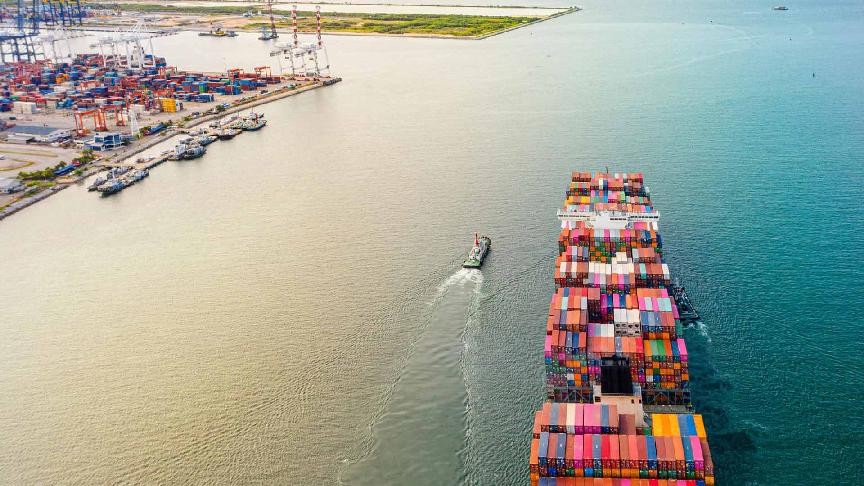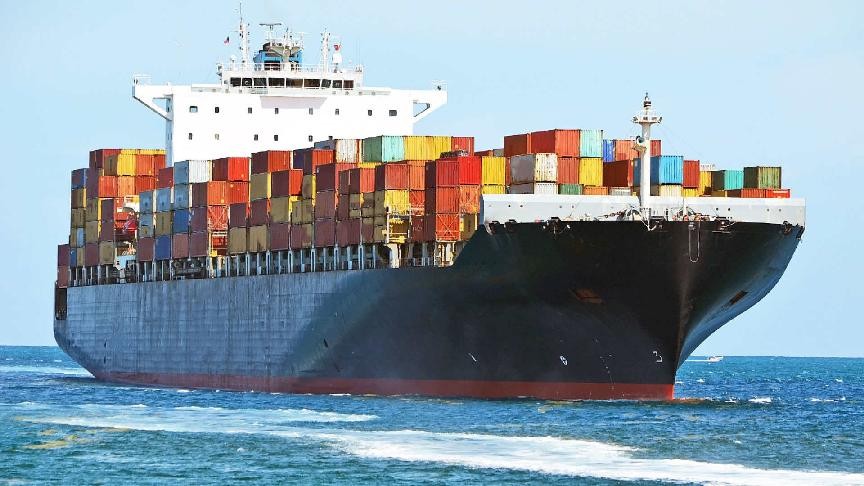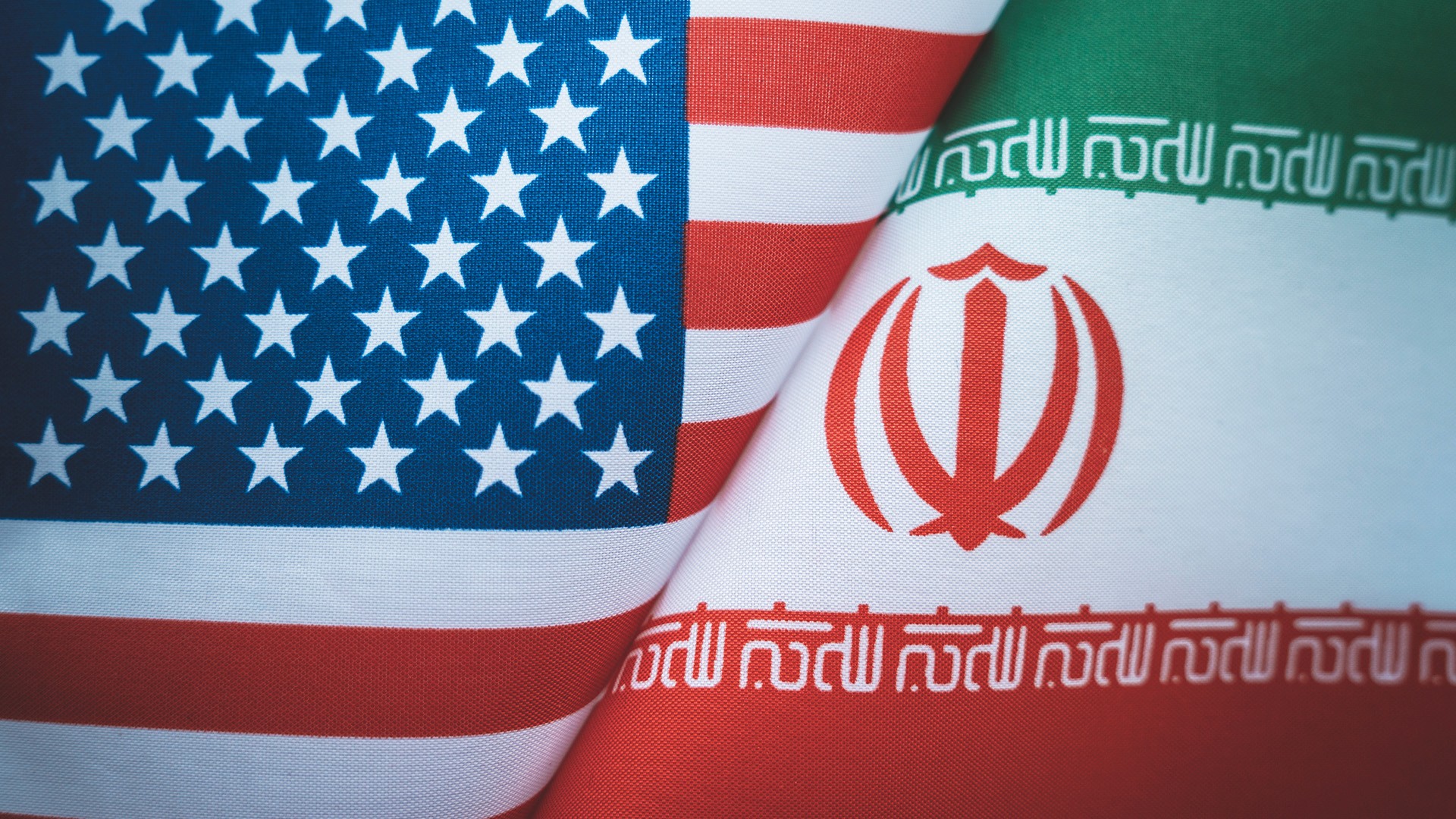

THE STRAIT of Hormuz is “completely open for all commercial vessels” throughout the ceasefire between Israel and Lebanon, Iran’s foreign minister confirmed via a social media post.
Seyed Abbas Araghchi said via X that vessels wishing to transit still must do so via the coordinated route already mandated by Tehran.
The US Department of State confirmed the ceasefire between Israel and Lebanon would begin at 0000 hrs on April 17 after the two nations “reached an understanding” and committed to working towards “lasting peace” between them.
Continued conflict between Israel and Lebanon had been a sticking point for Tehran previously, with Iran claiming attacks launched by Israel constituted breaches of the agreed ceasefire.
But this latest diplomatic breakthrough has, at least publicly, been enough for Iran’s government to declare the critical chokepoint open.
Deputy Foreign Minister Saeed Khatibzadeh told ITV last week that the strait was open for all commercial traffic, even US ships, but said vessels still had to coordinate with the Islamic Revolutionary Guard Corps Navy to avoid mines that may have been laid during the conflict.
BIMCO has warned that claims from President Trump that the strait is “fully open” are not correct, and that there is still a threat of mines in the original Traffic Separation Scheme (not the approved routes laid out by Tehran).
In that regard, Araghchi’s statement today doesn’t change much; vessels wanting to transit the strait must still coordinate with Iranian authorities and transit via the approved routes.
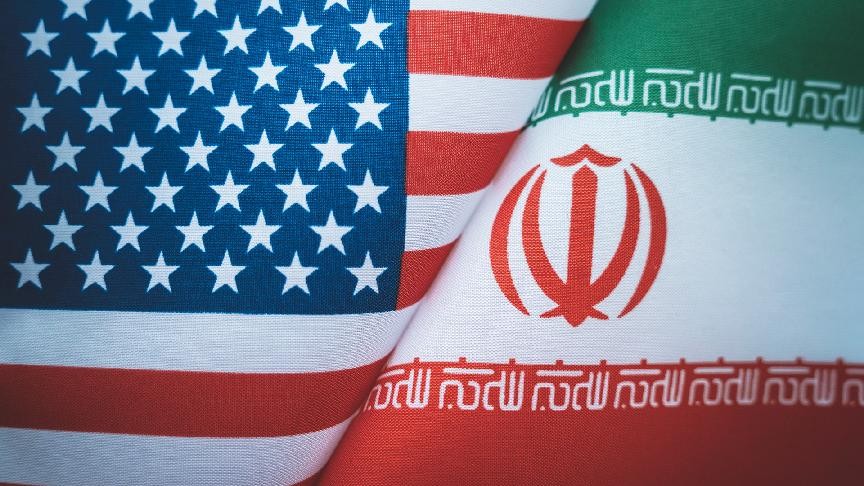
President Trump said the blockade by his navy would remain in place until “such time as our transaction with Iran is 100% complete”.
Oil prices dropped sharply following the announcement, with Brent crude falling from $95 before the announcement to under $90 immediately afterwards.