
Gulf states are fast-tracking pipelines, export terminals and logistics corridors to reduce reliance on the Strait of Hormuz after the latest disruption exposed the region’s vulnerability to geopolitical conflict.
Existing alternatives such as the UAE’s Fujairah pipeline and Saudi Arabia’s East-West Pipeline are gaining strategic importance, while new projects could eventually divert more than 10m barrels per day from Hormuz.
The shift could redraw Middle East energy trade, boosting ports including Fujairah, Yanbu and Sohar, while creating longer-term challenges for tanker markets as more crude moves through overland infrastructure.
THE biggest legacy of the Iran-Hormuz crisis may not be higher freight rates or oil prices. It may be a new wave of pipelines, rail links and export corridors designed to reduce the gulf’s dependence on the world’s most important maritime chokepoint.
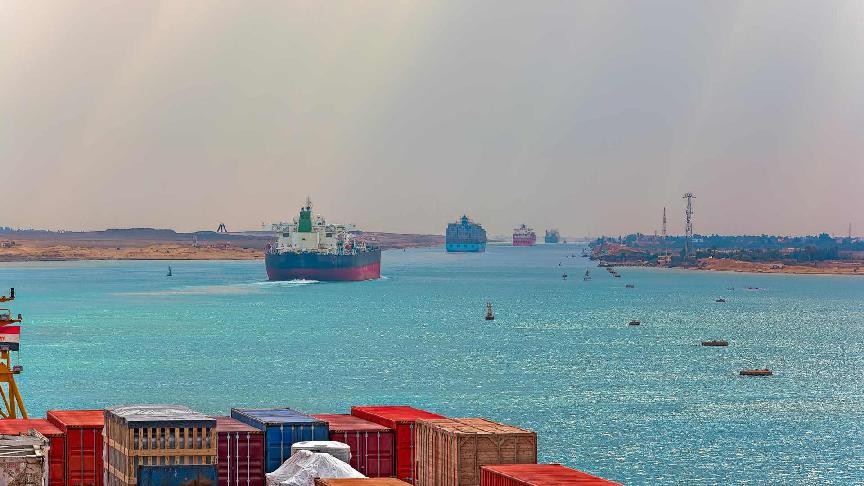
Shipping traffic has collapsed inside the Strait of Hormuz amid the latest escalation of attacks between the US and Iran, but gulf energy exporters are already looking beyond to the next crisis.
The disruption exposed a strategic vulnerability long understood but rarely tested. While tanker owners, traders and refiners focused on managing immediate disruption, governments across the region are now confronting a more consequential challenge — how to ensure they are never again so dependent on a route vulnerable to geopolitical confrontation.
The answer is likely to reshape the Middle East’s energy and logistics map over the coming decade.
While attention remains focused on shipping disruptions and geopolitical tensions, a more significant trend is already emerging: gulf energy producers are accelerating investment in alternative export corridors designed to reduce reliance on vulnerable maritime chokepoints.
“We are seeing a shift from short-term contingency planning towards long-term infrastructure investment strategies,” said Brendan Molck, a partner at Clyde & Co in Riyadh.
“Rather than expecting a linear recovery in shipping capacity, many market participants are planning for continuing periods of disruption and are investing accordingly.”
From pipelines and railway links to port expansions and inland logistics corridors, gulf states are accelerating plans to build alternative export routes that bypass Hormuz. The aim is not to eliminate dependence on the strait — an impossible task for the foreseeable future — but to reduce potential disruption to a level global markets can absorb.
“It seems a fantastic moment to be a pipeline builder,” said Andrew Wilson, head of research at shipbroker BRS. “I think all these countries — not just the UAE and Saudi Arabia, but Kuwait, Iraq, maybe even Qatar and Bahrain — are looking at bypassing the strait in some form or another.”
The foundations already exist.
The UAE’s Habshan-Fujairah pipeline already allows crude exports to reach the Gulf of Oman without entering Hormuz, carrying up to 1.8m barrels per day. Abu Dhabi is now accelerating plans for a parallel West-East pipeline that would double export capacity through Fujairah by 2027, further strengthening its ability to bypass the strait.
Saudi Arabia’s East-West Pipeline, which carries crude from the gulf coast to Yanbu on the Red Sea, has likewise become an increasingly important outlet during periods of regional disruption, underlining the strategic value of export routes that avoid Hormuz altogether.
The recent crisis has also provided an unexpected test of Saudi Arabia’s system. For years, many analysts assumed exports were constrained to around 4m bpd. Riyadh maintains the network can transport as much as 7m bpd, but recent utilisation suggests bottlenecks may lie at the Yanbu export terminal rather than along the pipeline itself. If so, Yanbu could become a target for rapid investment and expansion.
“Events have demonstrated why such optionality and built-in redundancy is valuable,” said Paul Horsnell, chair of the board of the Oxford Institute for Energy Studies.
Pipelines alone will not replace Hormuz, but current projects across the MEG could eventually divert around 10m bpd of the roughly 17m bpd typically transiting the strait.
“These plans won’t mean there will be no ships going through the strait, but it does start to reduce risk,” said Wilson.
“Once you get below five million, then you can, to a certain extent, say the market can handle a five million barrel-a-day disruption. It just can’t handle a 17 million barrel-a-day disruption.”
The logic extends well beyond crude oil.
Every barrel diverted from Hormuz requires storage tanks, export terminals, ports, utilities and transport links. What begins as an energy security strategy quickly becomes a broader industrial and logistics investment programme.
That trend is already visible along the Gulf of Oman.
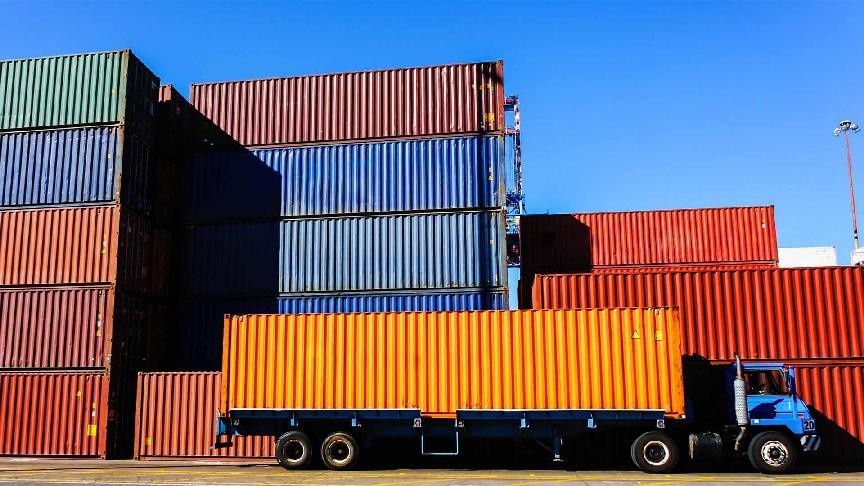
DP World is exploring a new port development and additional container capacity at Fujairah, while Gulftainer is accelerating a $2bn expansion at Khor Fakkan designed to integrate port operations with rail and inland logistics networks. Oman, meanwhile, is positioning Sohar as an alternative gateway to gulf markets.
Last month, CMA CGM and Oman’s Asyad Group signed a framework agreement for a $400m multipurpose logistics terminal at Sohar. The attraction is obvious: the port sits outside Hormuz.
Rail investment is reinforcing the same shift. New links connecting Fujairah to the UAE interior, alongside the Hafeet Rail project between the UAE and Oman, form part of a wider effort to create overland alternatives to vulnerable maritime routes.
The most ambitious proposals involve Iraq. Baghdad is examining ways to connect its southern oilfields to northern pipeline networks and, ultimately, Mediterranean export routes. Chevron has reportedly reviewed projects that could one day move Iraqi crude westwards through Syria to the Mediterranean.
For Washington, such schemes would deliver geopolitical benefits as well as energy security, strengthening regional trade integration while reducing Iran’s leverage over gulf exports.
Yet analysts caution that these projects remain years from reality.
“The dossier is on the table, but it really hasn’t advanced very much from the initial approval stage,” Horsnell said.
The proposed Banias route illustrates the challenge. The pipeline dates from the 1950s, has been largely unusable for more than two decades and would require extensive reconstruction. Political risks remain high, financing is uncertain and cross-border Middle Eastern pipelines have a poor historical track record.
Even under favourable conditions, industry observers estimate a Mediterranean outlet for southern Iraqi crude remains five to 10 years away.
That helps explain why most analysts expect gulf exports to continue flowing primarily by sea. The bigger change may be where those barrels emerge.
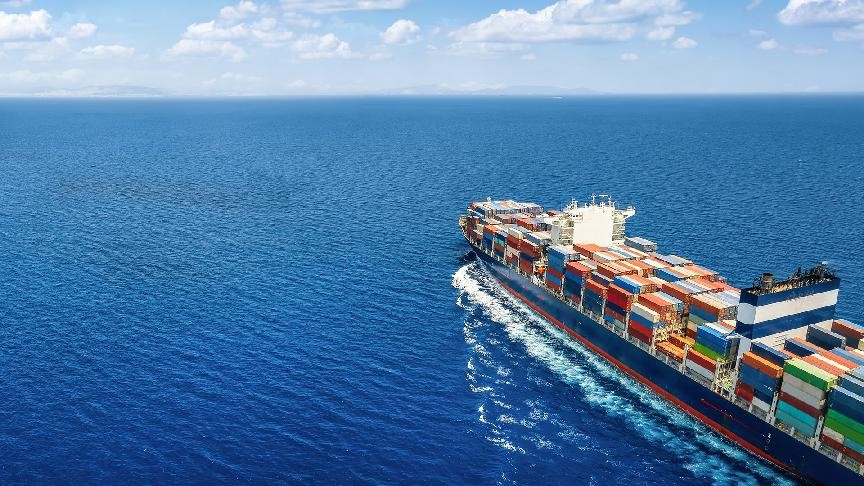
Cargoes that once exited through terminals inside the gulf could increasingly reach world markets via Fujairah, Yanbu and Omani ports. The volume moving through the MEG may decline without a corresponding reduction in seaborne exports.
For shipping markets, that distinction matters.
Alternative export routes improve energy security but could also reduce tonne-mile demand if crude travels shorter distances before loading or moves partly through overland infrastructure. At a time when tanker fleets are expanding rapidly, any structural reduction in long-haul trade could weigh on freight markets once the current risk premium fades.
Even so, the direction of travel now appears set.
Wilson estimates the region could eventually create alternatives for well over 10m bpd of exports currently dependent on Hormuz. That would still fall short of replacing the strait, but it would substantially reduce the scale of any future disruption.
“Nobody wants to be held hostage by Iran,” he said.
For shipping markets, the implications are more nuanced than they first appear. Alternative routes are unlikely to eliminate seaborne trade. Most Middle Eastern crude will still be destined for Asian buyers. What may change is where cargoes are loaded, with Fujairah, Yanbu, Sohar and other ports taking market share from gulf terminals inside Hormuz.
The irony is that Tehran’s greatest source of leverage may ultimately prove self-defeating. By demonstrating the risks of dependence on Hormuz, Iran may have accelerated investment in the pipelines, ports, railways and logistics corridors designed to diminish the strait’s strategic importance.
Hormuz will remain one of the world’s most important waterways for years to come. But as gulf states redraw supply routes and invest billions in alternative export infrastructure, the next crisis may find a far greater share of the region’s energy exports travelling around it rather than through it.