EUROPEAN Union foreign policy chief Kaja Kallas has renewed calls for member states to bolster the bloc’s Red Sea naval mission, warning that Operation Aspides lacks the ships and aircraft needed to protect commercial shipping as security risks intensify across the Middle East’s key maritime chokepoints.
Speaking on the sidelines of the United Nations General Assembly in New York, Kallas said the EU-led operation required additional naval and air assets to cope with a deteriorating threat environment in the Red Sea and beyond.
“The operation needs more naval assets and more air assets to address the increased level of threats in the region,” Kallas told reporters. “The Black Sea, the Strait of Hormuz and the Strait of Bab el Mandeb are three critical maritime chokepoints whose disruption spreads far beyond the region.”
The comments amount to the clearest acknowledgement yet from Brussels that the mission remains significantly under-resourced despite operating at the centre of one of the most prolonged crises to global shipping since the Houthi attacks began in late 2023.
Aspides was launched in February 2024 to safeguard merchant shipping transiting the Red Sea and the Gulf of Aden. However, the operation has consistently struggled to attract sufficient military contributions from EU member states.
Rear Admiral Vasileios Gryparis, commander of EU Naval Forces Operation Aspides, told Lloyd’s List in 2024 that he was given just four days to draft the operational strategy for what was an unprecedented EU naval operation that has struggled from day one to get the required support from governments.
His original assessment stated that he would need a minimum of 10 naval ships, six of which would need to be based in the Red Sea, alongside extensive air support.
Aspides has rarely exceeded an average of three naval vessels with no air support available.
Several of the naval vessels in rotation are old with limited and ageing technology on board. The operational zone that Aspides is supposed to cover entails the entire Red Sea, the Gulf of Aden, the Arabian Sea, the Strait of Hormuz, the Middle East Gulf and also a large part of the north-west Indian Ocean.
“I’m not a magician,” Gryparis told Lloyd’s List in December 2024. “Give me the tools, and I will provide you with the results, but what we have achieved with what we have is quite remarkable.”
Kallas acknowledged on Tuesday that the original assessment called for at least 10 warships and noted that the current security environment may require even more.
The operation relies primarily on vessels from Italy and Greece, supplemented by occasional contributions from other member states. Diplomatic sources say six warships are presently operating under the mission, representing an increase on historical deployments but still well below the level military planners initially deemed necessary. It is also unclear how many of those six are operating simultaneously.
Kallas’ intervention comes as maritime security concerns are again mounting across both the Bab el Mandeb and Strait of Hormuz. Two merchant vessels were reportedly struck in separate incidents while transiting Hormuz over the weekend, while Houthi forces have continued to threaten retaliation against Saudi Arabia after an escalation in cross-border military activity.
Security analysts increasingly warn that shipping companies can no longer view the Red Sea and Hormuz as separate theatres. Growing Saudi reliance on oil exports through Hormuz, following disruption to alternative export routes, means instability in either chokepoint could have wider consequences for global energy markets and supply chains.
The deteriorating outlook is also exposing divisions within Europe over how to respond.
Last week Italy signalled it was prepared to use naval assets already deployed under Aspides to escort Italian merchant vessels independently, if necessary, with Defence Minister Guido Crosetto warning Rome could not wait for “bureaucratic delays” in EU decision-making while threats to shipping were rising.
At the same time, G7 foreign ministers used meetings in New York to call on Iran to end support for the Houthis and demanded the group halt attacks on commercial shipping.
Kallas has formally asked all 27 EU member states to increase their contributions to Aspides, arguing that disruption across the region is already affecting European economic interests and global trade flows.
The appeal comes as Brussels simultaneously steps up regional maritime security assistance, with the EU this week doubling support to Djibouti’s armed forces to €20m ($23m) to strengthen naval capabilities and maritime domain awareness around the Red Sea.
EU pressured to reinforce Red Sea naval mission as Houthi threat escalates
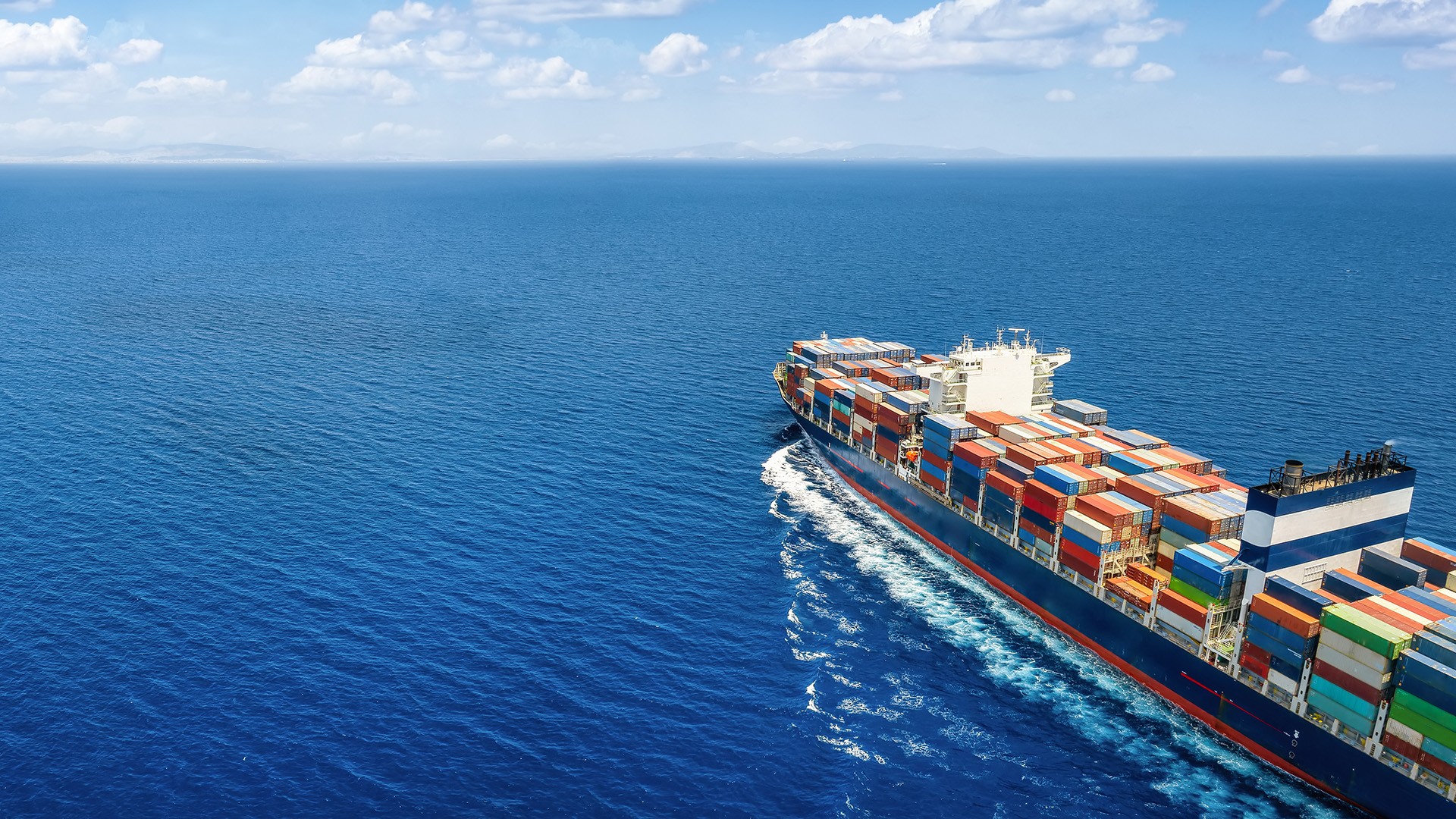
Kaja Kallas has urged EU member states to provide more ships and aircraft to Operation Aspides, warning that worsening security threats require more than the 10 warships originally assessed as necessary

Source: Lloyd's List

Related articles
Sea newsOman backs EU freedom of navigation pledge as Hormuz toll negotiations continue
Sea newsUAE gateway congestion drives Middle East cargo flow realignment

Sea newsAI will revolutionise shipping, but not without risk

Sea newsRed Sea crisis could have permanent effect on East-Mediterranean transhipments, says Malta Freeport

Sea newsChallenges facing ship recyclers in new and future locations

Sea newsRed Sea rerouting hits east Mediterranean transhipment hubs