
TRAFFIC through the Bab el Mandeb accelerated sharply in October as the return of mainline containerships gathered pace, even as renewed Houthi attacks underline the security risks confronting carriers restoring Red Sea services.
Lloyd’s List Intelligence data recorded 1,363 transits through the chokepoint in October, up 12.2% from 1,215 in September. In deadweight terms, traffic rose 17% month on month to 112.3m dwt.
Containerships accounted for almost all of that growth.
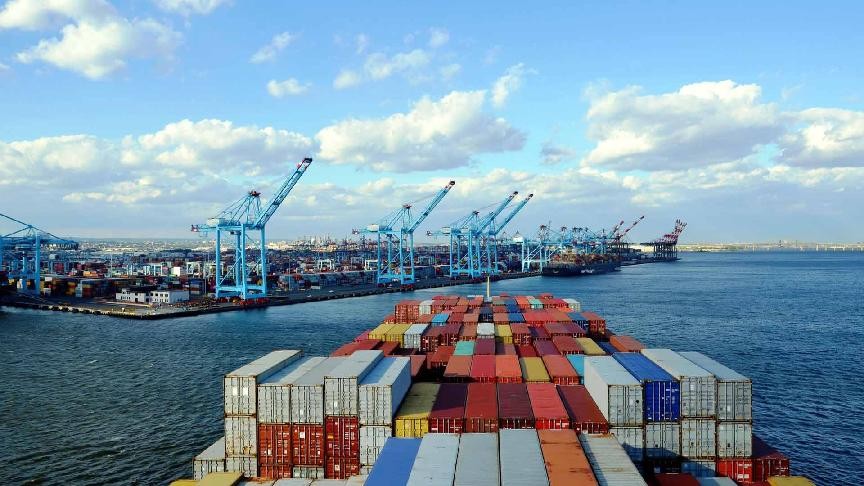
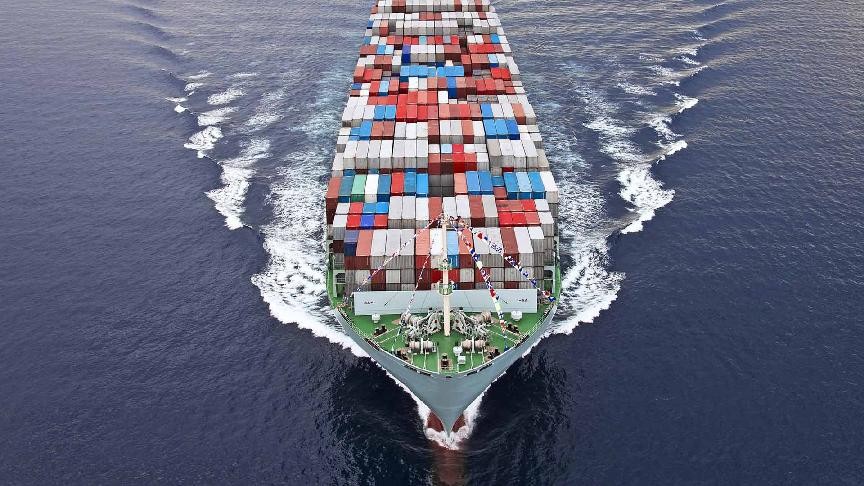
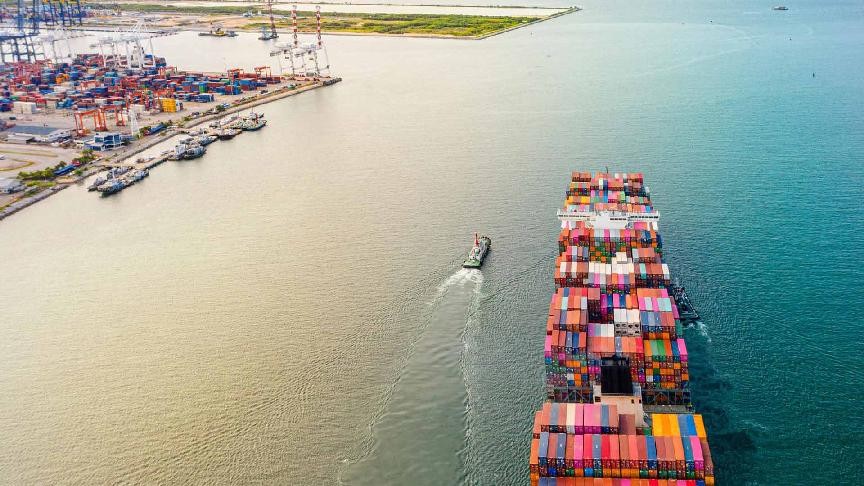
Boxship transits jumped 35% from 315 in September to 426 in October, accounting for 111 of the 148 additional passages and 89% of the increase in tonnage.
The recovery represents the clearest evidence yet that the liner sector’s return to the Red Sea is translating into sustained traffic through Bab el Mandeb, rather than simply increased Suez activity.
But it remains an opaque recovery.
Analysis of Lloyd’s List Intelligence vessel-tracking data suggests 212 of October’s 426 containership transits were made with AIS switched off. Those dark passages represented roughly three quarters of containership tonnage because they were disproportionately undertaken by larger mainline vessels.
Every identified MSC and CMA CGM passage was dark, as were 54 of Maersk’s 55 transits. Cosco and OOCL vessels, by contrast, sailed almost entirely with AIS transmitting.
Dark transits are inferred from gaps in AIS transmission rather than directly observed passages, meaning the figures are subject to retrospective revision as vessels reappear.
The proportion of containership passages made dark has risen from 18% in January to 50% in October, highlighting the tension between carriers’ commercial return to the shorter Red Sea routing and continuing concern over security.
MSC leads the return
MSC has been the most significant driver of the acceleration.
Its estimated transits rose from 19 in September to 77 in October, meaning the carrier alone accounted for 58 of the additional 111 containership passages.
Cosco and OOCL increased from six passages in September to 22, while Maersk and CMA CGM recorded approximately 55 and 60 respectively.
Those four carrier groups accounted for 214 transits during October, equivalent to about 70% of their October 2023 traffic.
Larger ships are also returning rapidly. Some 160 October transits involved containerships above 120,000 dwt, compared with just 12 a year earlier and 254 before the Red Sea crisis.
The trend is consistent with the rapidly accelerating restoration of liner networks through Suez. All three major alliances and MSC are expected to have restored significant parts of their Suez networks by early 2027, while Evergreen is preparing its first passages after an absence of almost three years.
Yet Bab el Mandeb data suggest the recovery remains some distance from complete.
October containership traffic reached 68% of October 2023 levels by vessel count and 59% by tonnage. Overall traffic remained 46% below October 2023 in tonnage terms despite rising 43% year on year.
A container recovery, not a fleet-wide return
Crucially, other vessel sectors are not following containerships back at anything like the same pace.
Excluding boxships, October traffic remained at only about 52% of pre-war levels by both vessel count and tonnage. Non-container traffic edged up from 900 to 937 transits during the month.
Bulk carrier passages have fallen from 402 in July to 302 in October and were down 16% year on year. LNG carriers remain effectively absent, with just one transit compared with 72 before the crisis, while LPG carrier traffic has fallen back towards zero.
Vehicle carriers are a notable exception, reaching 60 transits in October, their highest monthly total since December 2023.
The divergence also helps explain the different pictures presented by Suez and Bab el Mandeb data.
Suez recorded its busiest month since the Red Sea exodus in October, boosted by crude tankers, including Saudi barrels moving north from Yanbu and Russian crude trading south. Some of those flows reflect geopolitical dislocation rather than a broader restoration of normal Red Sea routing.
Bab el Mandeb instead shows a much more concentrated recovery, driven overwhelmingly by container shipping.
That recovery is now advancing against a deteriorating security backdrop.
The Saudi-led coalition said on Tuesday it intercepted missiles and a drone launched by the Houthis towards Saudi Arabia, including Riyadh and the oil-rich Eastern Province, while Houthi-run media reported Saudi air strikes on Sanaa. The latest exchanges follow an escalation after Houthi forces advanced towards Bab el Mandeb in September.
For liner operators, October therefore marks a significant acceleration rather than a return to normality.
Two thirds of pre-crisis containership traffic is back, the largest vessels are returning in growing numbers and scheduled network changes point to further increases.
But with half of those passages taking place without publicly visible AIS transmissions, the data also reveal how cautiously that return is being undertaken.