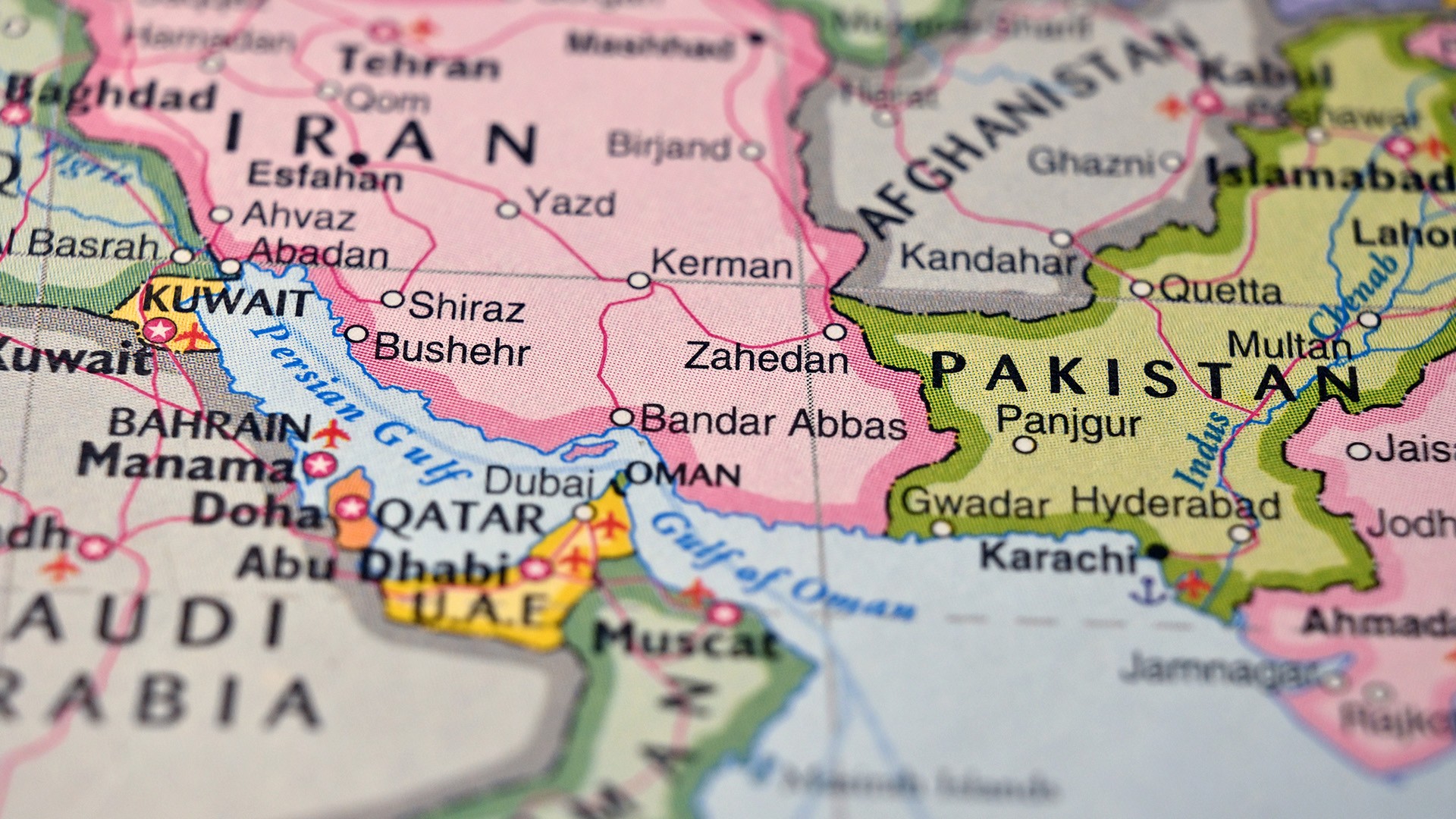

OMAN has backed a European Union-led campaign opposing tolls and other restrictions on shipping through international waterways, a move that strengthens international resistance to efforts to reshape navigation rights in the Strait of Hormuz and signals support for the principle of freedom of navigation as negotiations with Iran over the future administration of the waterway continue.
The EU announced this week that 60 countries have signed its “No Fees, No Tolls” pledge, committing themselves to oppose transit fees, discriminatory restrictions and other conditions on the passage of ships through straits used for international navigation.
While the initiative has attracted support from major maritime nations including the UK, Japan, Norway and Singapore, Oman’s signature stands out given its central role in talks with Iran over a future shipping regime for Hormuz.
The pledge goes beyond opposition to transit charges. Signatories agreed to oppose “unlawful fees, tolls, discriminatory restrictions, prior authorisation requirements or other conditions” that could impair lawful navigation through international straits.
That language aligns closely with growing international concerns that future arrangements for Hormuz could extend beyond fees to encompass controls over which ships are permitted to pass.
EU foreign policy chief Kaja Kallas described the initiative as a defence of international navigation rights under the UN Convention on the Law of the Sea.
“International navigation must remain open to everyone, not to whoever can pay,” she said. “This is a clear diplomatic signal to all those who seek to hijack waterways for their own gain.”
The significance of Oman’s endorsement lies less in the pledge itself than in what it may reveal about Muscat’s position in negotiations with Tehran.
Iran has repeatedly proposed various forms of payment linked to future navigation, security and environmental services in Hormuz. Iranian officials have also discussed broader plans for the future administration of the waterway, including traffic management arrangements and revenue-sharing mechanisms.
By signing a pledge that explicitly rejects not only fees but also “discriminatory restrictions” and “prior authorisation requirements”, Oman has aligned itself publicly with a rules-based interpretation of navigation rights rooted in UNCLOS.
Freedom of navigation
The move comes as draft European Council conclusions due to be discussed this week place freedom of navigation at the centre of the bloc’s response to Middle East maritime security concerns.
The draft text states that the EU “reiterates the vital need to ensure freedom of navigation and maritime security in accordance with international law and the United Nations Convention on the Law of the Sea”.
In a direct reference to Hormuz, the council also says it “strongly condemns any acts that threaten navigation or prevent commercial vessels from entering and exiting the Strait of Hormuz” and stresses that “any arrangement related to the Strait of Hormuz must be in line with international law and UNCLOS, and not limit freedom of navigation or alter its governance in any way”.
The diplomatic push comes as tanker attacks around Hormuz intensify and uncertainty continues to surround plans for a future Iran-Oman transit separation scheme.
For shipping, the issue has become larger than a debate over tolls. The growing concern among governments is that allowing fees, permit systems or discriminatory controls in one strategic chokepoint could establish precedents that ultimately reshape navigation rights across the world’s most important waterways.
As recent EU Council conclusions note, disruptions to freedom of navigation now risk “lasting disruptions to global supply chains”, underlining why the debate over Hormuz is increasingly being treated as a test case for the wider rules-based maritime order.