SAUDI ARABIA is seeking to establish a multinational maritime alliance for safe navigation in the Red Sea, Bab el-Mandeb Strait and Gulf of Aden as attacks on ships and ports escalate in the Middle East.
The country’s defence ministry said on Thursday that the proposed security framework is supported by several Gulf and Red Sea states, including Qatar, Kuwait, Egypt and Yemen, though no Western country or permanent UN Security Council member has joined.
Riyadh’s proposal came as Egypt confirmed an unclaimed drone attack on US-owned liquefied natural gas floating storage regasification unit Energos Winter (IMO: 9256614) and Bermuda-flagged LNG carrier Gaslog Salem (IMO: 9638915) at the port of Damietta, which risk a widening of threats against shipping to the north of the Red Sea.
However, the regional project has not formally launched. Its command structure, rules of engagement, funding, military assets and deployment arrangements appear to remain under discussion. No details have been released regarding participating warships, aircraft or surveillance capabilities.
The Saudi defence ministry didn’t name Houthis, Iran, piracy or any other specific threat it aims to address. The European Union attended the discussions but was not listed among the 14 supporters.
Maritime security has deteriorated in the Red Sea after Iran-backed Houthi rebel forces declared a naval blockade on Saudi Arabia. On Tuesday, Houthis claimed responsibility for last week’s attacks on two Saudi Arabian tankers, the Encelia (IMO: 9240172) and Layla (IMO: 9336098), for violating the embargo on the waters.
About 263 ships transited the Red Sea last week (July 20 to 26), down from 354 in the previous week, according to preliminary Lloyd’s List vessel-tracking data, which are likely to rerise upwards as more dark transits are identified.
The data points to early changes in operator behaviour, rather than an industry-wide withdrawal, as 225 traceable Red Sea transits were recorded during the period, down from the weekly average figure of 268 from April to pre-Houthi blockade
In response to renewed Houthi attacks, marine insurers expanded the designated high-risk zone in the Red Sea on Thursday, moving the upper limit 833 km north from latitude 18°N to 25.5°N, excluding Egyptian territorial waters.
The expansion made all calls to Jeddah Islamic Port, King Abdullah Port and Yanbu subject to immediate additional premiums on top of standard annual hull war policies, including those made by vessels routing through the Suez Canal.
Several insurers are now turning down Saudi-nexus business, although exceptions were being made for established clients, Lloyd’s List reported on Thursday.
Meanwhile, Houthi blockade threat is already reshaping Saudi oil flows.
At least three very large crude carriers loading at Yanbu are taking partial cargoes or reducing draught at Ain Sukhna before transiting the Suez Canal. Notably, VLCC arrivals at Ain Sukhna from Yanbu doubled from two in the week of June 29 to four in the previous week, Lloyd’s List Intelligence data show.
The three VLCCs appear likely to reload missing volumes at Sidi Kerir before continuing, potentially to Asia via the Cape of Good Hope.
The workaround allows Saudi crude to keep moving but adds distance, costs and tonne-mile demand, supporting tanker freight rates. Saudi Arabia may consequently need to widen discounts to preserve crude flows to Asian buyers.
The 14 countries that pledged support for the Saudi-led alliance are as follows:
The Kingdom of Saudi Arabia
The State of Kuwait
The Kingdom of Bahrain
The State of Qatar
The Islamic Republic of Pakistan
The Republic of Türkiye
The Arab Republic of Egypt
The Hashemite Kingdom of Jordan
The Republic of Yemen
The People’s Republic of Bangladesh
The Federal Republic of Nigeria
The Republic of the Sudan
The Republic of Djibouti
The Federal Republic of Somalia
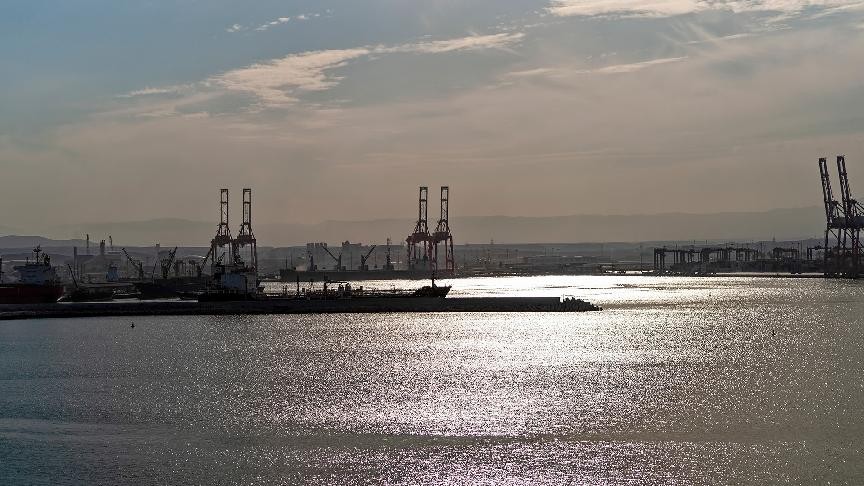
Saudi Arabia pushes naval alliance as Red Sea risks spread north
The proposed Saudi-led alliance would cover the Red Sea, Bab el-Mandeb Strait and Gulf of Aden, although key details remain under discussion
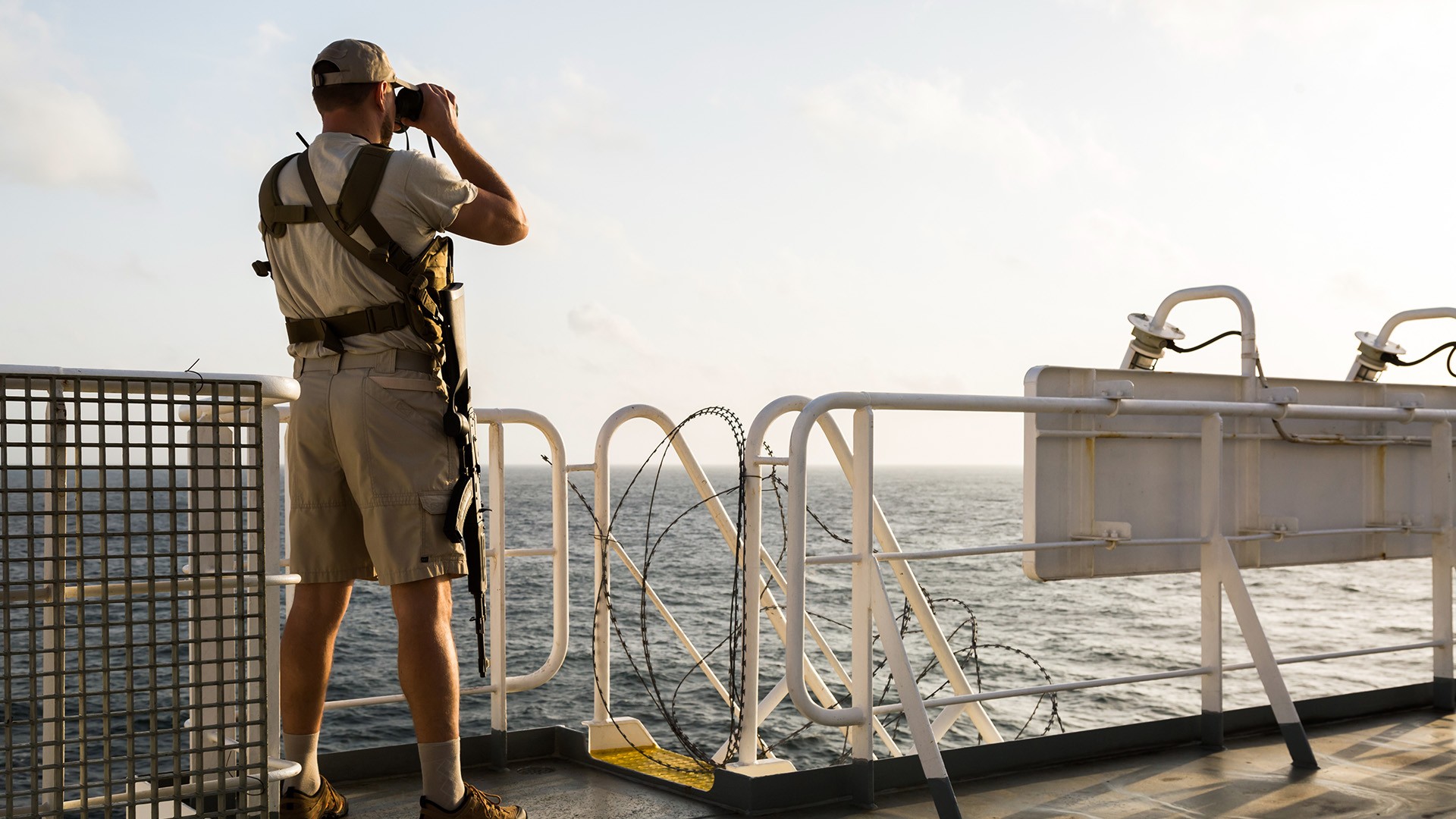

Source: Lloyd's List

Related articles
Sea newsPanama Canal reinstates last-minute slots as transits increase again
Sea newsHouthi warning broadens pressure on Red Sea-linked shipping
Sea newsHouthis have discussed implementing Red Sea tolls, says UK security firm

Sea newsUS claims right to seize Iran-linked vessels anywhere beyond neutral waters

Sea newsRed Sea rerouting prompts recalibration of Saudi trade
Sea newsAPMT to remain in Salalah despite end of concession