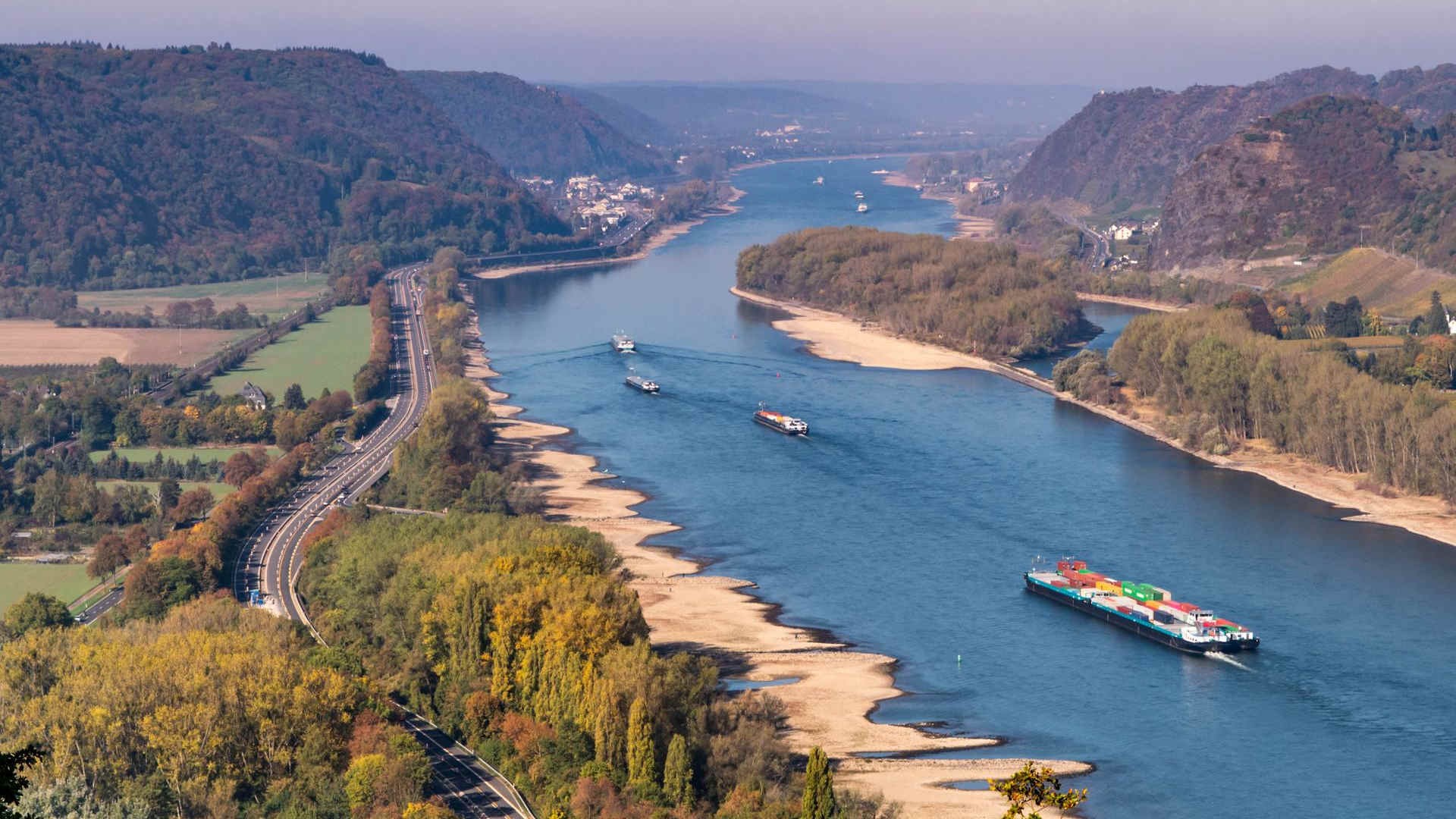

Exceptionally low water levels on two of Europe’s most important inland waterways, the Rhine and the Danube, are disrupting commercial shipping and constraining logistics operations during the busy summer period.
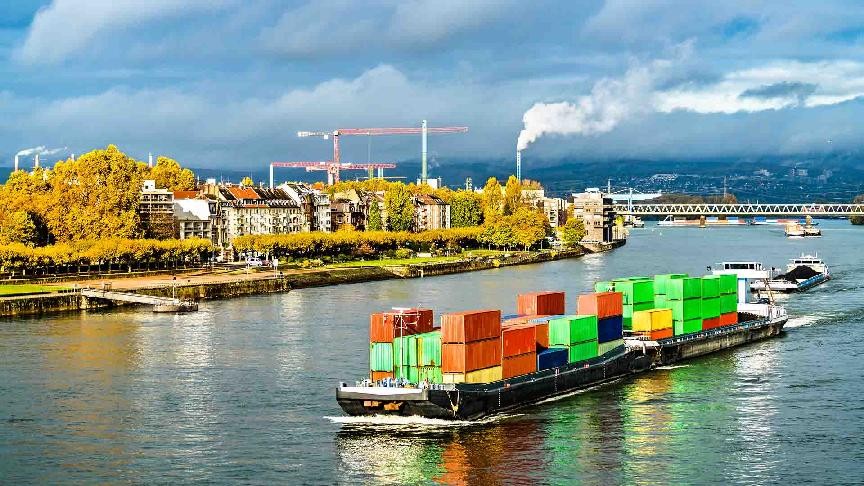
On Germany’s Rhine River, continued hot, dry weather has again lowered water levels, particularly at the critical Kaub gauge, one of the river’s main navigation bottlenecks. According to German inland navigation authorities, navigable depth at Kaub fell to 63 cm, limiting the loading capacity of many cargo vessels and forcing operators to sail with significantly reduced loads.
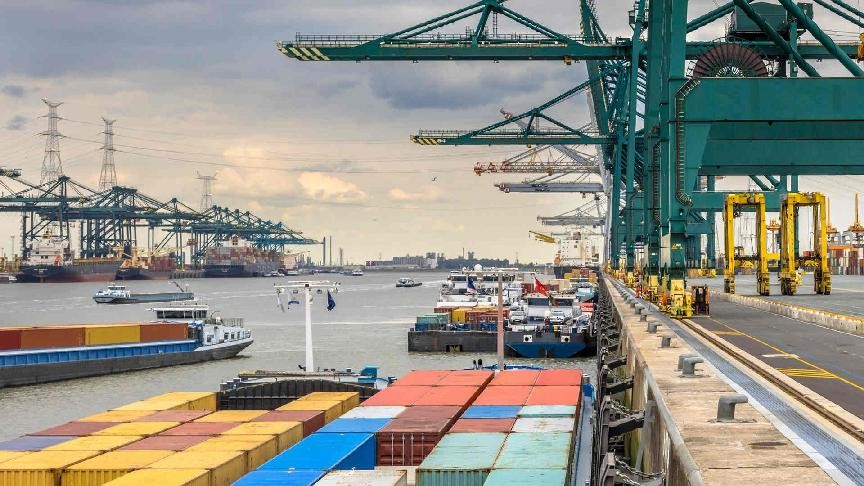
While shipping services continue, barges on some stretches of the river are carrying only a fraction of their normal cargo volumes. The Rhine is a vital freight corridor connecting Rotterdam and Antwerp with industrial regions in Germany, France and Switzerland. It plays a key role in transporting containerised cargo and commodities like grain, minerals, ores, coal, and petroleum products.
At the same time, conditions on the Danube have deteriorated sharply. In Romania, water levels recently fell to their lowest point since 1996 following several weeks of intense heat and drought. Reduced river flow has exposed large sandbanks, disrupted ferry operations and delayed cargo movements as barges wait for sufficient draft.
Authorities across the region continue to closely monitor conditions. Weather forecasts indicate some rainfall in parts of Central Europe over the coming days, which could provide temporary relief.
However, industry observers warn that prolonged periods of extreme heat and drought are becoming increasingly common, raising concerns that low-water disruptions may become a more frequent challenge for European inland shipping networks.
The latest developments highlight the growing vulnerability of critical transport infrastructure to extreme weather events and underline the importance of maintaining resilient supply chains across Europe’s inland waterways.