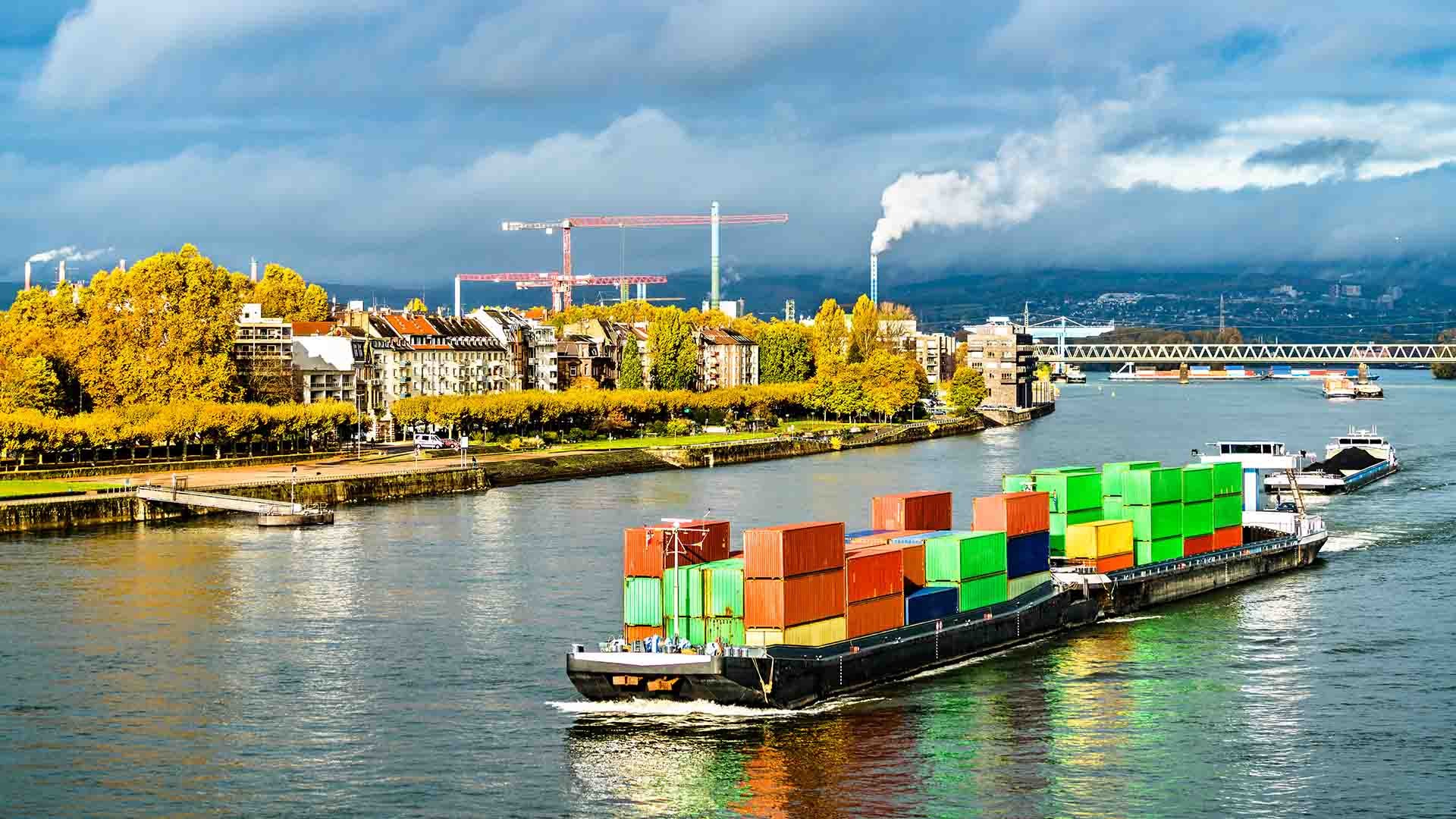

Transport networks linked to the Rhine are facing mounting strain as exceptionally low water levels coincide with infrastructure works on key rail routes.
Last week, the River Rhine reached record-low levels at several locations in Germany and the Netherlands, with levels reported to be lower than at any point since records began, especially in Cologne and Lobith.
Kuehne+Nagel reports that cargo transport in Switzerland is also experiencing significant operational difficulties as a ripple effect, leading to high additional costs across the affected network.
As the heatwave conditions in Europe remain, the situation continues to worsen.
Conditions are expected to remain challenging over the coming days. Forecasts indicate that water levels at Kaub will remain extremely low, ranging between 21 cm and 27 cm through 08 August.
Low readings are also expected at Emmerich and Ruhrort, suggesting that restrictions on navigation and vessel loading capacity are likely to persist across key sections of the river.
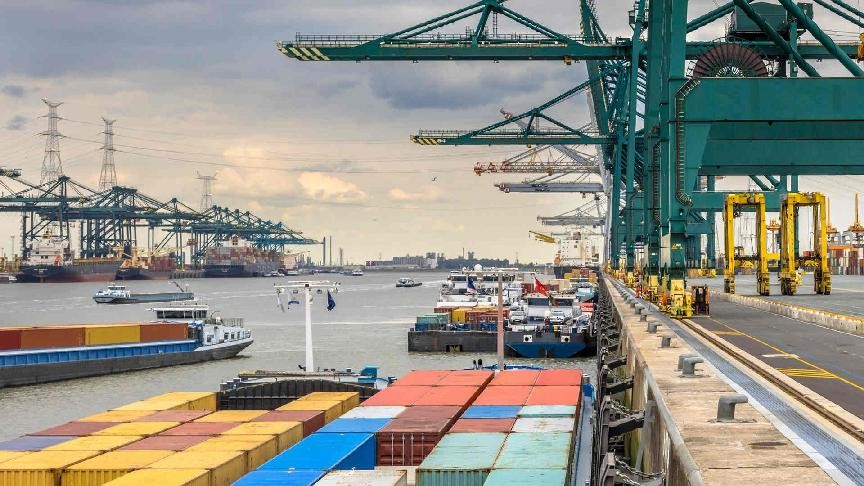
As a result, inland vessel operations are likely to remain affected, with some vessels unable to navigate certain shallow sections and others limited to carrying only a fraction of their normal loads.
Rail and trucking strain the network further
Adding to the challenges are the corridor renewal works on the railway line between Troisdorf and Wiesbaden in Germany, which are reducing available rail capacity.
The route is an important freight corridor connecting inland regions with European seaports, and diversions linked to the works have restricted rail transport options.
The overlap of rail works and low-water conditions means that lost inland shipping capacity cannot be offset quickly through additional rail services.
Intermodal operators are navigating the situation with multiple solutions, including operating additional barges, expanding direct trucking solutions and increasing alternative rail and feeder connections to support transport operations.
However, alternative transport options remain constrained, especially with the shortage of truck drivers, which is limiting the ability of road transport to compensate for reduced capacity elsewhere, particularly in the south-west of Germany.
For more information about how this impacts your shipment, please contact your local Kuehne+Nagel representative.