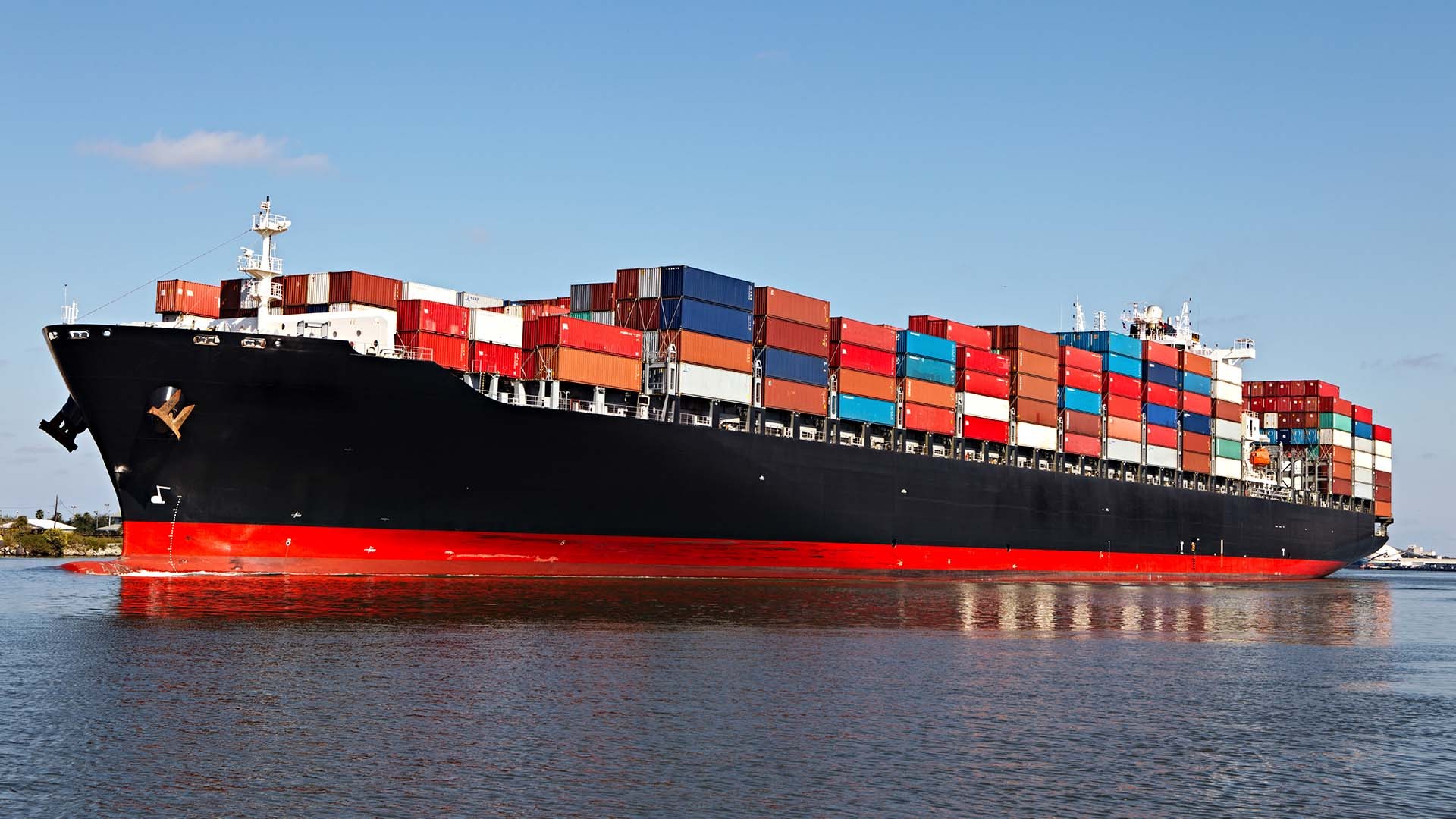
COMMERCIAL traffic continued to move through the Strait of Hormuz over the weekend despite repeated Iranian claims that it had closed the waterway in response to what it described as Israeli violations of a ceasefire.
Several vessels appeared to abort or delay transits after the Iranian Revolutionary Guard Corps broadcast warnings that the strait was shut. However, many others proceeded, using both the Iranian approved northern corridor and the US protected southern route.
Iranian tankers have also continued to sail. At least 15 Iran flagged suezmaxes and VLCCs were outbound from the Gulf of Oman with AIS signals active as of Saturday night.
Tehran first announced on Friday that it had closed the strait to shipping, a threat reinforced on Saturday through IRGC radio messages warning of action against” non compliant” vessels.
The closure order came as US Iran talks on a permanent ceasefire were due to begin Sunday in Switzerland, with senior officials including US Vice President JD Vance expected to attend.
The status of the talks grew increasingly uncertain as Washington and Tehran traded threats over potential shipping tolls once the initial 60 day ceasefire window expires.
On Friday, Iran introduced a mandatory insurance requirement for all vessels transiting the strait, directing shipowners to obtain coverage approved — and initially offered free — by the newly created Persian Gulf Strait Authority. Tehran has indicated charges may follow after the 60 day period.
In response, US President Donald Trump warned that the United States could impose its own tolls if no agreement is reached.
“There will be NO TOLLS in the Hormuz Strait for 60 days during the Cease Fire Period, and there will be NO TOLLS after the 60 day period has expired, unless they are imposed by and for the United States of America…,” he wrote on Truth Social.
Meanwhile, the security environment in the strait continues to shift rapidly.
Security operators report that several commercial vessels operating outside the Iranian designated corridor have altered course or executed U turns after approaching the area, underscoring the immediate operational impact of Iran’s announcements.
The Strait of Hormuz remains a high risk transit zone, with navigational freedom increasingly shaped by political and military dynamics. The reported requirement to follow an Iranian approved routing scheme represents a significant operational constraint for shipowners and masters and could amount to a de facto traffic management regime enforced by Iranian authorities.
Even without clear enforcement, heightened risk perceptions are already influencing commercial decisions, insurance costs, and crew willingness to transit. War risk premiums and delays are expected to remain elevated until there is sustained de escalation and internationally recognised transit procedures.
Diplomatic efforts continue, with reports of high level engagement between Washington and Israel on the situation in Lebanon and the broader ceasefire framework. But developments on the ground are directly affecting the maritime domain and could rapidly reshape operating conditions.
Tentative Strait of Hormuz transits continue despite Iranian closure and toll threats
US could charge tolls on Strait of Hormuz for 'Guardian Angel’ service, threatens Trump in response to Iran’s insurance and toll scheme

Source: Lloyd's List

Related articles
Sea newsSuez recovery gathers pace, but sector split points to limits ahead
Sea newsOman backs EU freedom of navigation pledge as Hormuz toll negotiations continue

Sea newsFuel-cost protests disrupt transportation across southern Italy
Sea newsFire breaks out aboard Espirito Santo Express en route to Santos
Sea newsMalaysia forum floats transit levy for Strait of Malacca as funding debate resurfaces
Sea newsSaudi Arabia pushes naval alliance as Red Sea risks spread north