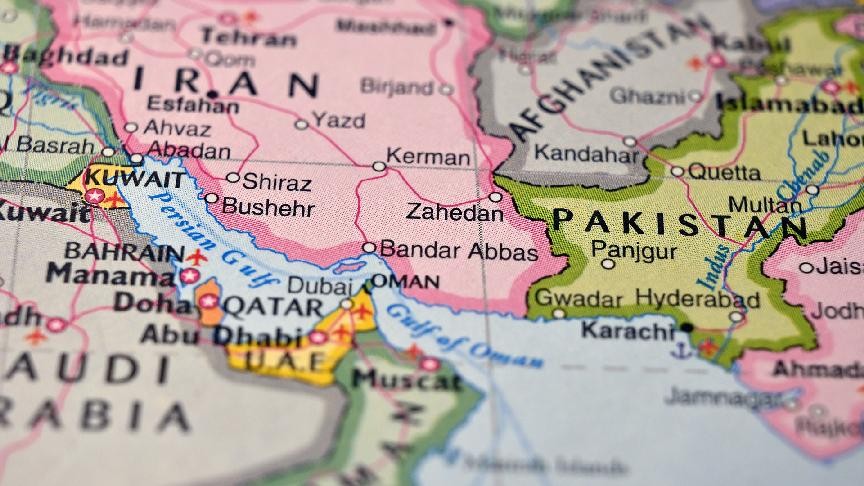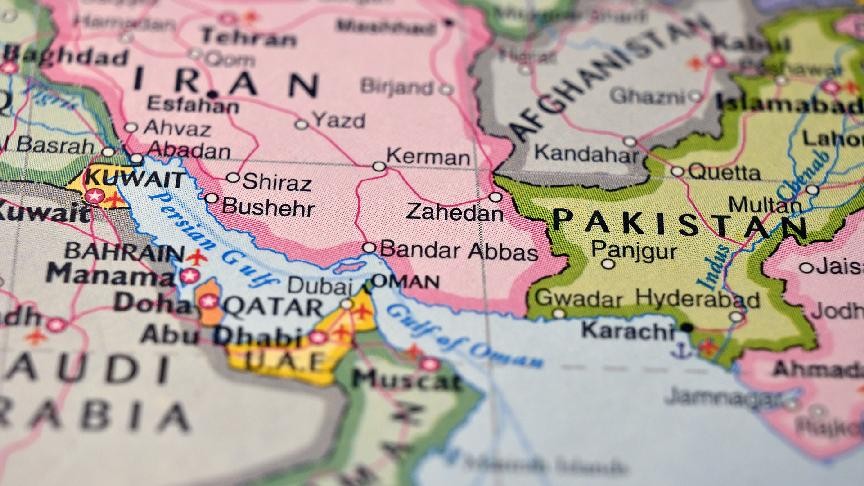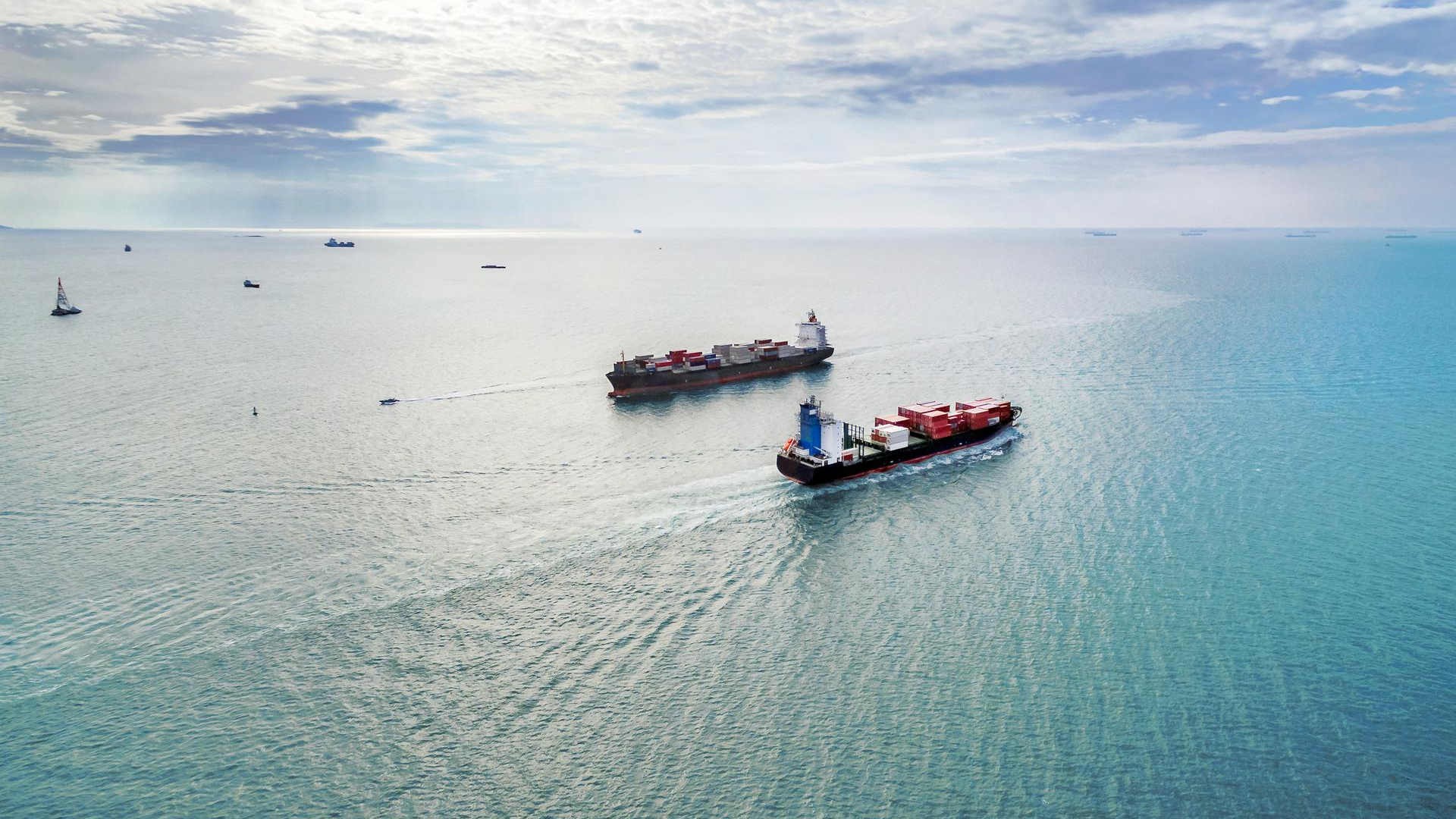

A short while after the US ceased its attacks against Iran this week, renewed military activity between the two countries brought back further uncertainty around shipping movements through the Strait of Hormuz.
On Tuesday, 28 July 2026, reports from the US Central Command indicated that Iran carried out a surprise ballistic missile attack against American forces.
Other countries in the region have also reported intercepting Iranian missiles targeted at US bases located on their land.
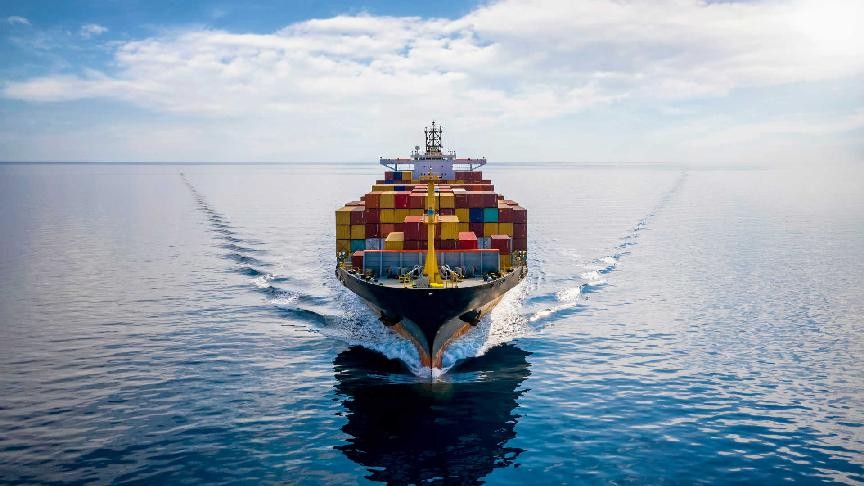
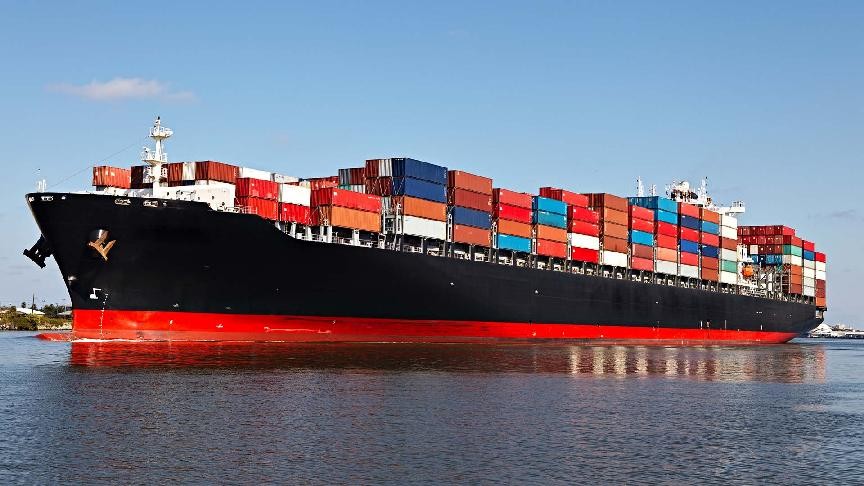
Iranian officials have themselves announced that the Islamic Revolutionary Guard Corps struck and halted three oil tankers in the Strait of Hormuz. Tehran said the vessels had ignored warnings and travelled along what it described as an unsafe route.
Attempts at regulating Hormuz transits
Meanwhile, media channels circulated news about a plan proposed by Oman intended to support trade stability during the US-Iran conflict based on the Strait of Malacca model.
According to Lloyd's List, the proposal suggests a shared governance framework under which users of the strait would make voluntary contributions to fund navigation services.
Backed by other Gulf states, the initiative would allow Iran to collect voluntary payments from ships transiting the strait. It also proposes that Oman would oversee part of the traffic in one direction, while Iran would manage traffic on its side of the waterway.
However, discussions remain unresolved with news circulating that Iran rejected Oman's proposal, saying it would limit its oversight role. Instead, Iran seeks one shipping lane entirely within its territorial waters, with part of a second lane also falling under its jurisdiction.
The United States continues to oppose any form of transit fee and supports a return to unrestricted passage without payments.