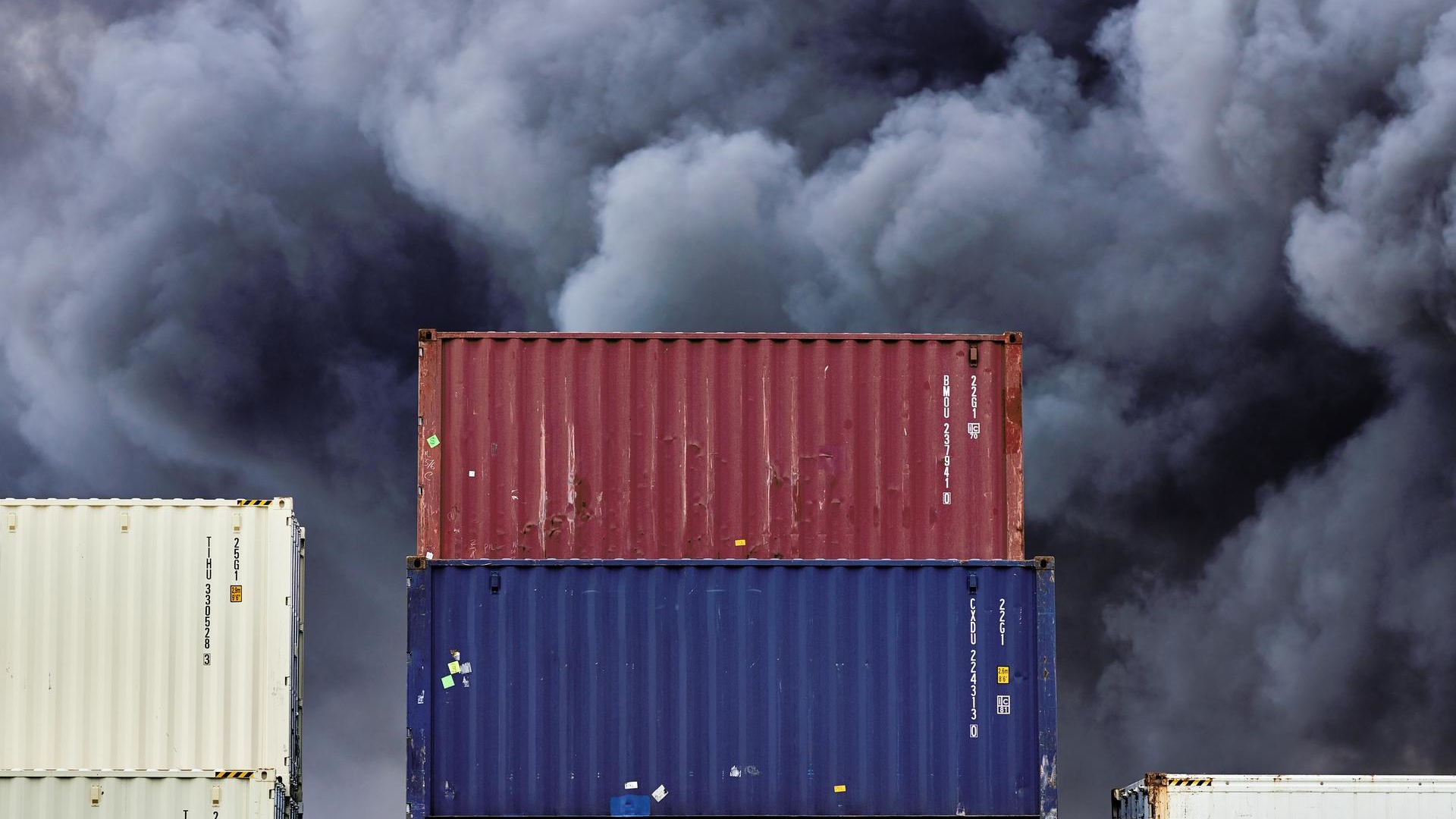

THE US launched its third round of missile strikes against Iran this week after Tehran struck a Cyprus-flagged container ship transiting the Strait of Hormuz and declared the waterway closed.
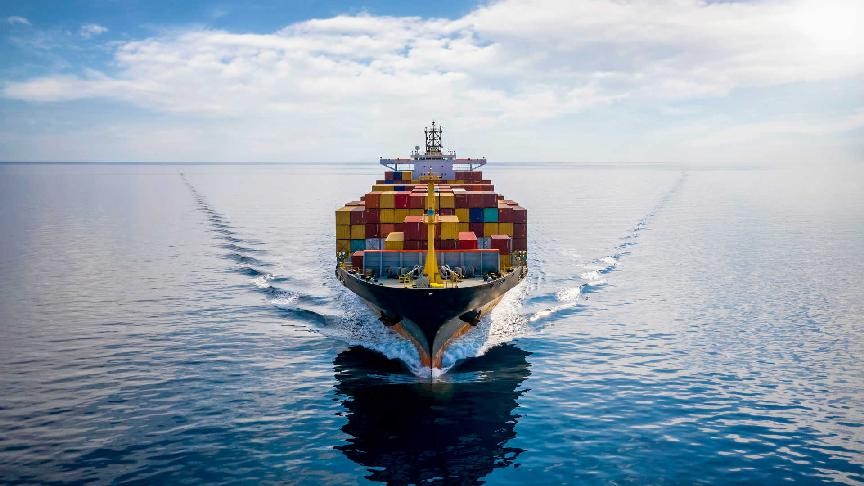
At 2240 UTC on July 11, the UAE-owned container ship GFS Galaxy (IMO: 9401271) was struck by an unidentified projectile about nine nautical miles east of Oman, according to the UK Maritime Trade Operations Centre (UKMTO).
The strike damaged the vessel's stern, causing extensive engine room damage and a fire. The crew abandoned ship in a lifeboat. While US Central Command (Centcom) initially reported one crew member missing, Lloyd's List understands that all crew had been accounted for and were unharmed by Sunday morning.
GFS Galaxy is beneficially owned by AD Ports Group and operated by UAE-based Global Feeder Shipping. The vessel had departed Jebel Ali and was transiting eastbound through the Strait of Hormuz with its AIS switched off.
The incident marks the fourth Iranian attack on a commercial vessel in the Strait of Hormuz since July 6. Earlier attacks targeted the Marshall Islands-flagged LNG carrier Al Rekayyat (IMO: 9397339) and the Saudi Arabia-flagged crude tanker Wedyan (IMO: 9524970) on July 6, followed by the Liberia-flagged Cyprus Prosperity (IMO: 9595216) on July 7.
Following the latest attack, Iran said it had again "closed" the strait after firing what it described as a "warning shot" at a vessel using an unauthorised route.
The waterway will remain closed until "the end of US interference in this region", Iran's Revolutionary Guards said.
Centcom, however, said commercial traffic continued to transit the waterway despite the escalating exchange of missile strikes between the US and Iran.
The US military struck around 140 Iranian targets using fighter aircraft, drones and warships in what Centcom described as its largest operation of the week. Targets included missile and drone sites, naval assets, ammunition depots, communications infrastructure and coastal surveillance facilities.
A threat assessment issued by the Combined Maritime Forces Joint Information Centre (JMIC) immediately raised the maritime security threat level in the Strait of Hormuz to "Severe", while stressing that transits remain possible.
"Despite the July 12, 2026 Iranian proclamation that the Strait of Hormuz is closed, the southern route remains available," the assessment said.
JMIC repeated earlier advice for vessels to disregard Iranian radio warnings and reports of mines, and to coordinate transits with US forces when using the southern route close to Oman's coast.
Iran announced on Saturday that the strait would remain "closed until further notice and until the end of US interference in the region", adding that no vessels would be permitted to transit.
The Revolutionary Guards said the decision followed an incident in which several vessels, "encouraged by foreign actors", attempted to use an "unauthorised route" after ignoring instructions to follow the approved shipping lane.
The announcement came after Iranian and Omani officials met in Muscat to discuss management of shipping through the strait.
Iranian foreign ministry spokesperson Ismail Baghaei said the talks covered "ensuring the security and safety of shipping in the Strait of Hormuz, while respecting the sovereign rights of the two coastal countries and applicable international law, as well as the provisions of Article 5 of the Islamabad Memorandum of Understanding."
He added that "future arrangements for managing traffic in the Strait of Hormuz should be carried out in consultation between the two coastal countries, taking into account developments over the past few months, especially the war imposed by the US-Zionist regime and its security consequences for shipping."
Article 5, which guarantees safe passage for commercial shipping through the Strait of Hormuz, also provides that Iran will not levy transit charges for 60 days. Following US President Donald Trump's declaration that the US-Iran ceasefire was "over", Tehran has revived the issue of transit tolls as negotiations continue despite the latest strikes.
Iran and Oman agreed on Saturday to continue political, technical and legal discussions aimed at reaching a common framework for maintaining shipping security in the Strait of Hormuz.
Iranian state media later reported explosions in several port cities.
The Islamic Revolutionary Guard Corps (IRGC) said it had destroyed a command-and-control centre and drone hangars in Jordan, targeted a US radar installation in Kuwait, attacked US carrier support and refuelling facilities in Oman, and struck a jet maintenance centre and command facility in Qatar.
The United Arab Emirates said its air defences intercepted Iranian missiles and drones, while warning sirens sounded in Bahrain and explosions were reported in Doha. The UAE's National Emergency Crisis and Disaster Management Authority later said the missile threats detected earlier in the day had remained outside the country's borders