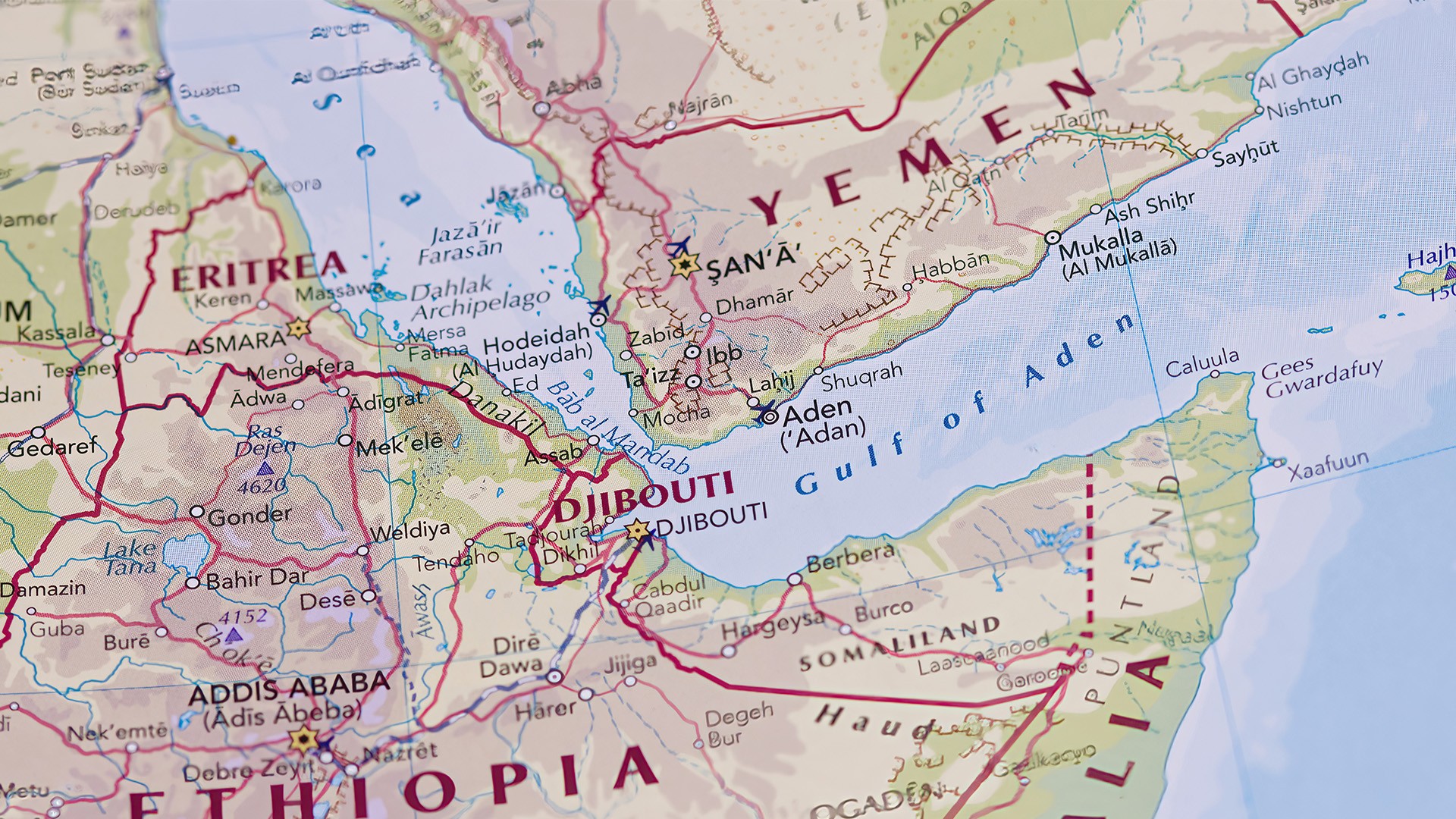

IRAN-backed rebel forces Houthis have announced a “complete and total ban” of Israeli ships in the Red Sea, after Israel and Iran exchanged direct military strikes for the first time since a fragile ceasefire was announced in April, escalating maritime tensions in the Middle East.
Houthi spokesman Yahya Saree posted on X that the militia will consider all Israeli vessels moving in the Red Sea as “legitimate military targets”, vowing to intensify operations and retaliate, after launching a missile barrage at Israeli targets in Yaffa.
The announcement has fuelled concerns that the more than 230-day lull in Houthi attacks on commercial shipping may soon come to an end.
Earlier on Monday, the Israel Defense Forces said it had struck military targets in western and central Iran in retaliation for Tehran’s ballistic missile attacks on Israel, just hours after US President Donald Trump told media he would direct Israeli Prime Minister Benjamin Netanyahu not to retaliate.
The renewed hostilities continue to heighten maritime tensions and disrupt cargo flows at the Strait of Hormuz.
Iran said its strikes on Israeli targets were partly in response to US attacks on Iranian vessels over the past two weeks. The escalation follows the US interdiction of the sanctioned, stateless crude oil tanker Davina (IMO: 9259367) in the Indian Ocean on Friday.
“We will continue global maritime enforcement to disrupt illicit networks and interdict vessels providing material support to Iran, wherever they operate,” US Indo-Pacific Command said in a post on X on Friday.
The 2004-built Davina has been under US sanctions since October 2024 for allegedly trading Iranian oil.
Lloyd’s List Intelligence vessel tracking data shows Davina, now partially laden, departed from Fujairah outer port limits in the United Arab Emirates on 23 March and reached Galle Anchorage in Sri Lanka on Friday.
According to Lloyd’s List Intelligence casualty reports, the vessel’s draft at the time of interception suggested it was nearly fully laden with an oil cargo.
The US military has imposed a naval blockade on Iranian maritime trade since mid-April, intercepting and diverting about 130 commercial vessels attempting to enter or leave Iran and disabling several non-compliant tankers.
Vortexa data shows Iran’s crude oil exports fell by more than 80% in May compared with April, even as vessel tracking indicates some Iranian ships have still managed to evade the blockade.
The Trump administration is attempting to mediate the crisis, making clear it does not want the Middle East to descend into prolonged conflict and pressing all parties to return to the negotiating table.
However, talks face significant hurdles, with Tehran demanding a complete lifting of the maritime blockade and a halt to military operations in Lebanon as preconditions, while Washington insists Iran must first abandon its nuclear-related activities.