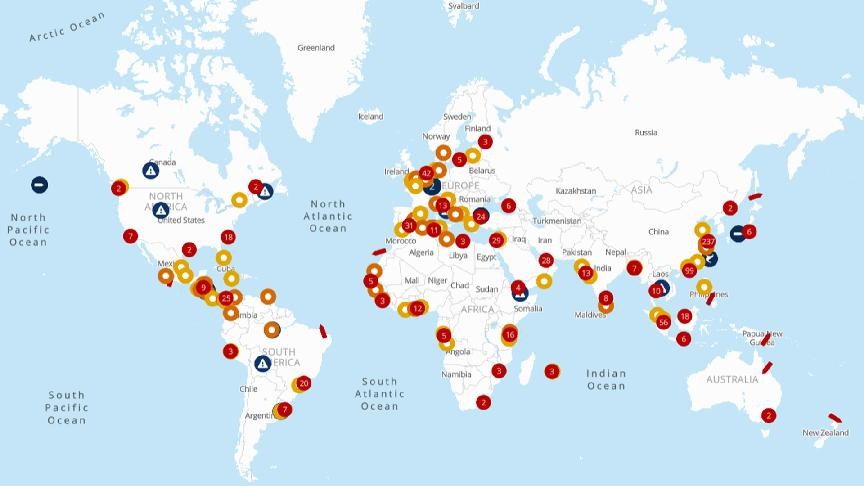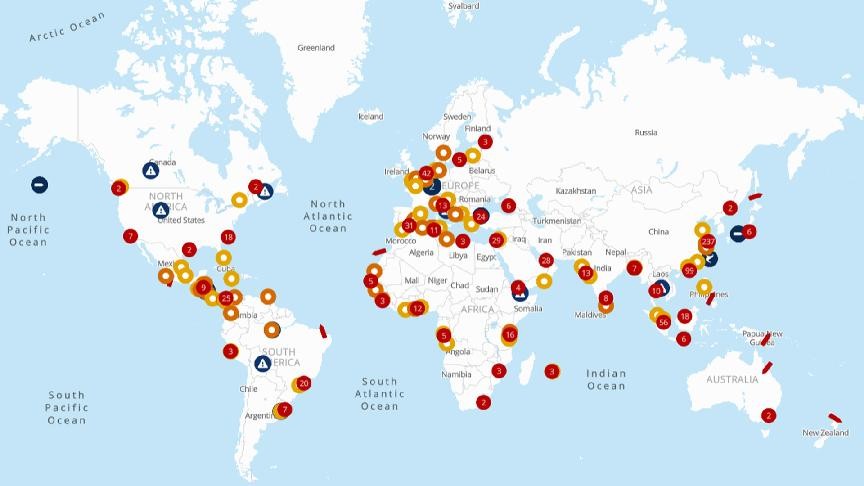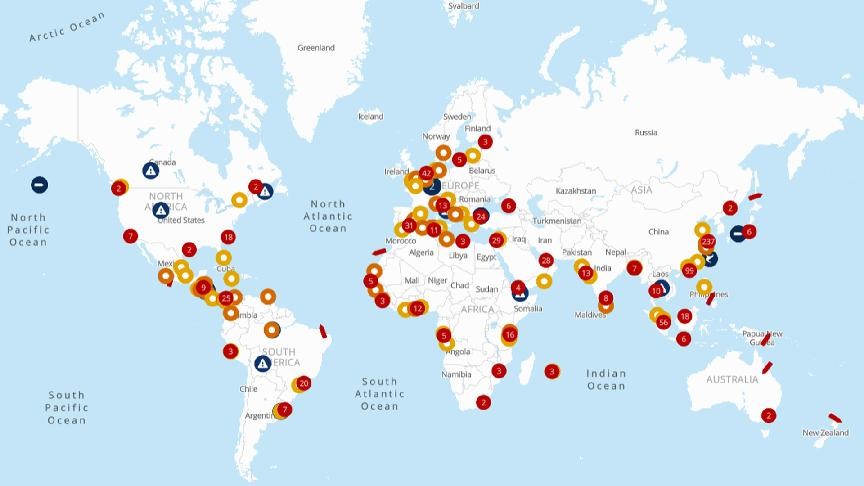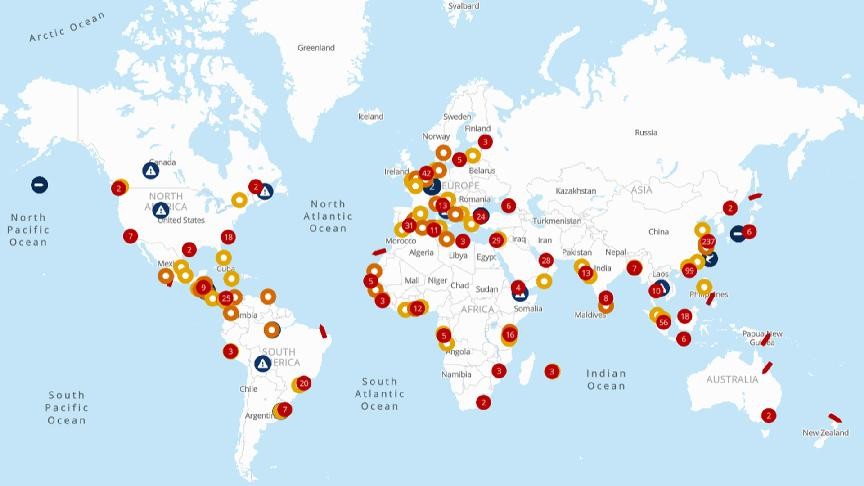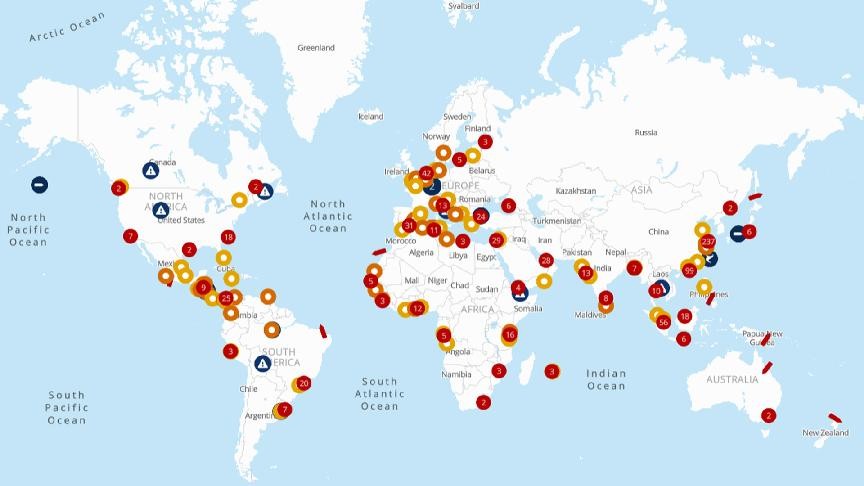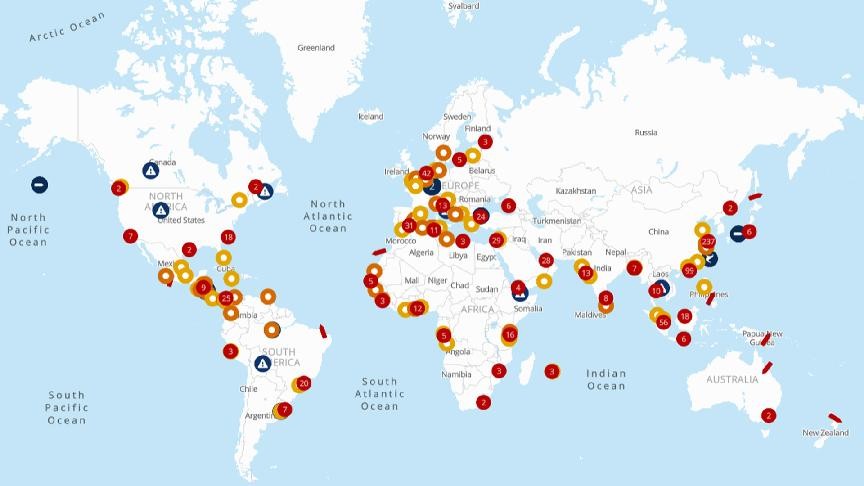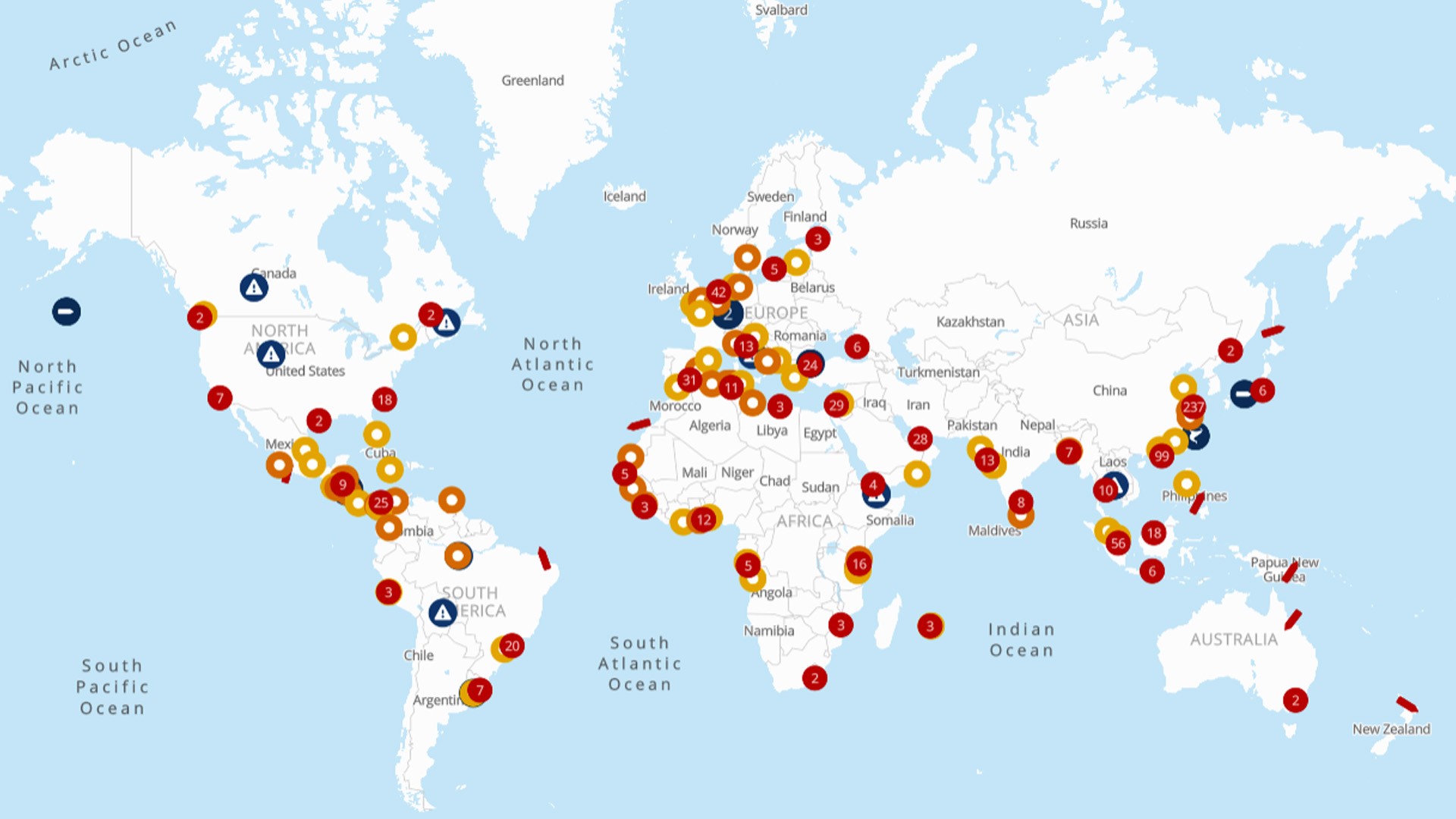

- Stay ahead of supply chain disruptions and port congestion with Kuehne+Nagel’s weekly port operational update.
- Find out the latest vessel waiting times and status of ports in Africa, Asia Oceania, Europe, Middle East-Indian Subcontinent, North America, and South and Central America.
Africa
Ghana
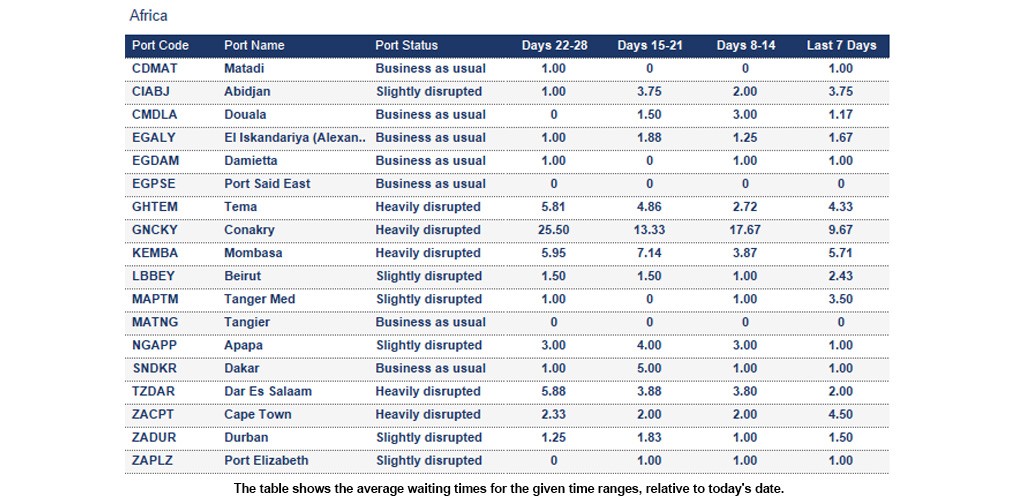
Tema: The 7-day average vessel waiting time is around 4.33 days. The terminal is experiencing crane outages. Berthing delays for window vessels extend up to 36 hours, while non‑window vessels are subject to berth availability. The terminal is operating under strict pro‑forma move limits.
Kenya
Mombasa: The 7-day average vessel waiting time is around 5.71 days. The terminal is experiencing prolonged congestion and reduced productivity due to equipment shortages and high transhipment volumes. Berth delays are further compounded by vessel bunching caused by off-window arrivals.
Morocco
Casablanca: The 7-day average vessel waiting time is around 8.44 days. Port and yard conditions remain congested; however, operations are continuing smoothly.
Nigeria
Apapa: Operational slowdowns over the coming weeks due to adverse weather conditions are anticipated.
Tincan/Lagos: Operational slowdowns over the coming weeks due to adverse weather conditions are anticipated.
South Africa
Cape Town: The 7-day average vessel waiting time is around 4.5 days. Strong winds continue to disrupt port operations on inbound, as well as outbound services. Significant delays are currently being experienced, especially at CTCT.
Durban: The 7-day average vessel waiting time is around 1.5 days. High winds disrupted operations in week 7. Operational challenges continue at Pier 1, resulting in extended waiting times.
Port Elizabeth: The 7-day average vessel waiting time is around 1 day. Port operations are smooth; however strong winds may impact operations. PECT: Service maintenance is planned to take place from 19 January through to the end of March 2026.
Asia Oceania
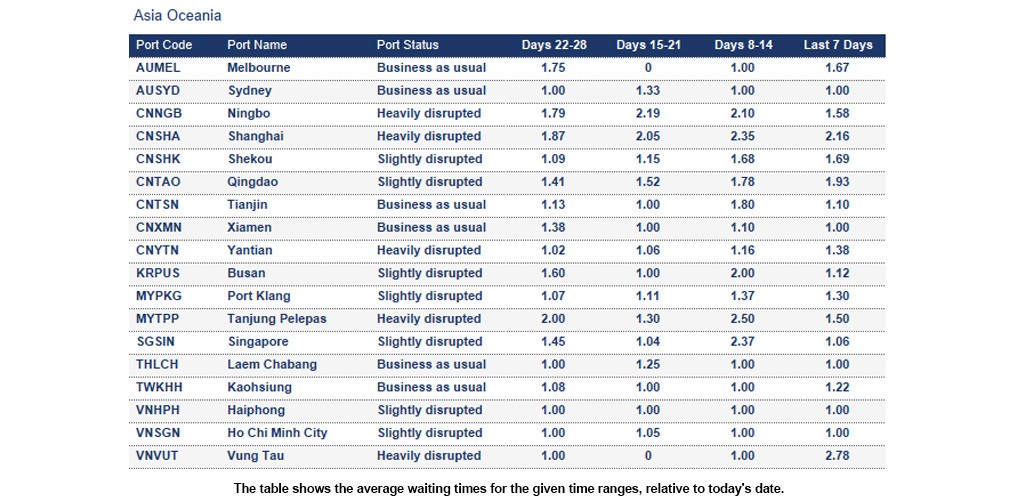
Several countries in Asia, including China, South Korea, Taiwan, the Philippines, and Vietnam, will suspend port operations during the Lunar New Year, which will be observed from 16 to 19 February in most of the region. Due to the holiday, manpower shortages persist, resulting in reduced vessel productivity and longer port stays.
China
Nansha: The 7-day average vessel waiting time is around 1.57 days. Yard occupancy stands at 85%, with the port currently experiencing very high yard density. Vessels with large discharge volumes are facing extended berth waiting times; however, yard density is expected to ease significantly over the next two days.
Ningbo: The 7-day average vessel waiting time is around 1.58 days. Yard occupancy stands at 85% at the MSICT terminal and approximately 79% at other terminals. Reefer utilisation at MSICT remains high at around 80%. Yard density is expected to face challenges related to empty container availability in the coming weeks.
Shanghai: The 7-day average vessel waiting time is around 2.16 days. For terminals, yard occupancy stands at 82% at WGQ and 85% at YS12, with reefer utilisation at 22% at YS12. WGQ2 is experiencing waiting times of up to five days, mainly driven by intensive mainliner arrivals and increased cargo volumes ahead of the Chinese New Year. At YS12, congestion has remained stable with average waiting times of 1.5–2 days over the past and current week, reflecting normal conditions under the existing terminal layout. Strong winds of Beaufort scale 8–9 are forecast for the 23rd and 24th.
Shekou: The 7-day average vessel waiting time is around 1.69 days. Yard occupancy stands at 97%. The port is experiencing severe yard congestion, with vessels carrying large discharge volumes facing extended berth waiting times. Yard density is expected to ease over the next two days. Manpower shortages during the holiday period continue to impact productivity and extend port stays.
Yantian: The 7-day average vessel waiting time is around 1.38 days. Yard occupancy stands at 81%. The port is currently experiencing very high yard density, and vessels with large discharge volumes are facing extended berth waiting times. Yard density is, however, expected to decrease significantly over the next two days.
Malaysia
Port Klang: The 7-day average vessel waiting time is around 1.3 days. The overall situation in WP stabilised in Week 08, with general waiting times of approximately 0.5–1 day.
Tanjung Pelepas: The 7-day average vessel waiting time is around 1.5 days. The berthing situation and congestion levels remain dynamic. During Weeks 10–11, Berth 4 (approximately 300 metres) will be unavailable for a period of seven days due to the delivery and installation of new quay cranes.
South Korea
Busan: The 7-day average vessel waiting time is around 1.12 days. At the BNCT terminal, laden yard density stands at approximately 82%, with CMA transhipment inventory at around 12.3k TEUs. Heavy berth congestion persisted in Week 08, with average waiting times of around one day, mainly driven by a 24‑hour operational suspension during the Lunar New Year holiday and heavy vessel bunching.
Europe
Belgium
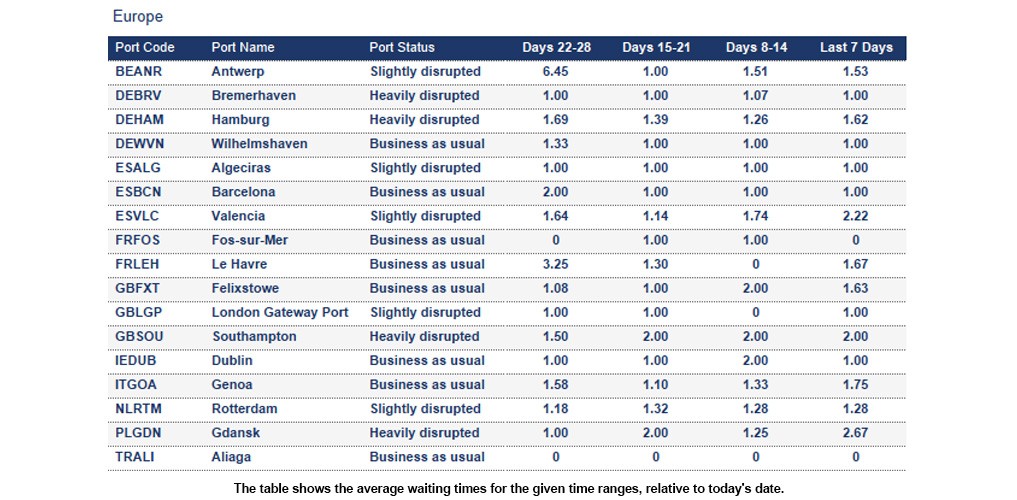
Antwerp: The 7-day average vessel waiting time is around 1.53 days. Yard occupancy remains high at Q913 (~90%) and elevated at Q869 (~77%), with reefers and empties under pressure at Q913. Truck turnaround times remain efficient at both terminals. Labour availability is stable. Quay expansion works continue, with crane delivery delayed due to weather. No major operational issues reported this week.
Germany
Bremerhaven: The 7-day average vessel waiting time is around 1 day. The yard at the NTB terminal remains close to capacity.
Hamburg: The 7-day average vessel waiting time is around 1.62 days.
- At CTA, yard utilisation has increased to ~83% following a full vessel line‑up, with berth utilisation at 100% and back‑to‑back mainliner calls continuing. Ice conditions in the harbour basin still add 1–2 hours per manoeuvre, and the terminal is operating at its limit with potential labour constraints.
- At CTH, yard utilisation remains critical at ~90%, mainly due to reduced import pick‑up. Some vessel bunching persists, though partial recovery is planned next week; yard pressure is expected to remain high.
Netherlands
Rotterdam: The 7-day average vessel waiting time is around 1.28 days.
- At ECT, yard utilisation remains stable at ~80% with no operational concerns, though volume imbalance persists due to delayed vessels and move restrictions. Second‑modality delays range from 12–48h.
- MVII faces feeder delays up to 10h, barge delays up to 21h, and mainliner delays averaging 28h due to fog and yard peaks.
- Delta II remains stable at ~36% with no delays.
Poland
Gdansk: The 7-day average vessel waiting time is around 2.67 days. Severe winter weather continues to disrupt operations at the Port of Gdansk. Heavy snow, ice and prolonged low temperatures are restricting landside and waterside activities. Frozen equipment and affected roads and rail lead to cancelled rail services, limited truck slots and slower vessel handling.
United Kingdom
London Gateway Port: The 7-day average vessel waiting time is around 1 day. Yard stack remains stable at 64% for dry and 51% for reefers, with empty stock reducing but still above the free pool. Terminal line‑up remains congested due to delayed vessels. Labour availability remains healthy, averaging 13–14 gangs.
Southampton: The 7-day average vessel waiting time is around 2 days. Yard occupancy stands at 87% for dry cargo and 60% for reefers. The terminal remains busy, with delayed vessels seeking berth windows.
Tilbury: The 7-day average vessel waiting time is around 2 days.
Middle East - Indian Subcontinent
North America
Canada
Average import rail dwell time for Canadian cargo (Vessel arrival to departure rail ramp):
- Halifax: 3 days
- Montreal: 7 days
- Prince Rupert: 9 days
- Saint John: 4 days
- Vancouver: 8 days
Mexico
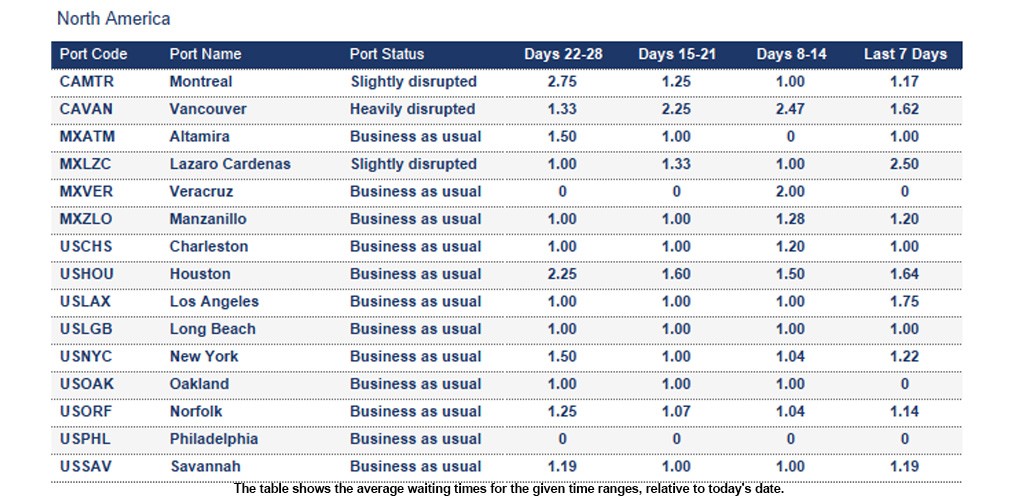
Lazaro Cardenas: The 7-day average vessel waiting time is around 2.5 days.
Progreso: The 7-day average vessel waiting time is around 7 days.
South and Central America
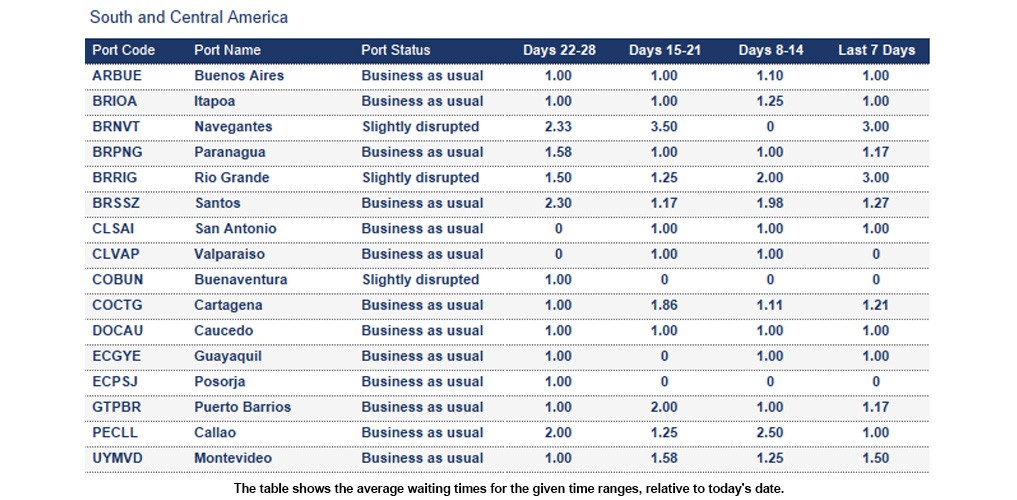
Argentina
A 24‑hour general strike called by the CGT union is taking place today, 19 February, with broad participation from transport unions and public agencies. Port terminal operations and customs activities are affected, leading to process delays. Import and export appointments scheduled for today will be rescheduled to later dates.
Puerto Rico
Last week, flooding risk occurred across the island on Sunday (15 February) as a cold front brought persistent rain. Emergency authorities urged residents not to cross flooded roads, with incidents reported in Carolina, San Juan, Bayamón and Guaynabo, while higher flood risk extends from Fajardo to Rincón.
How Kuehne+Nagel estimates port disruption statuses
Seaexplorer has four port statuses that are estimated based mainly on the 7-day average vessel waiting time. Other factors include yard congestion, labour strikes, natural disasters or intermodal disruptions. Slightly different rules are applied to major ports, or ports that are hubs in their region, as they are typically more efficient.
- Business as usual means the port is currently operating without any significant disruption.
- Slightly disrupted is used if the 7-day average vessel waiting time exceeds 2 days.
- Heavily disrupted is used if the 7-day average vessel waiting time exceeds 4 days.
- Port closed is used when the port suspends operations due to a major disruptive event.
How Kuehne+Nagel calculates the 7-day average vessel waiting time
Mainline container vessels may spend a certain number of days waiting at designated anchorage areas before their scheduled port call.
To calculate the 7-day average waiting time, we consider the waiting days of these vessels, excluding:
- Waiting times for feeder vessels,
- Idle ships without an announced next port,
- Slow steamers heading toward the anchorage, but not actively waiting within the designated area
- Vessels passing through the anchorage area without intending to call at the port.
This rolling average is based on the last 7 days of data and is updated daily in seaexplorer. To find the latest waiting time for a port, enter the port name or code in the search bar and select the relevant option.
Stay Ahead, Stay Informed: Register for seaexplorer for the latest disruptions and vessel waiting times at global container ports.