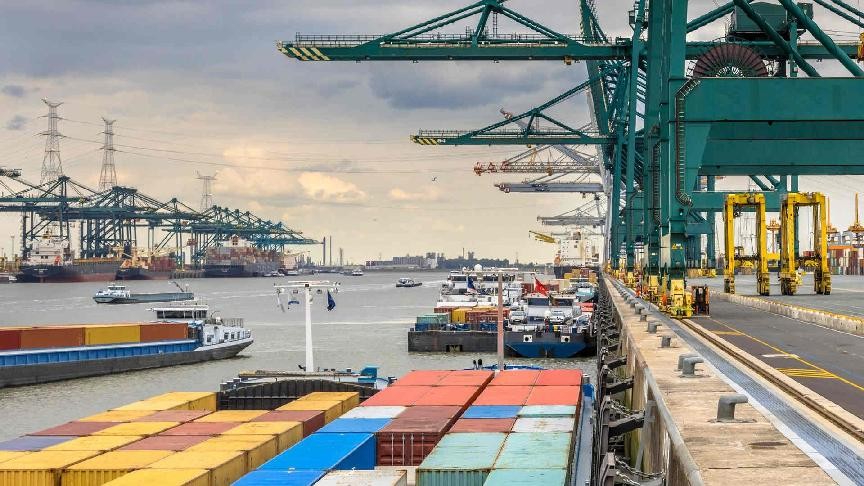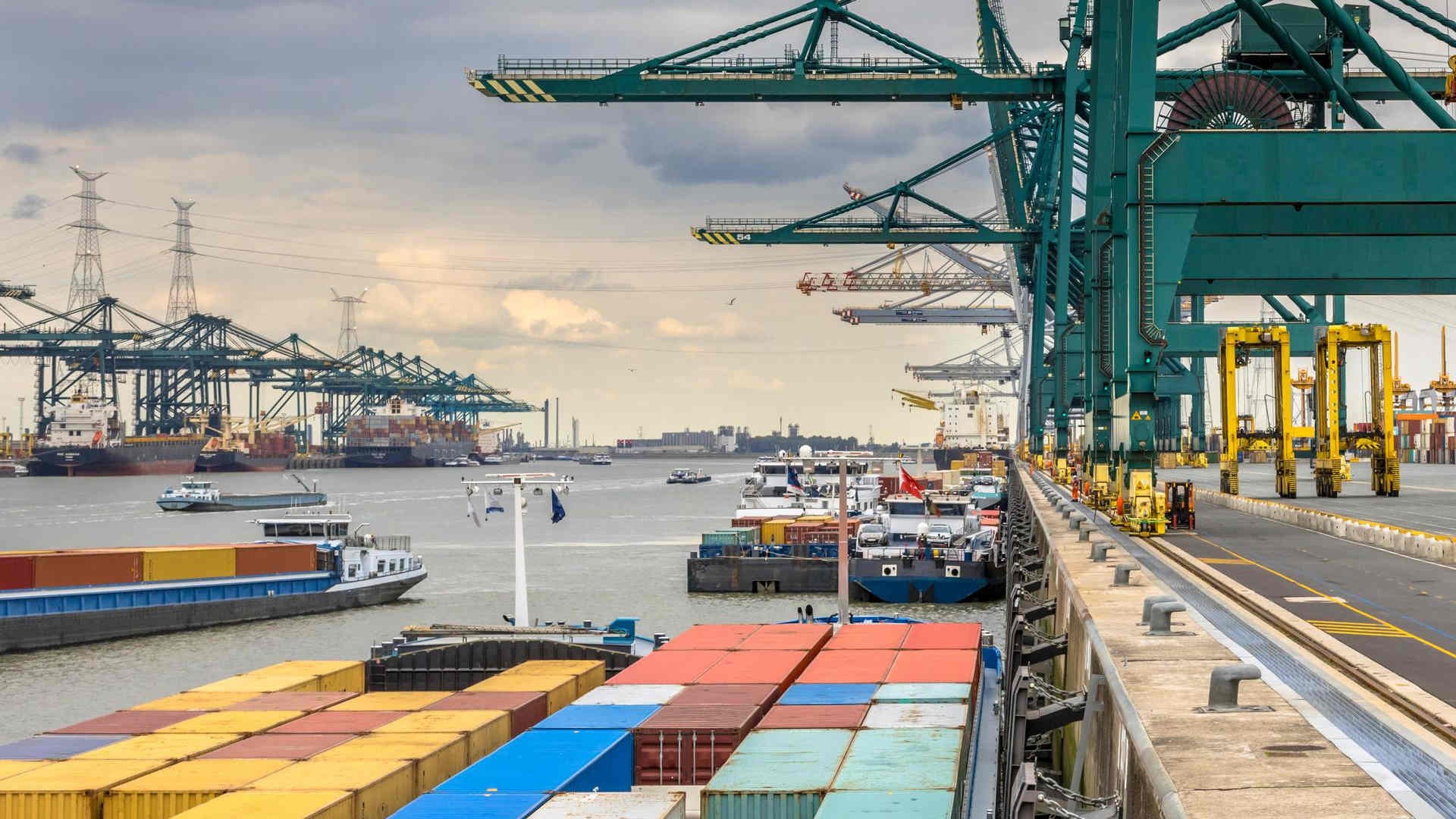

A strike that began on 9 March has rapidly escalated across Belgium, bringing most shipping activity to a halt and causing extensive transport disruption.
Initially expected to last only a short period, the action has been prolonged, and a national strike day has been declared for 12 March.
The dispute centres on proposed austerity measures introduced by the Belgian coalition government, including pension cuts that unions state could reach 25%.
Four unions previously united in calling for a single pension system for all maritime workers, alongside demands on work rules for new staff and financial indexing.
These issues have been under negotiation for more than a year, following earlier industrial actions in April, October and November 2025.
Port operations disrupted
The latest action began with the railways and was scheduled for three days. On Monday evening, controllers at the Zeebrugge traffic control centre initiated an overnight stoppage, while pilots responsible for guiding ships in and out of Belgium were due to observe a rest period from midnight to 10:00 on Tuesday.
Instead of resuming operations on Tuesday morning, the Zeebrugge centre extended its stoppage to 19:30, later prolonging it further to 07:30 on Wednesday. Pilots commenced a strike at 10:00 on Tuesday, prompting a rapid escalation.
According to The Maritime Executive, the number of vessels in general waiting offshore rose from 26 on Tuesday morning to 46 by the evening. Eighteen ships were unable to depart Antwerp, and five remained stuck in Zeebrugge.
Antwerp reported 33 inbound ships holding offshore, while 18 more waited for Zeebrugge, including an LNG delivery. Four port calls have already been cancelled.