
JUST under 30% of vessel movements recorded using Iran’s Hormuz traffic regime in October had no identifiable link to Iranian trade, indicating that a persistent minority of foreign operators is prepared to accept Tehran’s controls in return for safer passage.
Lloyd’s List Intelligence’s Maritime Intelligence Unit data recorded 121 movements through the Iranian system in October, comprising 86 linked to Iranian trade and 34 with no identifiable Iranian trade connection.
Non-Iran-linked use has fallen sharply since a Memorandum of Understanding between Iran and the US led to a temporary opening of the Strait of Hormuz in June, when 82 such movements accounted for 43% of the 192 recorded.
But while that number fell to 71 in July and just 27 in August, it has since stabilised, with 32 movements in September and 34 in October.
The pattern suggests the June opening prompted a temporary surge in foreign use, but left behind a smaller group of operators that has continued to work within Tehran’s system.
According to IR Consilium managing director Ian Ralby, that reflects an increasingly stark calculation for shipowners weighing the relative risks of US-backed protection against passage sanctioned by Iran.
“A two-horse race has emerged between the US and Israel and the Brics, particularly the Russia-China-Iran axis,” Ralby said.
That was leaving shipowners with a choice over “who they trust more” to move their vessels into or out of the Strait of Hormuz without being attacked, he said.
Ralby argued the threat of missiles, drones and mines in the southern quarter had created a “gravitational pull” towards the north, particularly for operators less likely to attract US scrutiny and able to secure Iranian permission.
“The concern there is the US blockade, but if you don’t actually call at the ports or do anything specifically linked to Iran, it may be your best bet to get in or out without getting hit,” he said.
That calculation helps explain why vessels without an obvious connection to Iranian trade continue to use Tehran’s system even as the initial surge following June’s reopening has subsided.
“It’s difficult to get a complete picture of which routes are in use when it comes to Hormuz traffic given such a high volume of dark transits, but we do know that the Iranian system is in use and, more importantly, in use by ships that have no affiliations with Iran,¨ said Bridget Diakun, maritime intelligence and research director at Lloyd’s List Intelligence.
Some vessels switch off their Automatic Identification System during transit before reappearing after clearing the strait, making their route and any involvement in Iranian trade difficult to establish.
The non-Iran-linked category does not necessarily mean conventional, low-risk shipping. Seven of the 34 October movements involved vessels identified as part of the shadow fleet*, although none was recorded as sanctioned at the time of transit and all were participating in mainstream trades.
China remains the largest foreign grouping
China-linked shipping has consistently formed the largest identifiable national grouping among non-Iran-linked movements.
Chinese-affiliated vessels accounted for 28 of 82 such movements in June, 17 of 71 in July, nine of 27 in August, nine of 32 in September and 10 of 34 in October. That equates to roughly one quarter to one third of the monthly total.
The continued China-linked presence comes after months of diplomatic engagement between Beijing and Tehran.
On November 3, Iranian lawmakers confirmed that vessels coming from or going to China had been granted exemptions from transit restrictions in the Strait of Hormuz, according to Iranian media reports.
European operators have generally proved less willing to use the Iranian system.
Greek-linked vessels accounted for just one non-Iran-linked movement in June, two in July, one each in August and September and two in October. Other EU-linked movements fell from six in June to two in July, with none since then.
Turkish shipping has shown greater willingness to use the system. Türkiye-linked non-Iranian movements rose from three in June and July to eight in September, before falling to four in October.
Turkish and Iranian foreign ministers discussed safe passage for Turkish vessels in August, although no agreement was publicly announced.
UAE-linked non-Iranian movements have meanwhile fallen from eight in June and six in July to between three and four each month since August.
Japan and South Korea have withdrawn much more decisively.
Japan-linked movements peaked at 19 in July before falling to zero from August onwards. South Korean traffic dropped from 15 movements in June to two in July, with none subsequently recorded through October. All these transits by Japan and South Korea-linked vessels were eastbound, exiting the Middle East Gulf.
South Korea’s Sinokor remains one of the most active operators in the MEG shuttle trade, but its VLCCs use the Omani route offered US protection via convoys.
Traffic mix shifts away from crude tankers
The composition of the remaining non-Iran-linked traffic has also changed.
Eight crude tanker movements were recorded in May, but by October the traffic was dominated by bulk carriers, general cargoships and product tankers, with 11, 10 and eight movements respectively. Just one non-Iran-linked crude-tanker movement was recorded during the month.
Ralby said the divergence reflected the different risk calculations now being made across trades. More crude was moving through the southern approaches, while other cargoes were gravitating towards the north, where operators with Iranian permission faced a lower perceived risk of direct attack.
That shift has coincided with a wider restructuring of Middle East Gulf oil movements as Tehran expands its control over shipping through the strait.
Analysis published by Vortexa on November 17 found that Iran’s Persian Gulf Strait Authority had designated 130 of the 231 tankers involved in MEG shuttle operations since March, excluding Iran. Those ships accounted for about three quarters of shuttle runs.
Yet the blacklist has not significantly reduced MEG oil flows.
Vortexa estimated MEG shuttle volumes increased from 5.7m barrels per day in August to 8.5m bpd in October, suggesting operators have so far absorbed Iran’s restrictions by changing vessel deployment and cargo-transfer patterns.
Designated tankers have made relatively fewer Hormuz transits, while additional ship-to-ship transfers east of the strait are becoming more common. Among tankers designated by mid-September, about 21% of relayed barrels underwent a second STS transfer after designation, up from 17% previously.
The picture emerging is therefore one of adaptation rather than disruption. Ships prepared to comply with Tehran’s traffic regime continue to use Iranian waters, while elsewhere in the MEG operators are restructuring shuttle and STS arrangements to keep oil moving.
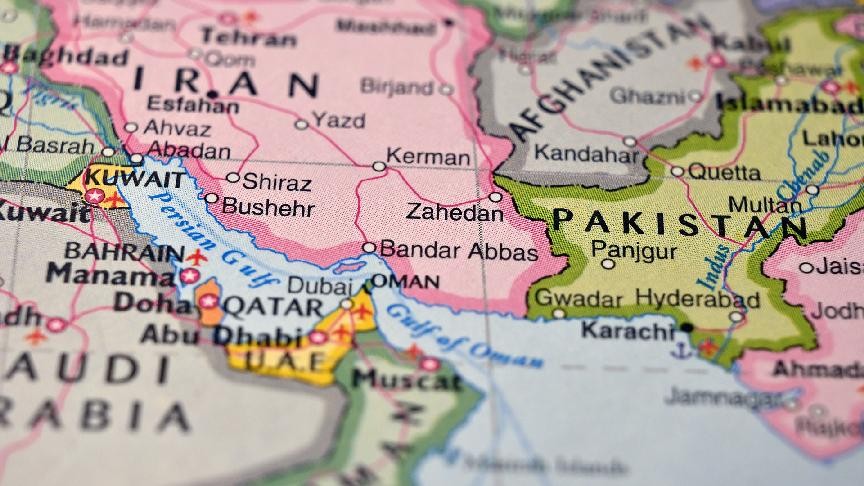
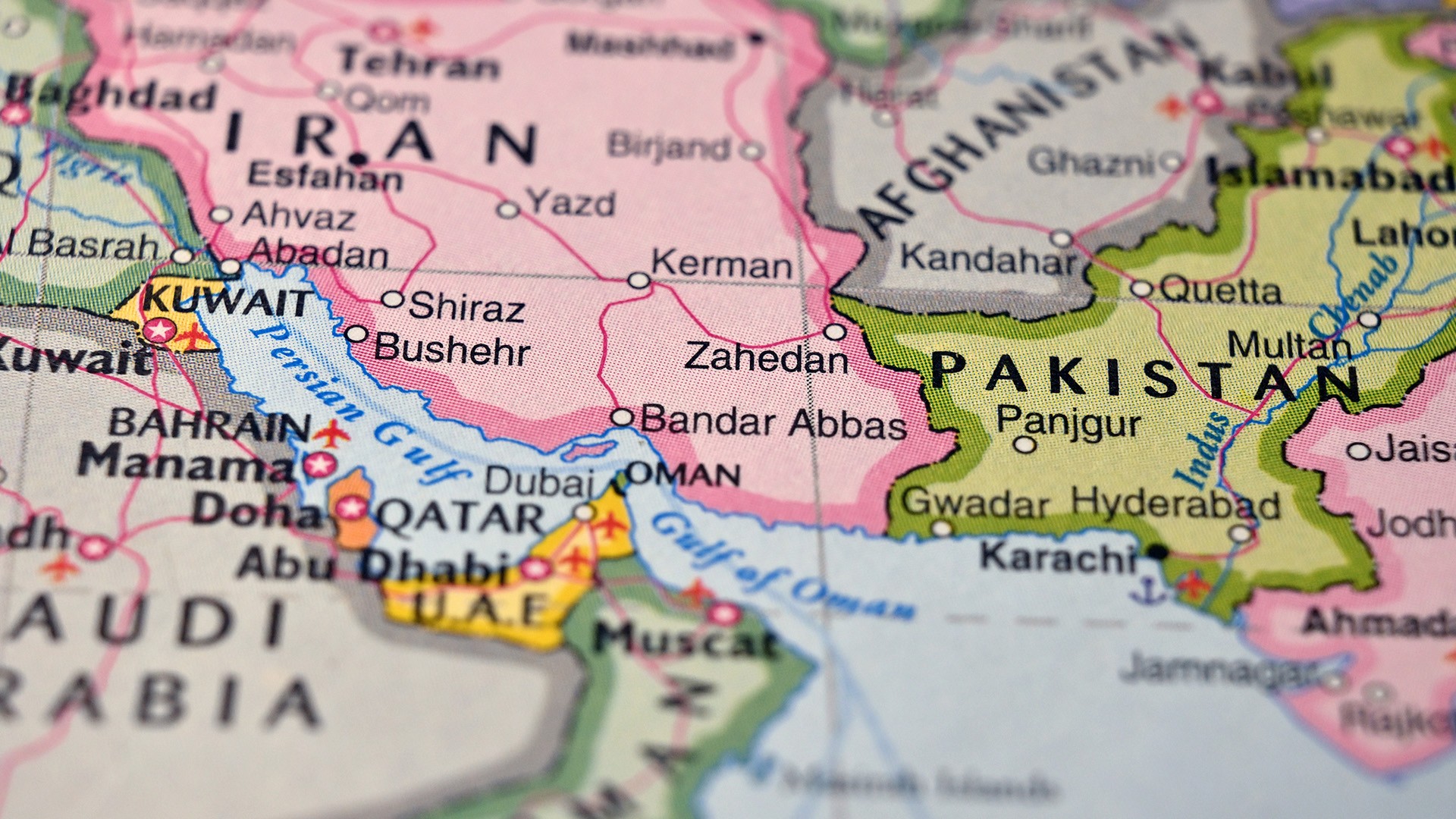
Iran established its de facto safe shipping corridor through territorial waters around Larak Island in March, weeks after the conflict began in late February. Vessels granted access pass close to an island used by both the Islamic Revolutionary Guard Corps Navy and Iranian port authorities, allowing ships to be vetted and visually identified.
Lloyd’s List confirmed in March that at least some vessels had made payments to Iran in return for safe passage.
“In some ways it validates what Iran is trying to achieve, as it shows that there are companies or governments that are willing to accept Iran’s controversial system in exchange for safe passage,” said Diakun.
For Ralby, that choice also points to a wider erosion of confidence in US security guarantees. He described the willingness of some operators to seek Iranian permission as an “unfortunate consequence” of a loss of US credibility, with official assurances increasingly being weighed against operators’ assessment of conditions on the water.
The evidence since March suggests Tehran has not succeeded in choking MEG exports. But it has succeeded in inserting itself into shipowners’ security calculations. Increasingly, the question is not simply whether ships can cross Hormuz, but whose protection, permission and route operators trust to get them through safely.