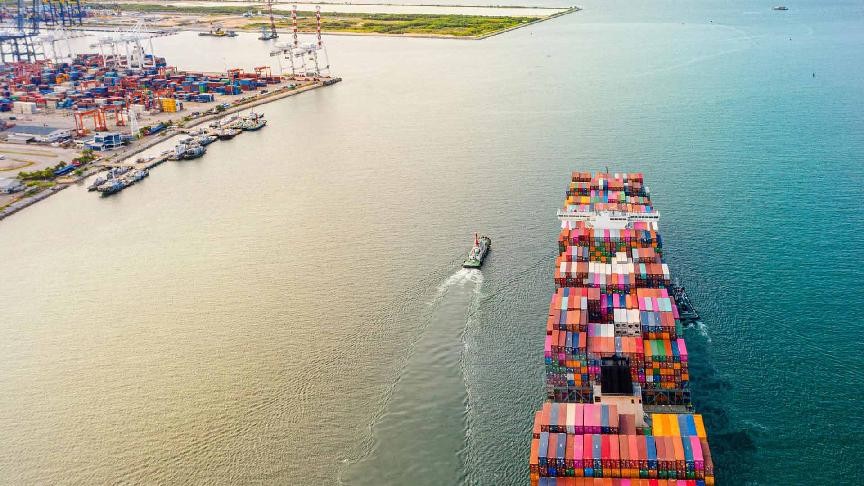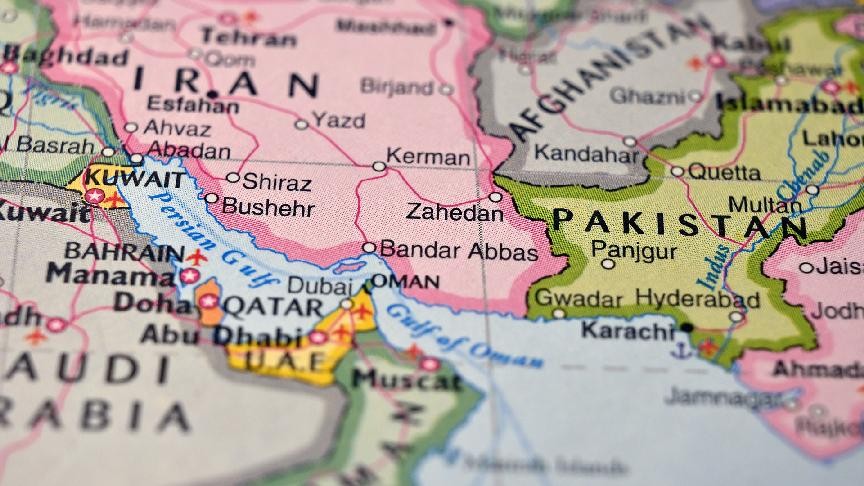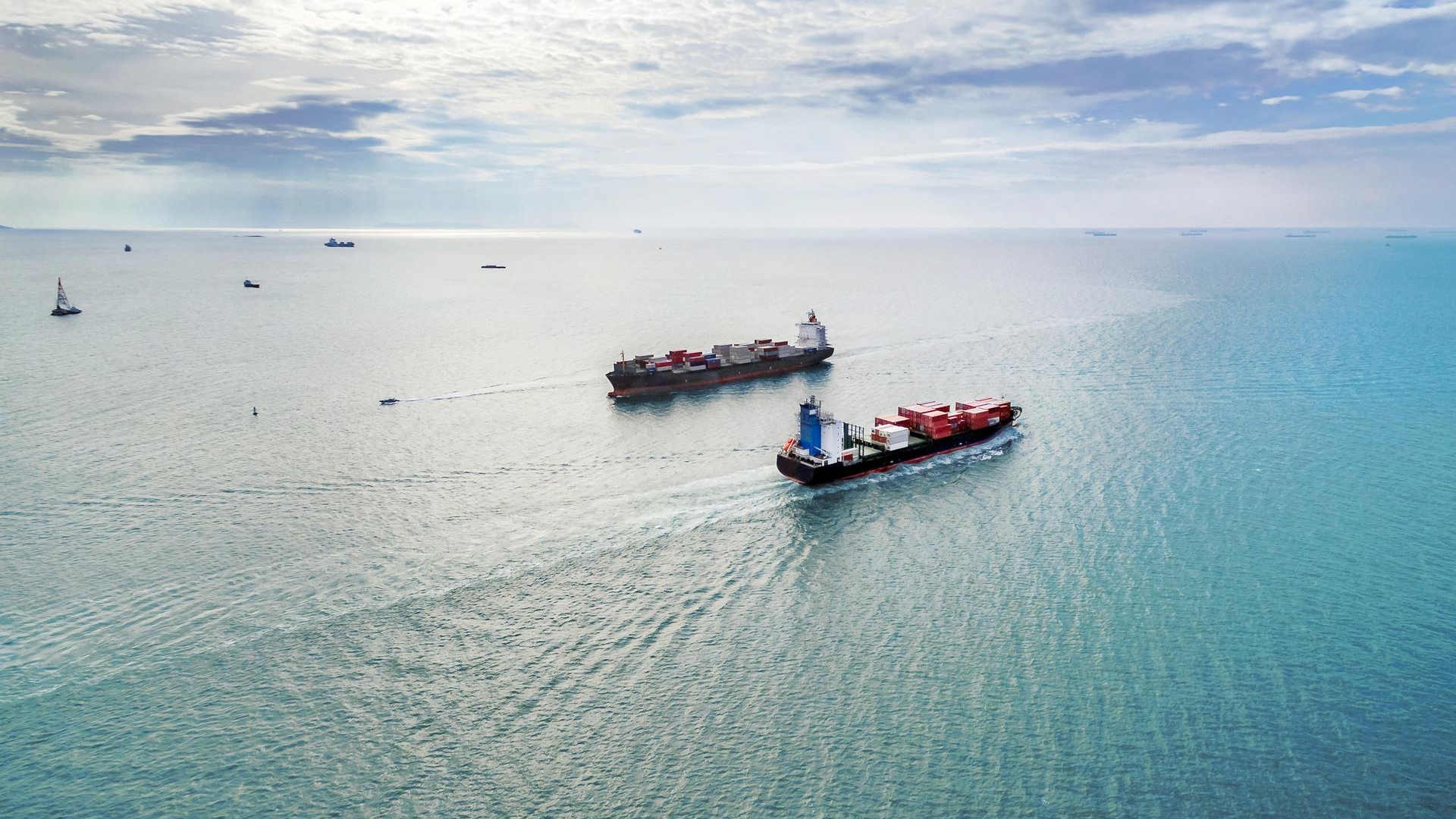

Ongoing restrictions in the Strait of Hormuz continue to leave numerous vessels stranded in the Persian Gulf. Currently, there are around 800 vessels in the area and shipowners are very reluctant to attempt passage.
Iranian threats and attacks on vessels have contributed to the slowdown, and conditions worsened further after the United States introduced a blockade of the strait.
For vessels and seafarers, the situation remains the same.
Meanwhile, official are discussing strategies to adopt once a permanent agreement is reached politically.
According to a Bloomberg report, the International Maritime Organization (IMO) is developing an evacuation plan for ships that have been stuck in the Persian Gulf since the war began.
IMO Secretary-General Arsenio Dominguez confirmed that the initiative is focused on facilitating the safe departure of vessels once conditions allow.
Dominguez, who was speaking at the Singapore Maritime Week, said the plan cannot be activated without clear evidence that tensions have eased. He also stated that the IMO must first establish whether any mines have been laid in the strait.
“In order for us to do anything at all, we need to make sure that the conflict has come to an end, that there’s no threats of any ships being attacked and that the region is clear from any hazards, including mines,” Dominguez said.
In addition, Dominguez underlined the humanitarian nature of the operation.
This is about the seafarers. This is about the people… It’s a humanitarian corridor to evacuate the seafarers from the region.
Secretary-General of IMO
Planning discussions include setting a departure sequence based on factors such as the length of time crews have been stranded.
Any movement would follow the Traffic Separation Scheme proposed by Iran and Oman and adopted by the IMO in 1968.
An extraordinary IMO Council meeting last month called for an evacuation plan covering close to 1,000 ships and 20,000 seafarers affected by the effective closure of the strait.
Recent attempts to reopen the waterway were cut short when vessels were fired upon, leaving the strait effectively closed once again.