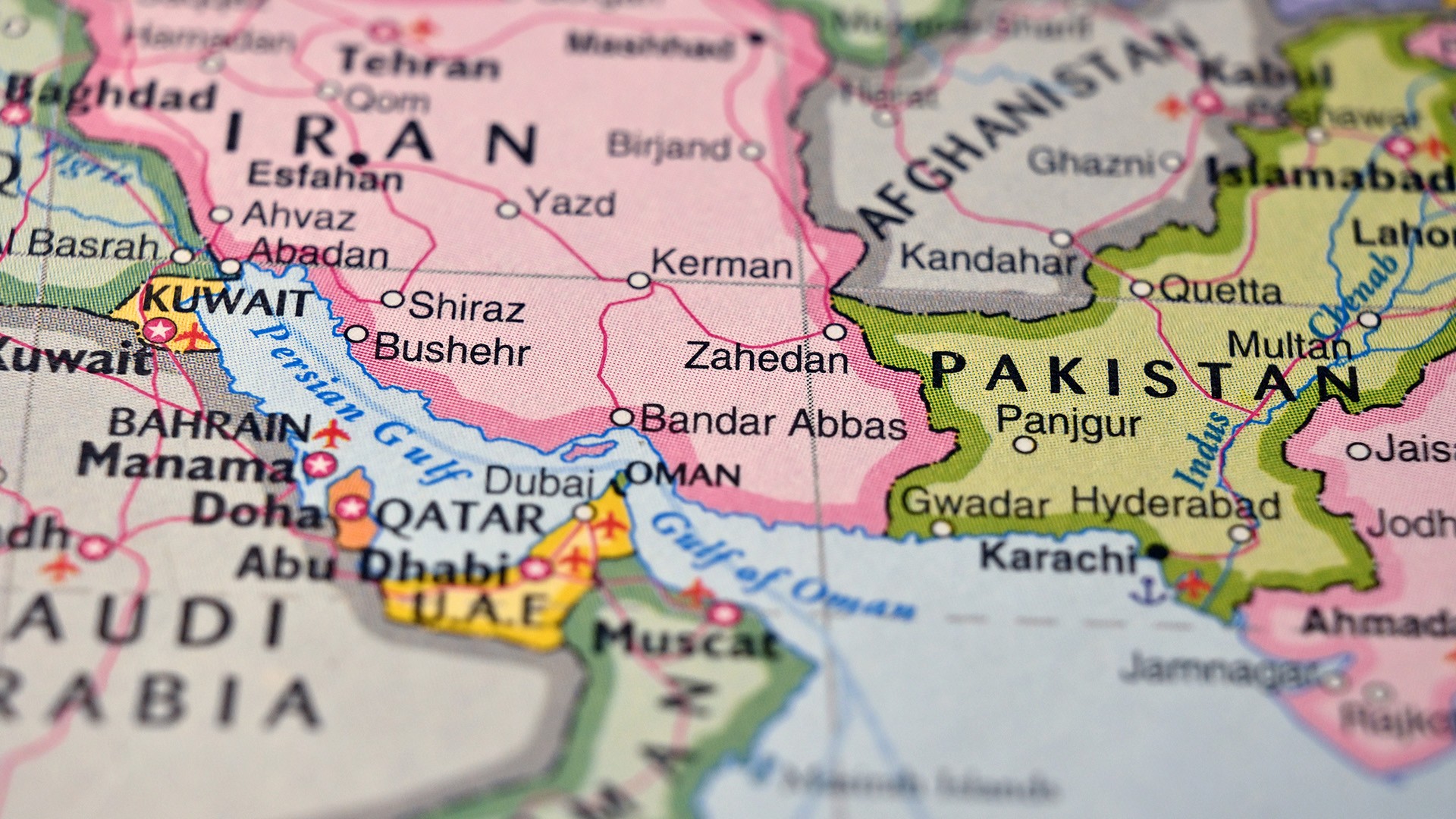

A DEAL between the US and Iran to reopen the Strait of Hormuz and extend a ceasefire is expected to be signed in Geneva on Friday, but key operational details remain unclear, leaving the shipping industry in limbo.
Until the agreement is formally concluded, both the US naval blockade of Iranian ports and Iran’s requirement that all transiting vessels seek permission from its Persian Gulf Strait Authority (PGSA) remain in force.
“The previous procedures for transiting the strait remain in effect,” a PGSA spokesperson told Lloyd’s List on Monday. “Commercial vessels intending to transit the Strait of Hormuz are required to submit their information to PGSA.”
US President Donald Trump said on Monday that the strait would reopen on Friday and that he had ordered the lifting of the blockade. For now, however, the blockade remains in place, according to the latest guidance from the Joint Maritime Information Centre.
New transit mechanism
With the timing of restrictions now tied to the signing of the agreement, shipowners and operators are questioning when detailed guidance will emerge and what mechanisms will govern future transits.
Lloyd’s List understands negotiations involving Iran, Oman and several other stakeholders have yet to finalise a new transit mechanism. One source directly involved said a framework that complies with international law, while addressing sovereignty concerns in both Iran and Oman, is close but not complete.
Iran’s semi‑official Fars news agency reported that under the memorandum due to be signed on Friday, marine traffic would be regulated by Iran in coordination with Oman.
Iranian foreign ministry spokesman Esmaeil Baghaei told reporters at the G7 summit in France that Tehran was not seeking to impose transit fees. “But in return for the services we will provide — navigation services, environmental protection and possibly ship insurance — the necessary costs will also be designed and collected,” he said, according to Reuters.
Fars reported that the interim deal allows vessels to transit free of charge for 60 days. After that, Iran plans to charge for safety, navigation, environmental and insurance services.
Foreign Minister Abbas Araghchi has not commented publicly on the agreement’s details since its announcement. However, in the days leading up to the deal he repeatedly insisted that Iran would retain control.
On Friday, he wrote on his Telegram channel that Iran and Oman “have ensured the security and safety of navigation in the Strait of Hormuz” for years and provided services free of charge. “The Islamic Republic of Iran has firmly decided that the future of managing the Strait of Hormuz will be different from the past,” he said. “Iran’s sovereignty has always been, is still, and will be maintained.”
He added that Iranian armed forces would remain present in the strait and “guarantee the security of the region”, saying, “Our sword will always be above the Strait of Hormuz.”
Shipping officials involved in regional naval operations said that while news of a deal is welcome, confusion is widespread among owners and operators about what happens next — including whether naval escorts will continue.
France and Britain had been pushing for a multinational naval mission to safeguard shipping if a US–Iran ceasefire materialises, but diplomats now doubt Tehran would accept any such deployment. Iran has signalled strong opposition to foreign military presence in the waterway and could seek to impose transit‑related charges — a red line for European governments.
According to Reuters, French Foreign Minister Jean‑Noël Barrot said the European‑led initiative, discussed with Araghchi last week, has been in preparation for weeks among about a dozen militaries and would include minehunters, warships and air‑surveillance assets.