
THE US-IRAN agreement has injected a rare moment of relief into a region where merchant seafarers have paid the highest price. But while the headlines trumpet de‑escalation, the maritime sector is treating the news with something closer to wary disbelief than celebration.
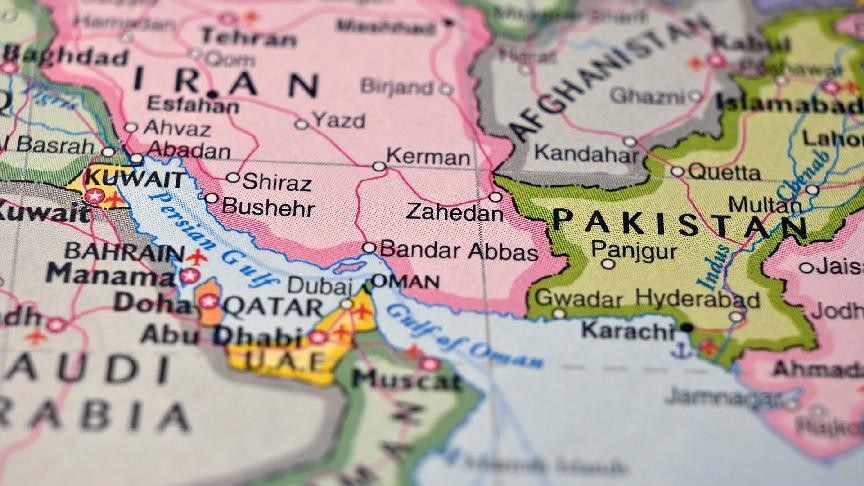
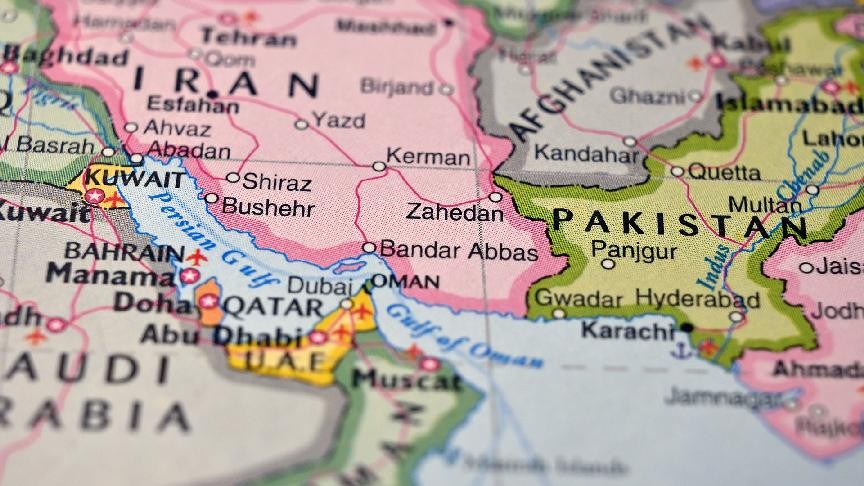
The Strait of Hormuz may be reopening, but the rules of engagement — literal and political — remain murky.
The industry is still waiting for clarity on the administrative and practical arrangements governing the Strait of Hormuz, and until that arrives, timing and sequencing matter more than ever.
Yet markets rarely wait for certainty. Within hours of the announcement, shipowners began repositioning tonnage in anticipation of a surge in restocking demand.
Security operators described “a mini-stampede” on Monday as owners acted on political cues from US President Donald Trump to “start your engines and let the oil flow”.
Chinese shipping stocks rallied sharply.
Charterers braced for a frenetic night on the Omani route.
But insurers — always the industry’s barometer of real risk — were unmoved. One Singapore‑based underwriter captured the mood: premiums are “quick to go up, slow to go down” and any improvement will come only after “solid evidence” of lasting safety gains.
The agreement, after all, is merely a 60‑day ceasefire, and even that depends on nuclear negotiations that “are unlikely to be easy” and on whether regional actors “follow the party line”.
The humanitarian upside is undeniable. A pause in hostilities “will allow vessels and mariners who are indefinitely stuck to get out”. But operationally, the sector is not rushing back.
Industry organisations are warning that mine clearance and a return to the internationally recognised Traffic Separation Scheme are prerequisites for safe navigation. A premature surge of traffic through improvised Omani and Iranian routes risks compounding danger rather than alleviating it.
Even if the ceasefire holds, the strategic landscape has shifted in ways that cannot be undone.
Iran’s months‑long blockade shattered a decades‑old taboo and demonstrated its ability to weaponise the strait at will. Tehran has already signalled that “the management of traffic and the provision of services will no longer be the same as in the past” and that its “sword will always be above the Strait of Hormuz”.
The message is unmistakable: the reopening may be real, but so is the leverage.
This is why the industry’s optimism remains tempered.
The recent conflict saw unprecedented enforcement actions, including kinetic strikes on merchant vessels such as Settebello (IMO: 9162916) and JJalveer (IMO: 9486283).
The MoU may reduce the likelihood of further attacks, but it does not erase the legal and ethical questions surrounding those operations, nor the operational anxiety they created. Crewing challenges, particularly among Indian seafarers after fatal incidents, may persist long after the shooting stops.
Insurance markets, too, are unlikely to snap back. Elevated war‑risk premiums, enhanced due‑diligence requirements and stricter sanctions screening will remain fixtures until the ceasefire proves durable and the region demonstrates sustained stability. That could take months—or longer.
Still, the economic implications of even a partial reopening are significant.
Pent‑up demand across tanker, LPG and dry bulk markets is poised to lift earnings, while the broader global economy stands to benefit from reduced supply strain. Coal shipments may remain elevated due to recent fuel‑switching trends, and container and car carriers should continue to enjoy strong demand. LNG, by contrast, may see rates soften as arbitrage weakens and new tonnage enters the market.
But none of this should be mistaken for a return to normality. The deal leaves unresolved the very disputes that triggered the US and Israeli bombing campaign, particularly the future of Iran’s nuclear programme. It leaves Iran with a proven pressure point over its neighbours. And it leaves the maritime sector navigating an environment where the risk of reclosure is now permanently “priced into decision making”.
The reopening of Hormuz is good news—perhaps the best the industry has had in months. But it is not peace. It is a pause, a recalibration, and the beginning of a long process of rebuilding confidence. The risk trend may be “improving but remains elevated,” as the document concludes, and that is the sober truth the sector must operate within.
For now, the engines may be starting. But no one is sailing blind.