TRACEABLE vessel traffic through the Strait of Hormuz jumped 270% last week after a Memorandum of Understanding between Washington and Tehran partially reopened the waterway amid volatile political negotiations.
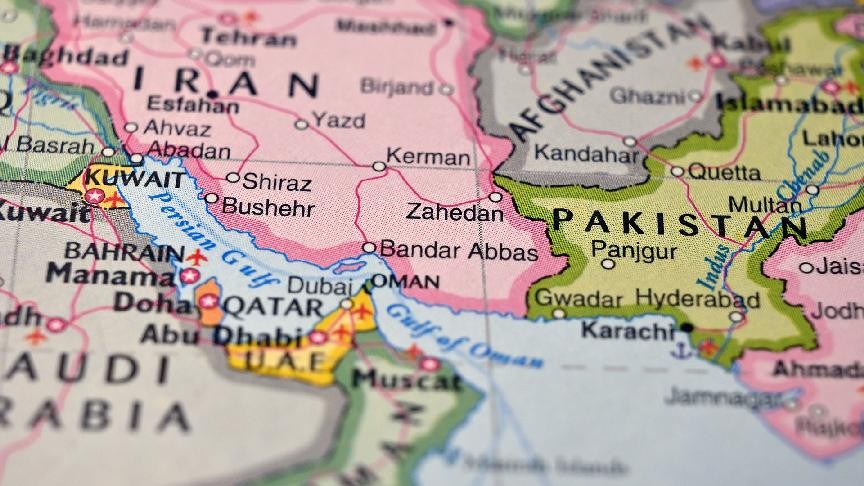
The surge in transits, however, masks the confused, two-tier system now operating in the strait, which remains split between an Iran-controlled northern route and a US-protected southern “highway”, with the pre-war routes, rendered unusable because of the risk of mines, separating them.
Preliminary analysis of Lloyd’s List Intelligence tracking data shows 119 transits last week — sharply higher than recent weeks but still far below the 700 recorded during the same period last year.
Iran moved quickly to exploit the political opening, recording 41 transits — many of them with AIS switched on even before the MOU was formally signed.
While headlines have focused on several laden tankers exiting the Middle East Gulf, most Iranian movements were westbound tankers and gas carriers heading into the Middle East Gulf, suggesting Iran is moving quickly to ramp up oil production and exports while the US waiver allows it.
There are also more than a dozen laden, Iran-flagged very large crude carriers that have departed the Gulf of Oman in recent days, seemingly headed to Asia. The vessels, which typically sail with their Automatic Identification System switched off, are uncharacteristically broadcasting their positions.
Meanwhile, ship-to-ship transfers of non-Iranian cargoes are still taking place in the Gulf of Oman off Fujairah and Liwa, typically with at least one of the vessels in the dark. Analysis of European Space Agency synthetic aperture radar satellite imagery taken in the early hours of Tuesday showed six pairs of VLCCs engaged in STS transfers, plus one VLCC and aframax, and one pair and of aframaxes.
Non-Iranian operators also rushed to take advantage of the reopening, with 74 transits — the highest volume captured since the conflict began.
Most were eastbound exits from the MEG, but the 22 inbound vessels included the Nakilat-owned LNG carrier Al Areesh (IMO: 9325697), notable given the extremely limited LNG traffic tracked since the start of the conflict.
Another four LNG carriers sailed into the MEG on June 22, such as the France-flagged Wadi Al Sail (IMO: 9981374).
Traffic remains split between the Iranian northern route and the US-backed Oman corridor, but there are signs that the southern route is quickly emerging as the preferred option even for owners previously willing to follow Iran’s approval system.
Twenty seven non-Iranian affiliated vessels were tracked using the Iranian route last week, indicating they had sought clearance from Iran’s Persian Gulf Strait Authority.
But a growing number of ships are bypassing Iran’s asserted control and using the Oman route advised by the US Navy. Much of that traffic is still moving dark without AIS, but Lloyd’s List understands at least 18 non-Iranian vessels used the route last week — which is an undercount given the difficulty in validating the routes of those sailing dark.
Senior tanker industry officials expect volumes on the Oman route to rise rapidly in the coming days, with a two-way system emerging as non-Iranian operators opt for US protection backed by Western insurers.
Despite this shift towards the southern route, both Iran and Oman continue to assert authority over the whole of the strait. Iran has repeatedly warned that vessels risk “penalties” or being turned back if they do not seek permission and follow a route close to its coastline. So far it is yet to act on that instruction by interfering with ships choosing to use the southern route.
Adding to the uncertainty, Iran and Oman continue to dispute US claims that the reopening will be “toll free”.
A joint statement issued Tuesday after talks in Muscat said the two countries would continue discussions on the future administration of navigation in the strait, including maritime services and associated costs. A joint working group will be formed, and other littoral states will be consulted.
Crucially, the text presented by Iran foreign minister Abbas Araghchi explicitly references “the related services to be provided... as well as the costs related to these services, in accordance with international standards”.
Before the joint statement, US Treasury Secretary Scott Bessent said on X that Iran had committed during talks in Switzerland to “free and open transit in the Strait of Hormuz”.
On Sunday, US President Donald Trump warned the US would impose maritime tolls on the strait if negotiators fail to reach a final deal with Iran within 60 days, saying the tolls would compensate for past and future US military operations acting as a “Guardian Angel” for Middle Eastern states.
While the tentative upswing in traffic suggests growing confidence among shipowners and traders, many warn that transits could collapse as quickly as they surged.
The near-term outlook for Middle Eastern oil exports now hinges partly on the fleet of empty tankers arriving in the region. Last week’s developments appear to have encouraged ballasters to divert toward the MEG. Several VLCCs in the southern Indian Ocean abruptly altered course northwards, according to shipbroker BRS.
Tracking data shows these vessels are now gathering off the Omani coast awaiting clearance to transit Hormuz. BRS also notes that a higher share of ballasting VLCCs exiting the Strait of Malacca after discharging in Asia are now signalling for the Middle East rather than the Atlantic.
Hormuz traffic is up, but confusion reigns over the strait and tolls remain on the table
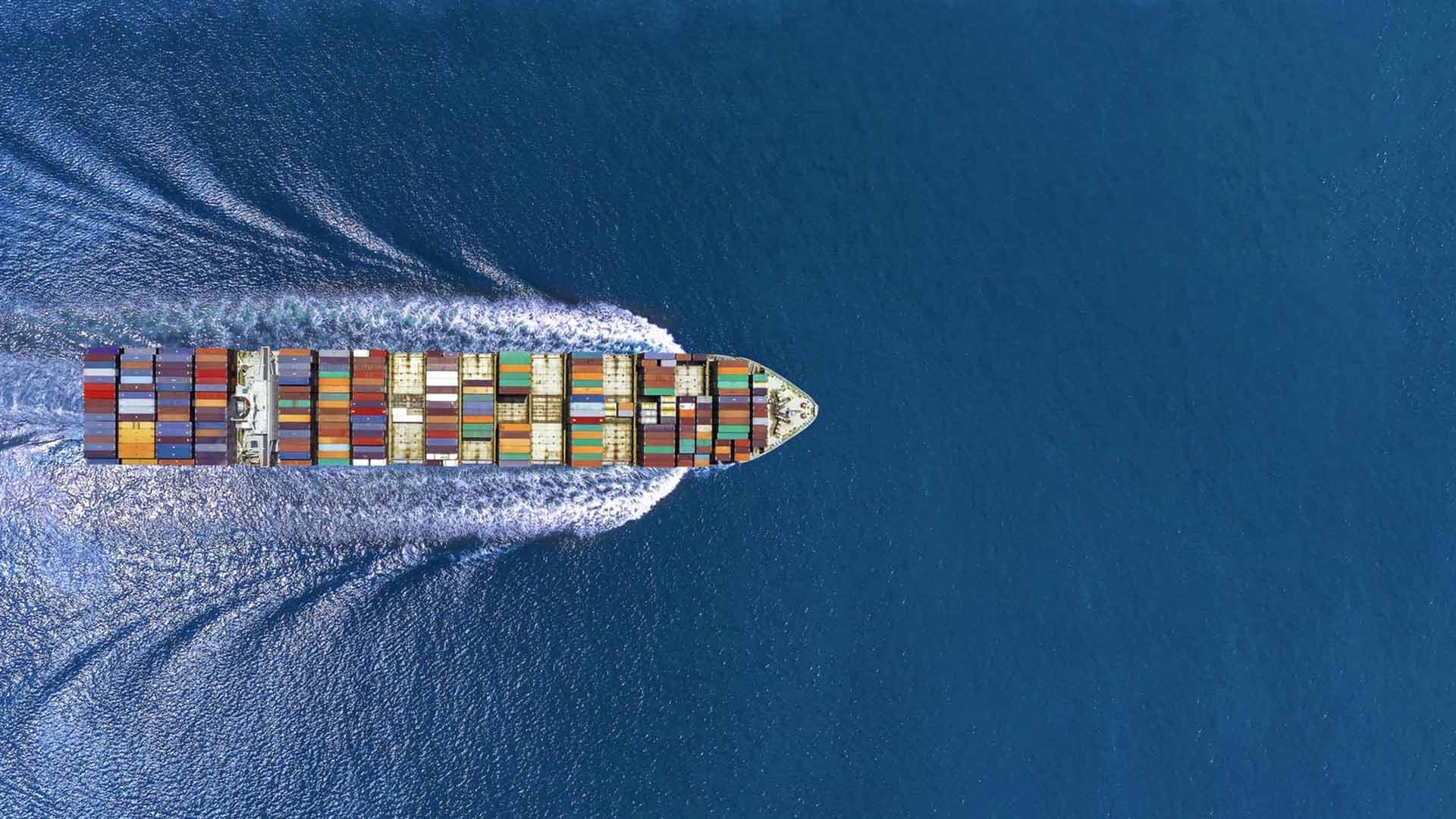
Strait of Hormuz transits jumped after the partial reopening, but traffic is split between rival Iranian and US-backed routes, creating widespread operational confusion

Source: Lloyd's List

Related articles
Sea newsIMO launches evacuation as Strait of Hormuz reopens to shipping
Sea newsTentative Strait of Hormuz transits continue despite Iranian closure and toll threats
Sea newsIran and US to begin immediate demilitarisation of Hormuz after MoU signed
Sea newsHow will the Strait of Hormuz reopening work? Industry awaits missing details
Sea newsA fragile thaw in Hormuz but timing and sequence now matter
Sea newsMiddle East crisis drags on global box volumes