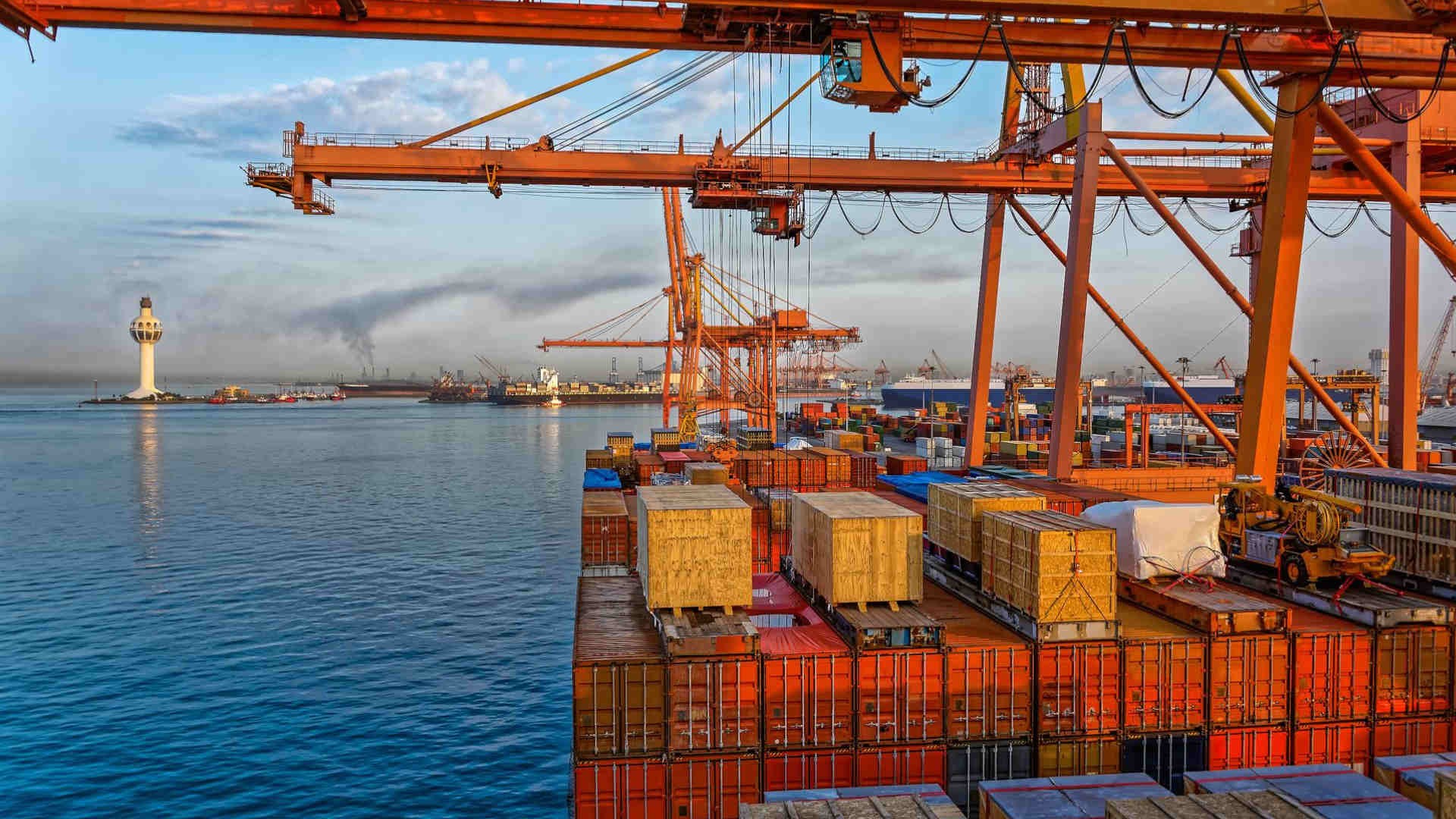

The Port of Jeddah, Saudi Arabia, continues to experience severe congestion following a rise in cargo moving via Gulf land bridge routes.
The port, located on the Red Sea, has seen increased use as cargo is redirected through Saudi land bridge routes in response to disruptions affecting movements through the Strait of Hormuz.
According to media reports, terminal yard utilisation has reached 89%, resulting in an estimated reduction in productivity of between 20% and 25%.
The increase in cargo has also placed significant pressure on the wider logistics ecosystem due to the arrival of shipments intended for other Middle Eastern countries.
As a result, operational delays have intensified across the port area, with brokers reporting long waiting times to obtain container release from the port.
Despite the congestion, Jeddah continues to accept all cargo destined for Saudi Arabia, with road connections available to cities across the kingdom. However, containers destined for locations outside Jeddah may be discharged at alternative ports as authorities work to reduce pressure on terminal operations.
Mawani, the Saudi Ports Authority, has introduced a requirement for in-transit cargo to depart Saudi ports within 15 days of arrival before longstanding penalties are applied.
As carriers are responsible for monitoring compliance with the 15-day requirement, some carriers have stopped accepting bookings for in-transit cargo moving through Jeddah, and some have chosen to omit Jeddah from their schedules.
Kuehne+Nagel continues to provide customers with alternative routing and transport solutions across the region, leveraging its regional logistics network and multimodal capabilities.