
On March 24, after years of negotiations, Australia and the European Union reached a historic free trade agreement that promises to reshape economic relations and global supply chains.
The pact, which is now undergoing legal scrutiny and translation into the EU's 24 official languages, will require ratification by both the European Parliament and the Australian Parliament before it takes effect.
The agreement eliminates tariffs on more than 99% of goods traded between the two partners, marking a significant milestone in international trade. The Australian economy is expected to benefit by approximately A$10 billion ($7 billion) annually, largely through increased EU access to Australia's critical minerals—a move seen as vital for stabilising global supply chains and securing resources for clean technology.
This deal creates major new opportunities for Australian exporters in the European Union’s massive $30 trillion economy, and will reduce costs for Australian consumers.
Prime Minister of Australia
While the deal brings substantial tariff reductions, it maintains strict quotas on several Australian agricultural exports, notably beef and sheep meat. This compromise has sparked criticism from both sides: Australian farmers argue the agreement provides insufficient market access, while French farmers claim the quotas are too generous.
Despite these disagreements, EU industry groups have voiced strong support for the deal, emphasizing its potential to unlock Australian resources and expand the market for European products like wine, fruit, vegetables, and chocolates. Additional provisions include protection for specific EU geographical indications after a transitional period and a higher luxury car tax threshold for EU-made electric vehicles entering Australia.
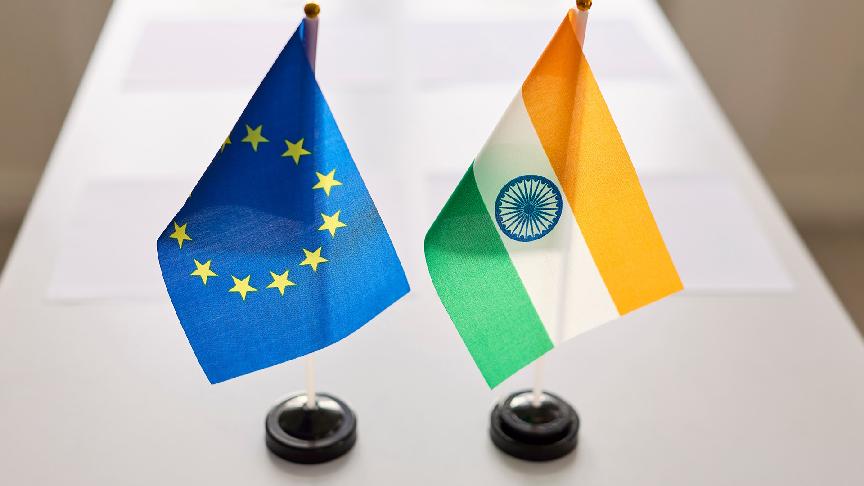
The agreement is also a testament to the EU's growing engagement in the Indo-Pacific, following recent trade initiatives with Indonesia and India. Trade figures underline the strength of the partnership: the EU is Australia's third-largest trading partner and second-largest source of foreign investment.
As the trade pact moves through the final legal and legislative steps, it is poised to foster greater economic cooperation, diversify supply chains, and set new standards for global trade in the Indo-Pacific region.