
TRADE flows between India and the EU are set to increase on the back of the recently agreed trade deal, but it will benefit some shipping sectors more than others.
The deal will effectively see India eliminating or reducing tariffs on 96.6% of goods imported from the EU by value. The EU will similarly reduce tariffs on 99.5% of Indian imports.
“The deal is significant as it covers a market of over 2bn people and a large share of global gross domestic product and trade. For India, it offers expanded exports, cheaper inputs and deeper integration into global value chains. For the EU, it secures market access in a fast-growing economy and strengthens strategic ties amid shifting global trade alignments,” said National University of Singapore Institute of South Asian Studies honorary senior fellow Vinod Rai.
Key highlights of the deal include areas where India will be reducing tariffs on goods that it has not granted other partners. This includes slashing tariffs on European cars from 110% to 10%, and eliminating tariffs on machinery, chemicals and pharmaceuticals, which stand at 44%, 22% and 11% respectively.
India on the other hand will see a boost in agricultural and some marine exports as it gains preferential market access. This covers exports of textiles, leather and footwear, tea, coffee, spices, sports goods, toys, gems and jewellery, certain marine products, and shrimp. These goods will either see immediate duty elimination, duty elimination in three-to-five years, tariff reductions or tariff rate quotas.
Imports of European agri-food products have been included, reducing tariffs on wines from 150% to 20% over time, olive oil from 45% to 0% over five years. Tariffs on bread and confectionary, currently at 50%, will be eliminated. India and the EU have also put in place safeguards for agricultural segments.
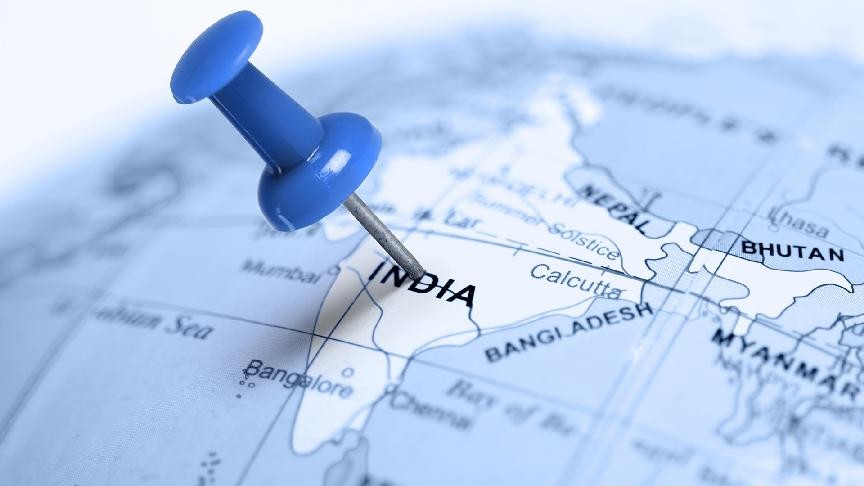
In FY2024-2025, bilateral merchandise trade between India and the EU was at $137bn. Indian exports accounted for $76bn. The EU expects the trade deal to double EU goods exported to India by 2032.
Containers and dry bulk to see more immediate benefits than car carriers
The EU will see an increase in exports from the agri-food, chemical, pharmaceutical, machinery, medical devices, avionics and automotive sectors. India will see a boost in exports from its fisheries, chemicals, textiles, footwear and pharmaceuticals industries.
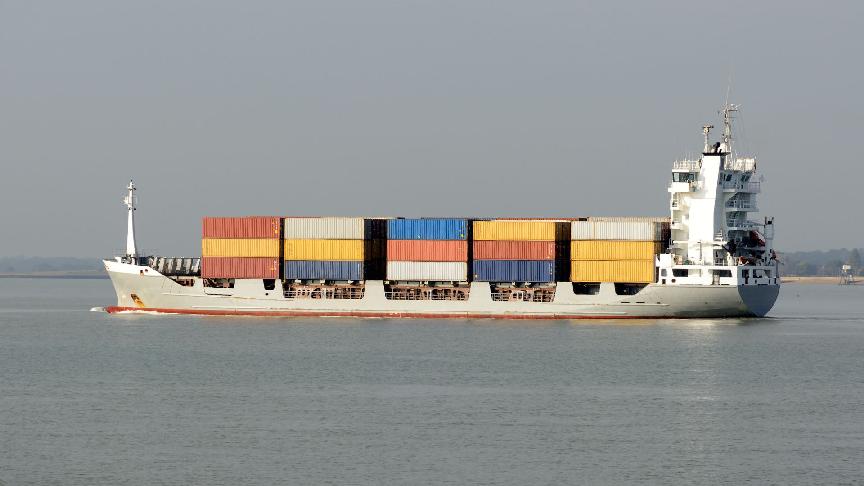
Most of the goods that have seen tariff reductions are shipped on bulk carriers or container carriers, flowing in both directions. And with some goods seeing immediate tariff reductions or eliminations, container flows should also rise once the trade deal has been formally adopted.
With US tariffs on India remaining high, despite a cut from 50% to 18% this week, Dutch bank ING sees tariff reductions giving Indian exporters an opportunity to pivot from the US since India’s export basket to both the EU and the US are similar.
Tariff reductions in the automobile sector may need more time for benefits to take effect, delaying potential benefits on car carriers. Under the trade deal, up to 250,000 European made cars will now be allowed into India at preferential tariff rates.
But ING sees the dominance of Japanese brands limiting the impact of this. It said: “The Indian car market is dominated by well-established Japanese brands such as Suzuki and Hyundai, which together account for more than 50% of the total market. It certainly won’t be easy for European carmakers to penetrate the Indian market, given that they currently have a market share below 3%.”
The outlook for clean tankers on this trade lane is less clear. Recent EU sanctions on oil products made from Russian crude oil could make Indian exports to the EU challenging.
Importing crude oil barrels at market prices to produce clean petroleum products that will be exported over a great distance to Europe could eat into margins of Indian refiners.
Furthermore, the recent reduction in tariffs by the US to 18% remains higher than the initial 2%-3% before US President Donald Trump’s second term. New Delhi may look to reassess its priorities to see if importing more expensive crude oil imports, at market prices, are worth it.
The India-EU trade deal is also viewed as more than just a trade deal, but a tool for both the EU and India to diversify trade. This is a deal that has taken 20 years to come to fruition.
“The sudden momentum that pushed the agreement across the finish line in early 2026 was driven less by economics than by geopolitics. Both New Delhi and Brussels have found themselves exposed to increasingly unpredictable US trade politics,” said Shameek Godara, adviser at the Norwegian Embassy in Australia.
He sees the agreement giving the EU a platform to reduce its “overreliance on both the United States and China while expanding partnerships with like-minded economies.”