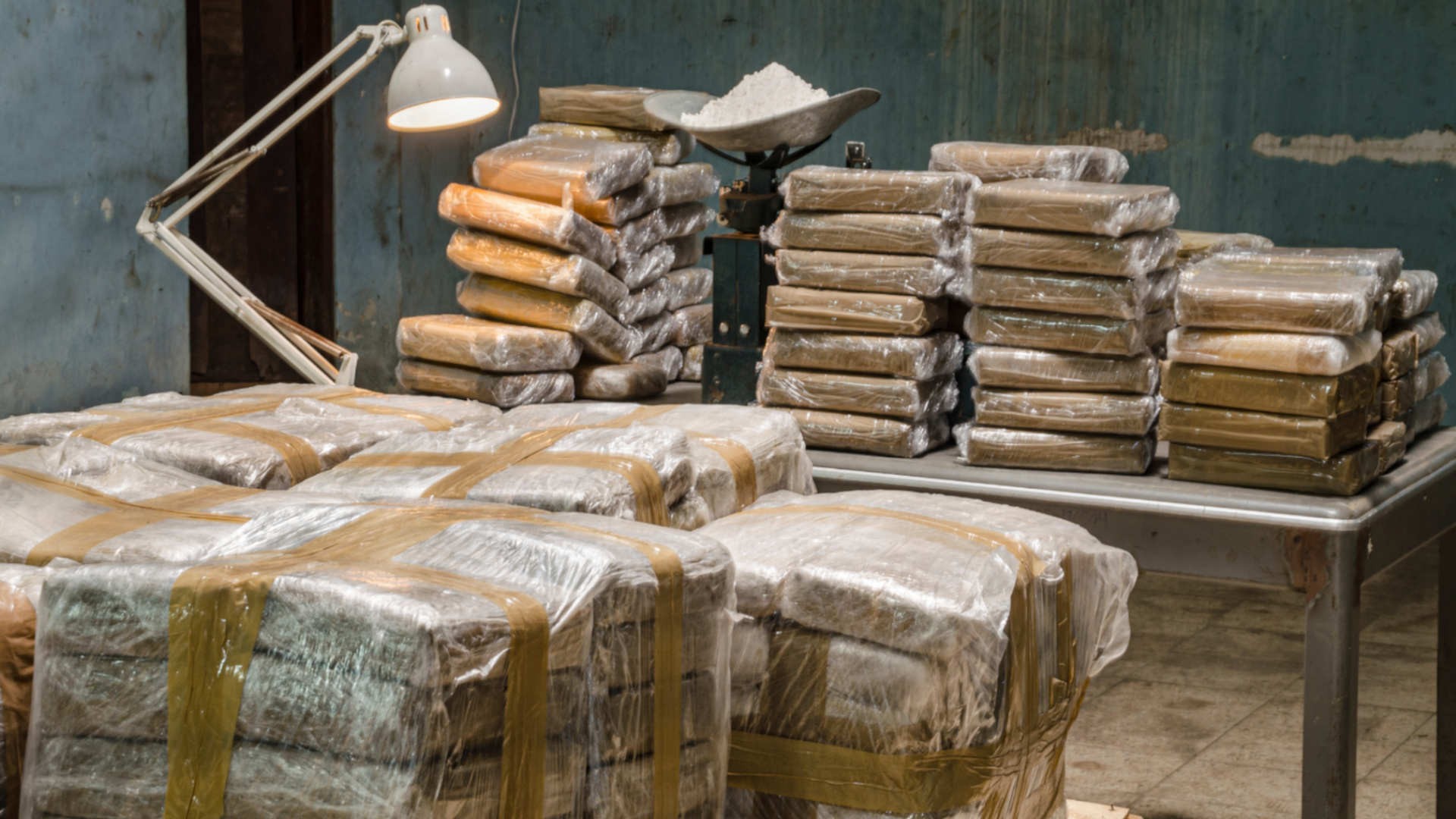

THE smuggling of cocaine into European ports continues to grow at what Europol has called “unprecedented levels”.
Despite significant steps being taken recently in the traditional key ports of entry, such as Hamburg, Rotterdam and Antwerp, illicit cargo still gets through.
The report suggested that the very pressure being applied by law enforcement to those major ports is forcing traffickers to use smaller ports across the continent, a trend that is often known as the “waterbed effect”.
With certain departure and transit ports designated as “high risk” by law enforcement, “inland ports, bulk ports and smaller, less rigorously controlled ports are likely to become key targets for drug trafficking, combined with a wide range of vessels, such as dry and liquid bulk carriers, multipurpose vessels, and reefer vessels”, as opposed to container vessels which have been the transport mode of choice for criminal networks for a long time.
Historically, traffickers have stored cocaine in containers and used insiders both on vessels and in destination ports to plant and then retrieve them.
But now gangs are bypassing the port networks altogether, Europol said, using so-called “deep concealment”. Several recent busts have seen cocaine found below the waterline, in a vessel’s sea chest or attached to the hull.
In addition, cocaine can be transhipped at sea, loaded on to smaller, non-commercial vessels or even on to semi-submersibles, the report said, therefore avoiding high-risk landing ports, such as Rotterdam.
At-sea drop offs make financial investigation trickier too, severing the logistic trail and reducing the number of traceable invoices and documents.
More efficient coca cultivation in Latin America, combined with increased demand in EU member states means the volume of cocaine imported into the continent is only set to increase, Europol said.
Partnership remains crucial in the fight against trafficking, the report said.
“Law enforcement, customs, port authorities and the private sector share responsibility for securing supply chains and sharing actionable data in real time,” the report said.
“By strengthening detection at the physical, financial and digital levels, the EU and its member states can reclaim the initiative — transforming criminal innovation into investigative opportunity and turning today’s maritime blind spots into tomorrow’s intelligence advantage.”