
The European Union and the South American bloc Mercosur recently signed the EU-Mercosur partnership, a trade agreement that has taken 25 years of negotiation.
The trade deal is now positioned as one of the world’s largest free trade areas, bringing together 31 countries with a combined population of 700 million.
It forms part of the European Commission’s wider diversification agenda, intended to strengthen economic security and curb over‑reliance on individual trade partners.
Recent talks with Mexico and Indonesia have already concluded, while further discussions continue with India, Malaysia and the United Arab Emirates.
Scope of trade
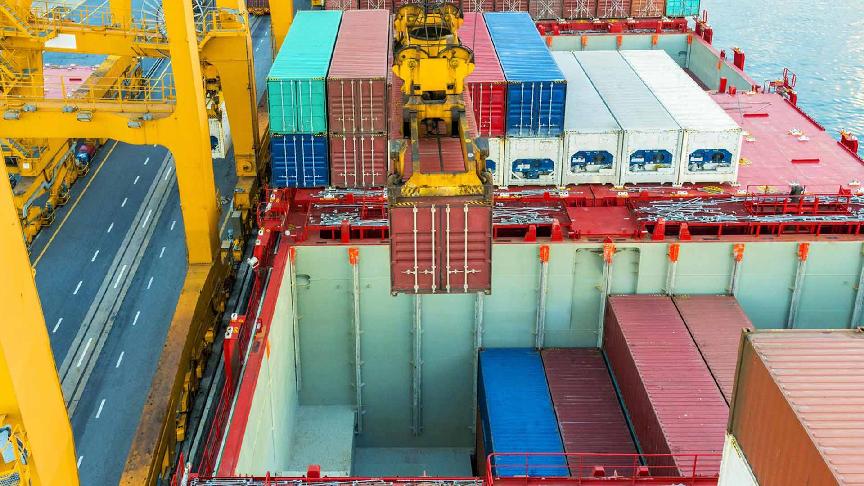
Trade volumes between the two regions are already substantial. In 2024, goods trade reached €111 billion, with Brazil accounting for more than four‑fifths of activity.
Europe mainly ships industrial and high‑value goods, while Mercosur exports focus on agriculture and resource‑based products such as coffee, proteins, speciality foods, pulp, paper and steel.
Historical comparisons indicate that comprehensive trade deals can significantly expand bilateral commerce over time. Previous agreements with South Korea and Canada saw trade increases ranging from 65% to more than 100% within a decade.
With the deal, EU exports to Mercosur are projected to rise by 39%, supporting employment across the bloc.
Tariff removal and broader procurement access sit at the core of the agreement, complemented by shared commitments on sustainable development and collaboration towards climate neutrality.
Once in force, it will liberalise trade for almost all goods, including European cars, machinery and chemicals, as well as agricultural products and raw materials from South America.
These include rare earth metals used in battery production and electronics.
Finalisation requires overcoming legal hurdles
Although the EU has already signed the accord with Argentina, Brazil, Paraguay and Uruguay, the political process remains active.
Before taking effect, the pact must be approved by the European Parliament and ratified by both sides.
Earlier this week, the European Parliament voted for the deal to be reviewed by the European Court of Justice (ECJ) before it is implemented, which might stall the agreement for another 6 to 24 months.
However, the European Commission could decide to introduce the agreement temporarily until the ECJ makes its decision.
In the meantime, the agreement's forecasts suggest steady growth once the pact is implemented and effectively utilised.
It is also viewed as a long‑term stabilising force for transatlantic trade, offering sustained opportunities rather than a short‑term shift.