Written by Paolo Montrone, SVP Sea Logistics
For decades, global supply chains were built on one fundamental assumption: major trade routes would remain open. While conflicts and regional disruptions occurred from time to time, governments and businesses generally planned ports, logistics parks, industrial zones and transport corridors with confidence that international shipping lanes would continue to operate.
That assumption is increasingly being challenged.
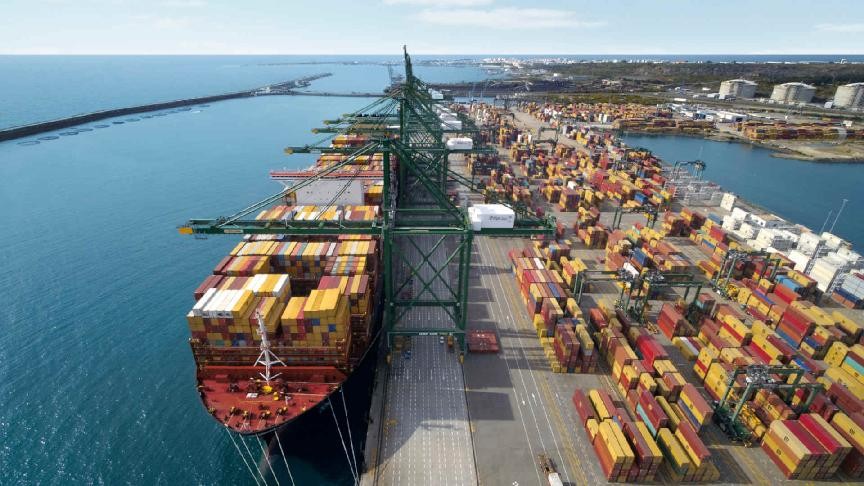
According to the Financial Times, DP World is evaluating the development of a new port and container terminal on the UAE’s east coast, allowing cargo to enter and leave the country without transiting the Strait of Hormuz.
The project would complement, not replace, Jebel Ali, but its strategic significance extends far beyond the UAE.
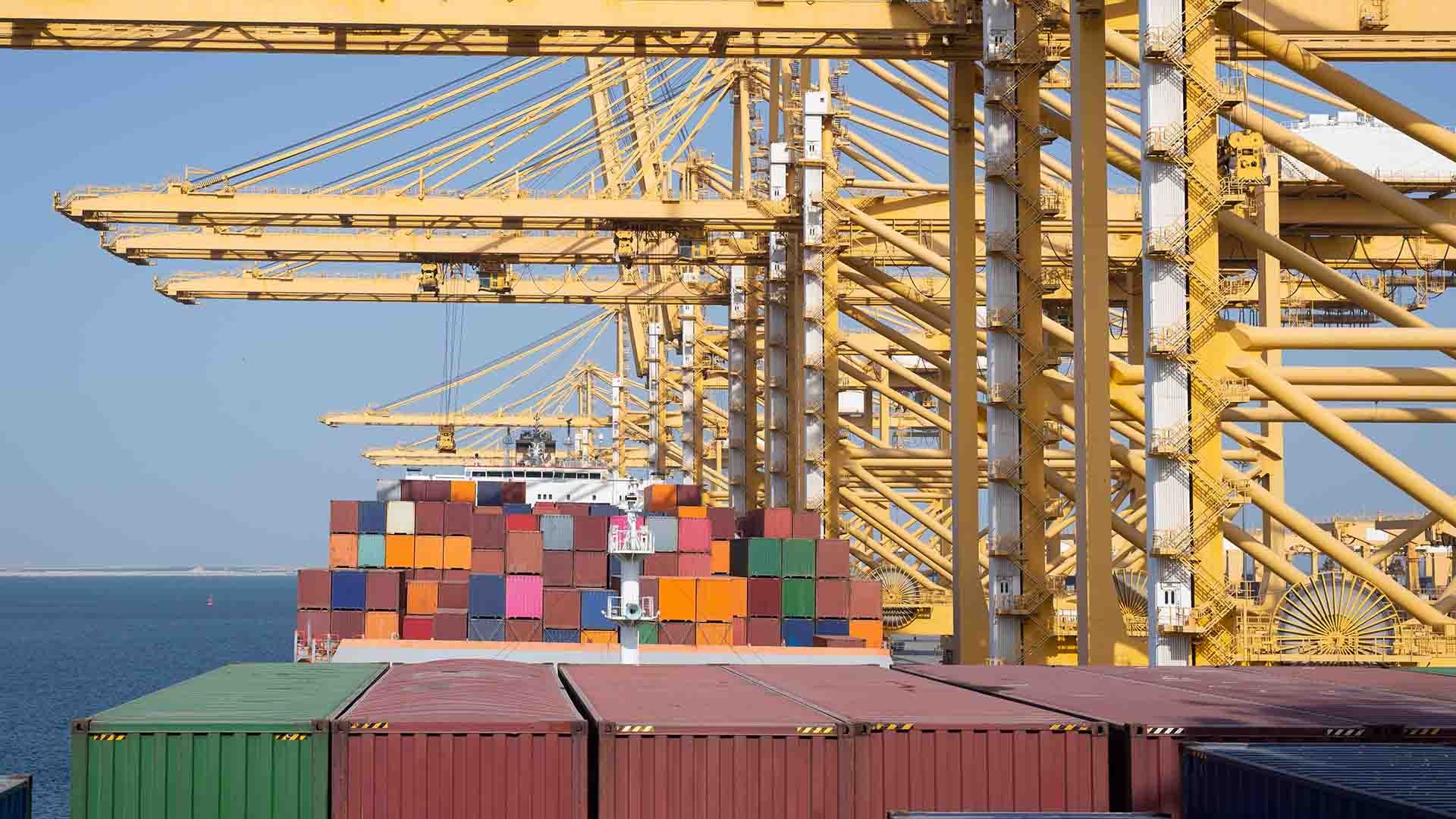
The scale of what is at stake is remarkable. Jebel Ali handled 15.6 million TEU in 2025, making it the largest container port in the Middle East and one of the world’s leading maritime hubs.
Over several decades it has transformed Dubai into a global centre for logistics, manufacturing, finance and re-export, connecting Asia, Europe, the Middle East and Africa.
Yet even an infrastructure asset of this scale proved vulnerable to geopolitical events. Following the outbreak of the recent conflict and the disruption of shipping through the Strait of Hormuz, container activity at Jebel Ali reportedly declined by between 90% and 95%.
Daily vessel traffic through the Strait, which averaged around 135 transits before the crisis, fell to little more than 40 vessels per day even after a partial reopening. Cargo was diverted to Fujairah and Khor Fakkan on the UAE’s east coast, both of which experienced significant congestion as shipping lines sought alternative gateways.
The implications extend far beyond maritime transport.
Ports do far more than handle containers. They attract manufacturing plants, regional distribution centres, logistics providers, financial services, technology companies and thousands of skilled jobs. Entire cities and regional economies often develop around successful ports.
Consequently, when governments or companies decide to relocate or diversify strategic infrastructure, the effects ripple through employment, investment, industrial competitiveness and national economic growth.
The UAE is not replacing Jebel Ali. It is strengthening its resilience. By investing in an alternative gateway outside the Strait of Hormuz, it is reducing dependence on a single maritime chokepoint whose vulnerability has become increasingly evident.
History reminds us that major geopolitical events can permanently reshape trade. The opening of the Suez Canal, the Panama Canal and later the rise of containerisation fundamentally altered global supply chains for generations.
Likewise, infrastructure decisions being taken today in response to geopolitical tensions have the potential to influence trade flows, industrial investment and economic development for decades—perhaps even centuries.
For supply chain professionals, this is the broader lesson. Geopolitics is no longer influencing only diplomacy, tariffs or customs regulations.
It is increasingly determining where ports are built, where companies invest, how supply chains are designed and ultimately where jobs and economic prosperity will be created. The decisions announced today may become the trade corridors that define the next century.