
Recent events linked to conflict in the Middle East have once again brought attention to how heavily international energy trade depends on a small number of critical transit points.
The current situation has highlighted the extent to which risk remains concentrated within the global fossil fuel system.
The Strait of Hormuz continues to play a central role in oil and gas movements. Approximately 14 million barrels per day of crude oil and condensate pass through the strait, excluding Iranian volumes, alongside an additional five million barrels per day of refined products.
Combined, these flows account for close to 20% of global oil consumption and an even larger share of oil transported by sea. Liquefied natural gas exports from Qatar also rely on this passage.
Under normal conditions, between 60 and 80 tankers transit the strait each day, including a significant number of very large crude carriers.
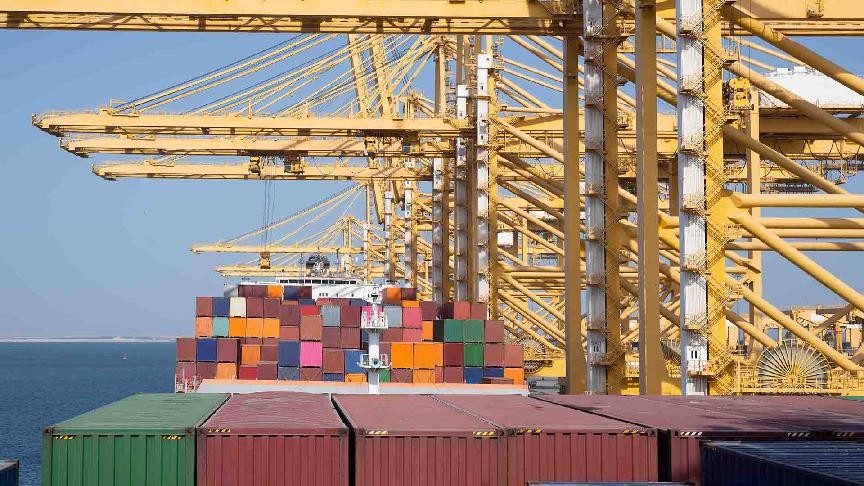
Periods of instability have immediate consequences for shipping, prompting higher insurance costs, changes in freight pricing, and longer routes as vessels divert.
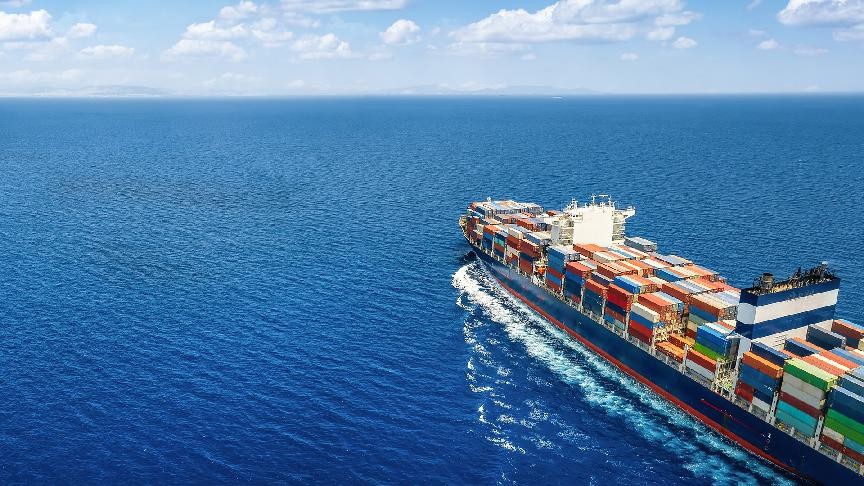
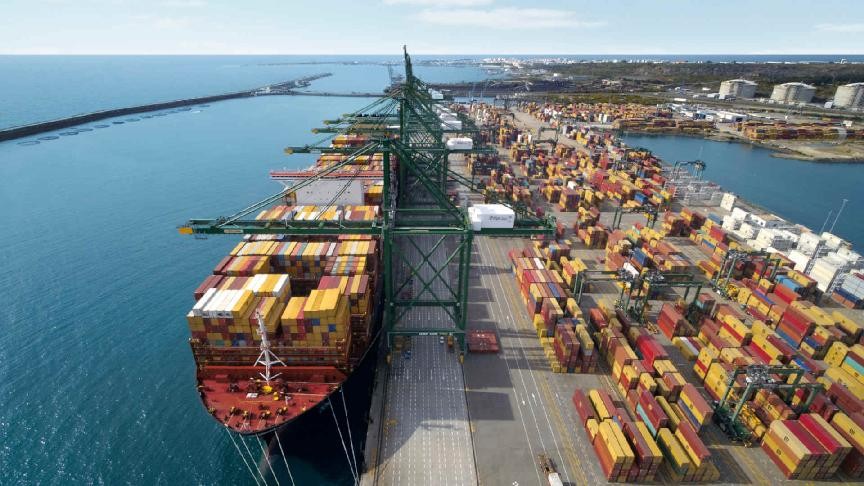
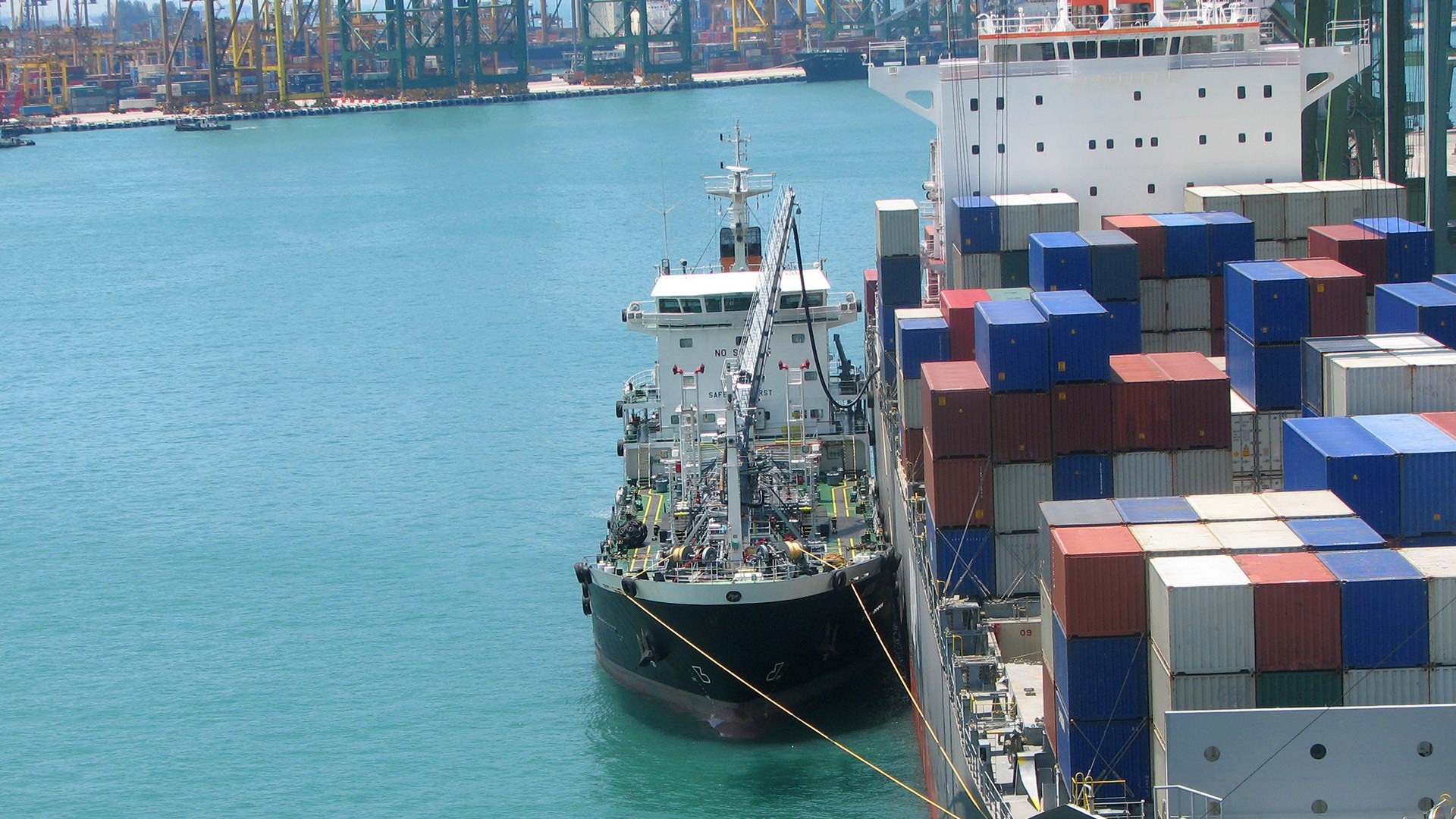
This is especially true given that container shipping remains almost entirely dependent on fossil energy.
According to the Maersk McKinney Moller Centre, more than 95% of the global fleet operates with internal combustion engines fuelled by petroleum‑based products such as heavy fuel oil, very low sulphur fuel oil, and marine gasoil.
Container ships account for around 30% of total maritime carbon dioxide emissions, reflecting both their scale and their reliance on conventional fuels.
On an energy basis, global container shipping consumes an average of approximately 77.7 million tonnes per year of heavy‑fuel‑oil‑equivalent fuel, underlining the sector’s exposure to disruptions affecting oil supply chains and marine fuel availability.
A single corridor, global consequences
The outbreak of war involving Iran has curtailed traffic through the Strait.
Exports of crude and refined products have dropped to less than 10% of pre-conflict levels, forcing fuel producers across the region to scale back or suspend operations.
Supplies that were already en route have reached their destinations, leaving ports to draw down existing inventories without replacement.
Addressing EU officials in Brussels, Simon Stiell, Executive Secretary of the UN Framework Convention on Climate Change, described the situation as an “abject lesson” in the risks of fossil fuel reliance.
Although far from the conflict zone, Europe has been affected by rising prices, with gas costs increasing by 50% over the two-week period.
Past crises show that disruption does not automatically lead to lasting change.
What the current episode has clearly revealed is how efficient yet highly concentrated the existing energy system remains, and how quickly global markets are affected when a single corridor is compromised.