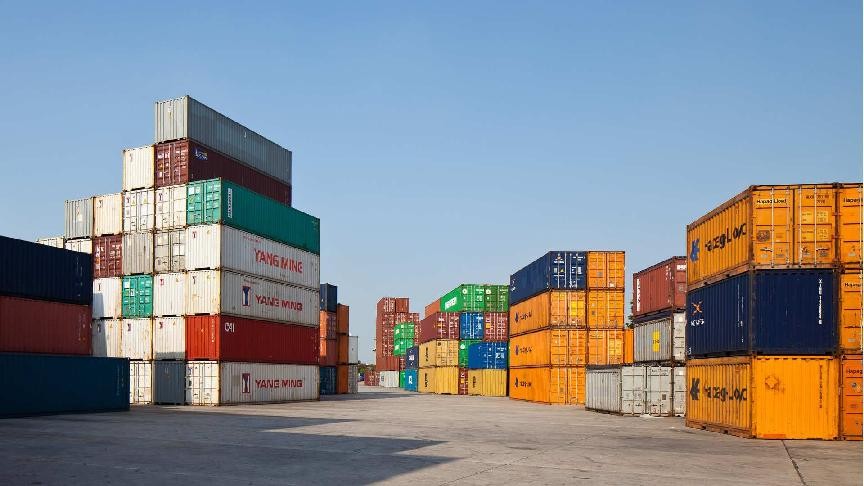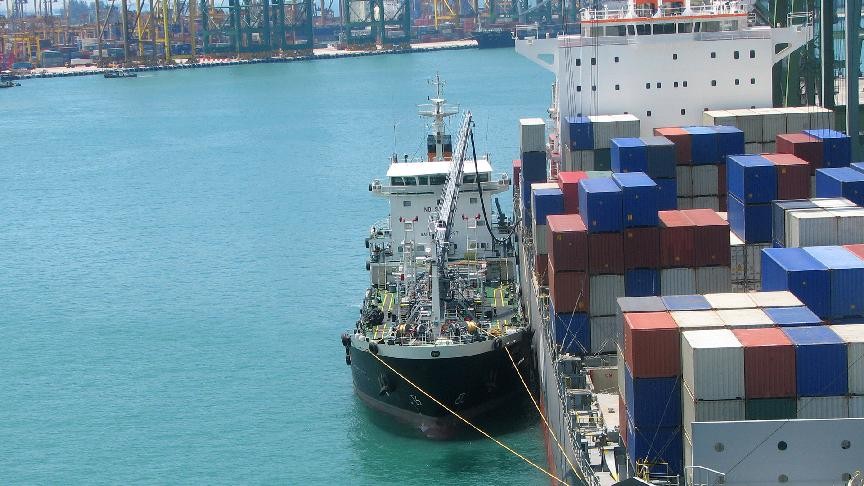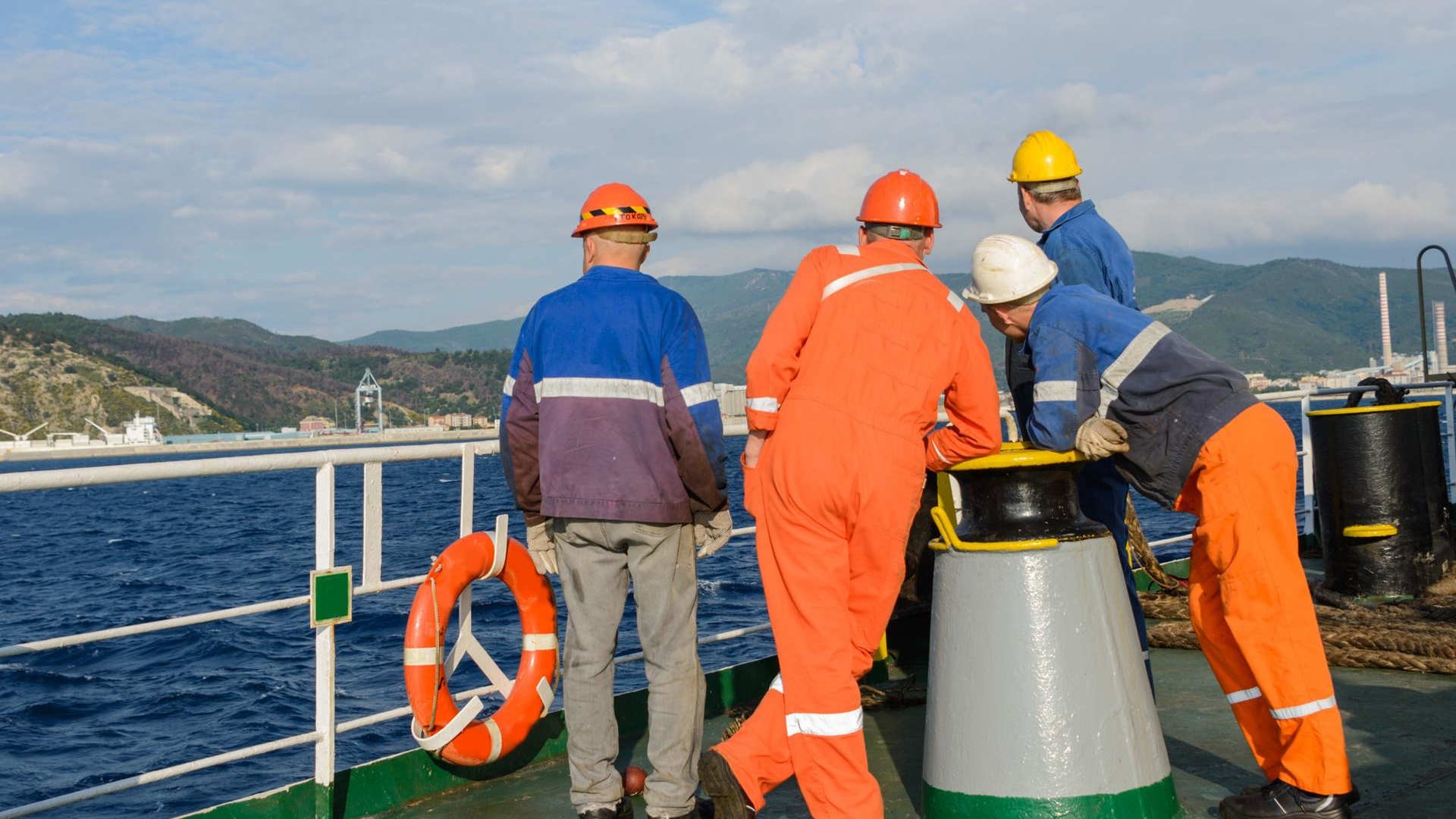

Shipping organisations and authorities are increasing efforts to assist the large number of seafarers unable to leave the Middle East Gulf.
Steamship Mutual, a leading global Protection and Indemnity (P&I) Club that provides mutual marine liability insurance and risk management services, has underlined that crew members on its entered vessels have 24-hour access to counselling and crisis support.
The club is drawing attention to these services as many ships remain unable to exit the region.
The firm is collaborating with Mental Health Support Solutions in Hamburg to provide confidential, multilingual psychological assistance.
Crews can contact qualified maritime psychologists at any time, whether at sea or ashore, to discuss concerns and develop methods to manage stress, disrupted sleep or extended periods away from home.
One major carrier, speaking anonymously, said the well-being of its crews in the Middle East Gulf is its primary focus.
The company is maintaining frequent contact to ensure adequate supplies, relocating vessels when feasible and arranging crew changes for those who ask to disembark. Seafarers wishing to leave have been supported in returning home.
At the same time, the International Maritime Organisation has convened states to consider a framework for a safe corridor to assist ships west of the Strait of Hormuz.
Countries have agreed on a declaration condemning attacks on merchant vessels and calling for de-escalation, resupply and crew changes. However, two days of discussions in London did not produce detailed plans.
IMO Secretary-General Arsenio Dominguez urged governments to take further steps, stressing the need to prioritise ships based on their supply status and duration in the region.
He noted that crew changes remain difficult due to disrupted flights and that replacement crews may be reluctant to work in a conflict zone.
Dominguez stated he is ready to begin negotiations on a humanitarian framework to evacuate all trapped ships and personnel.
He said this will require commitment and practical action from all relevant states and stakeholders, starting with countries in the Middle East.
Around 20,000 seafarers and more than 3,000 commercial ships have been unable to leave the Gulf following attacks on 28 February and subsequent retaliatory strikes in the region.
The International Chamber of Shipping has supported calls for continuous supply delivery to maintain safe operations and protect crew welfare.