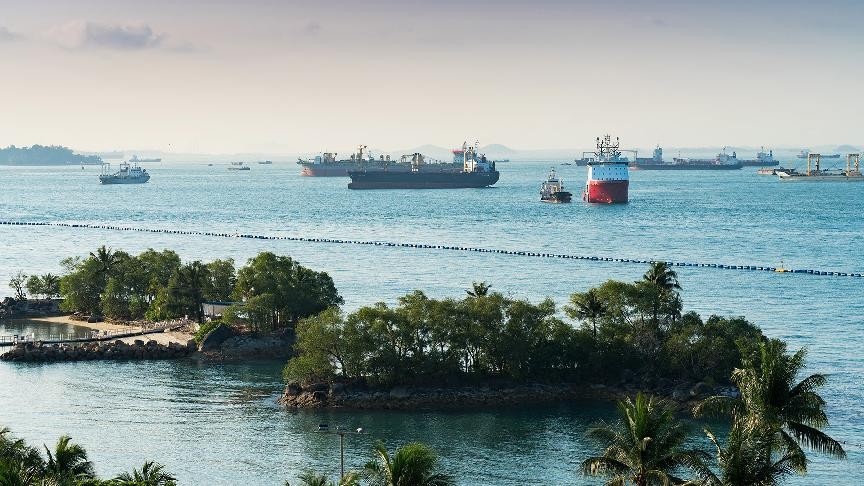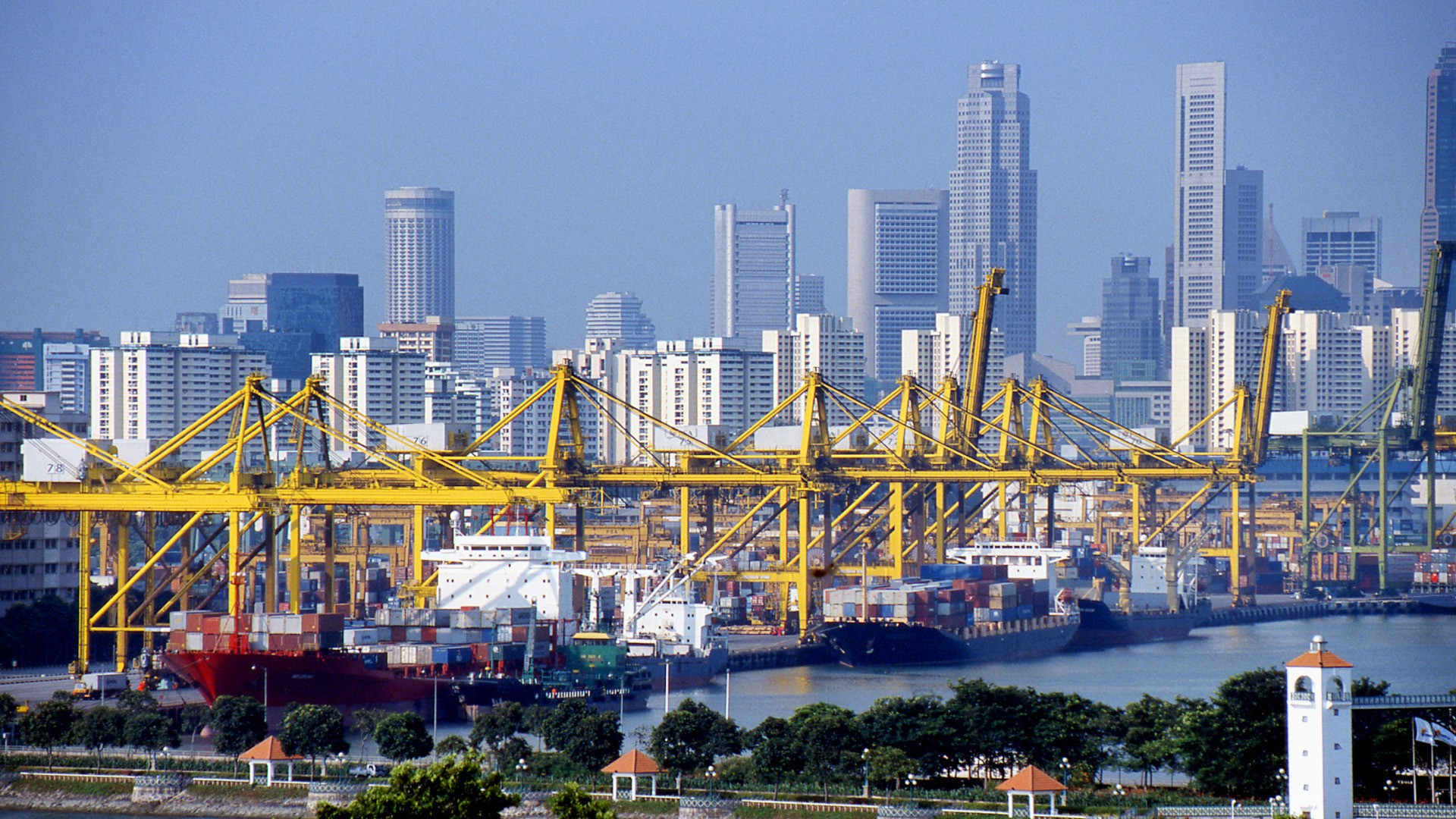

Singapore, the world’s largest hub for ship fuel supply, is currently under significant strain as the ongoing conflict in the Middle East disrupts critical supply chains.
With analysts warning that inventories are dwindling rapidly, the situation has placed considerable pressure on suppliers and ocean carriers operating in the region.
A substantial portion of Singapore’s bunker fuel traditionally arrives via the Strait of Hormuz, which has been largely inaccessible since hostilities began in late February. While refuelling operations continue, market experts note that the countdown is on as reserves approach critical levels.
Lead times for replenishing very low sulfur fuel oil have lengthened, and immediate availability remains extremely tight. Suppliers are increasingly focusing on fulfilling existing contracts and are reluctant to accept new tenders for the foreseeable future.
Singapore’s bunkering industry’s immense scale highlights the urgency of the situation. With sales figures far surpassing those of other global ports, the closure of key supply routes threatens to expose the region’s fuel infrastructure's vulnerabilities.
Traders have begun sourcing oil from alternative locations, including Brazil and Russia, and recent regulatory changes have allowed for increased imports from previously restricted sources to bolster bunker availability.
Fuel prices drop off mid-March highs
Following the disruption since February, bunker fuel prices in Singapore surged, reflecting the scarcity of supply. However, prices have eased from their March peak. The trend is similar for both very low-sulfur and high-sulfur fuel oils. In contrast, low-sulfur marine gas oil, utilised in emission control zones, has remained elevated and continues to trade at a significant premium to pre-conflict prices.
Compared to Singapore, Rotterdam has emerged as a more stable and well-supplied bunkering centre, insulated from the immediate impacts of Middle Eastern turmoil. This has resulted in considerable price differentials between the two ports, with Singapore trading at a notable premium. Analysts note that while prices in Singapore remain much higher than before the conflict, they have begun to trend downward as the market adjusts to new realities.
Emergency surcharge prices rise
In response to ongoing fuel shortages and price volatility, ocean carriers have activated robust contingency plans, including implementing additional surcharges on top of standard fuel recovery mechanisms.
Leading carriers have introduced emergency charges across various routes, adapting their pricing strategies to cope with elevated costs and uncertainty. Some carriers have petitioned regulators for expedited approval of surcharges to help manage rising operational expenses associated with the crisis.
Industry executives emphasise that these measures are designed not to generate excess profit but to recover the extra costs incurred, particularly those arising from higher fuel prices and increased insurance premiums in affected regions.
With the conflict showing no signs of resolution, the shipping industry is preparing for further strategic shifts. Carriers are evaluating options such as slow steaming, alternative routing, and blank sailings to mitigate the impact of fuel shortages and maintain service reliability.
The coming weeks will be critical in determining how the global maritime sector navigates these challenges, with Singapore’s bunker supply at the heart of the unfolding crisis.