
INDONESIA’s foreign minister said Jakarta won’t impose a levy on ships transiting the Strait of Malacca, clarifying the country’s commitment to free passage after its finance chief flirted with the idea of copying Iran’s toll booth in Hormuz.
“Indonesia is not in a position to impose such tariffs in the Malacca Strait,” the Southeast Asian nation’s Foreign Minister Sugiono told reporters on Thursday, according to state news agency Antara.
“We also hope for free passage,” he said. “And I believe this is a shared commitment among many countries to create a shipping lane that is open, neutral, and mutually supportive.”
Sugiono’s reassurance came just a day after Indonesian Finance Minister Purbaya Yudhi Sadewa floated the possibility of tolling vessels for passing through Malacca, which further fanned maritime anxiety amid high geopolitical tensions in the Middle East.
Pointing to Tehran’s tariff on transits via the Strait of Hormuz, Purbaya suggested at a symposium in Jakarta on Wednesday that revenues would be “quite substantial” if Indonesia were to split the hypothetical Malacca levy with bordering states of Singapore and Malaysia.
“If only it could be like that,” Purbaya said, immediately walking back his thought experiment. “But it doesn’t work that way.”
The right of free transit passage through Malacca is guaranteed for all global shipping under the United Nations Convention on the Law of the Sea, which recognises Indonesia as an archipelagic state on the condition that it does not impose tariffs on straits within its territory, said Sugiono, the country’s foreign minister.
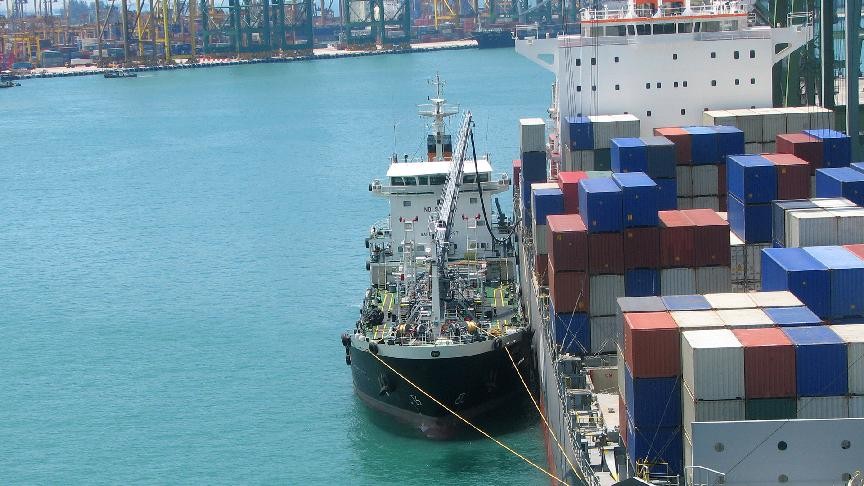
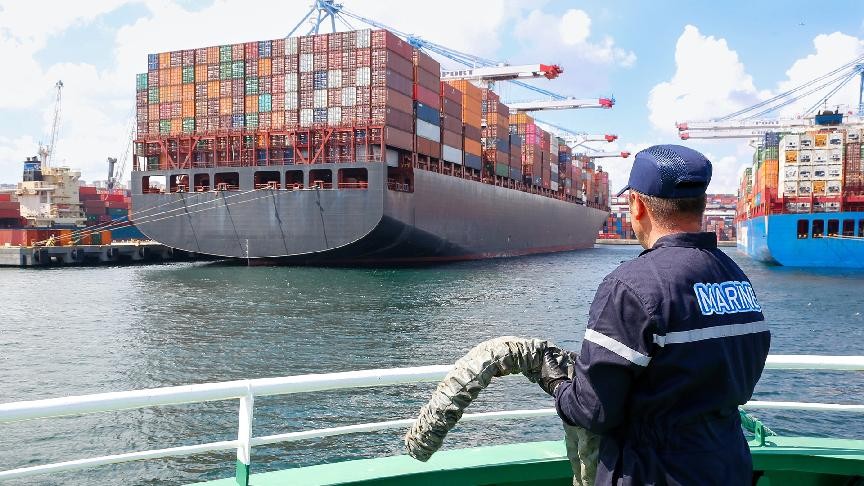
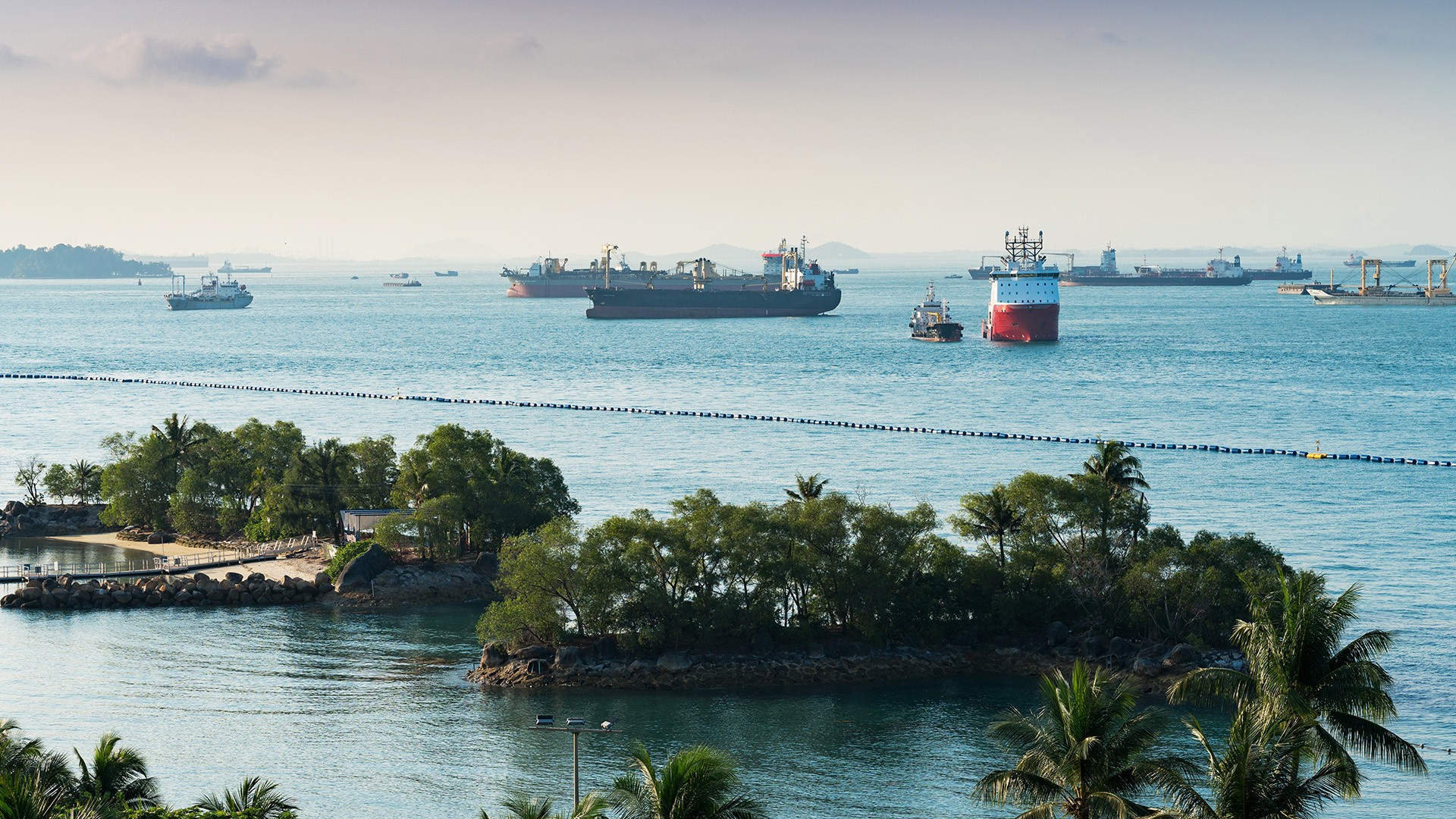
Vessel traffic through the Strait of Malacca in the first quarter of 2026 averaged nearly 4,500 transits per month, when discounting localised trade and vessels below 10,000 dwt, according to Lloyd’s List Intelligence vessel tracking data. The flow represents about 451m dwt of tonnage, highlighting the strait’s role as a core artery for east-west trade.
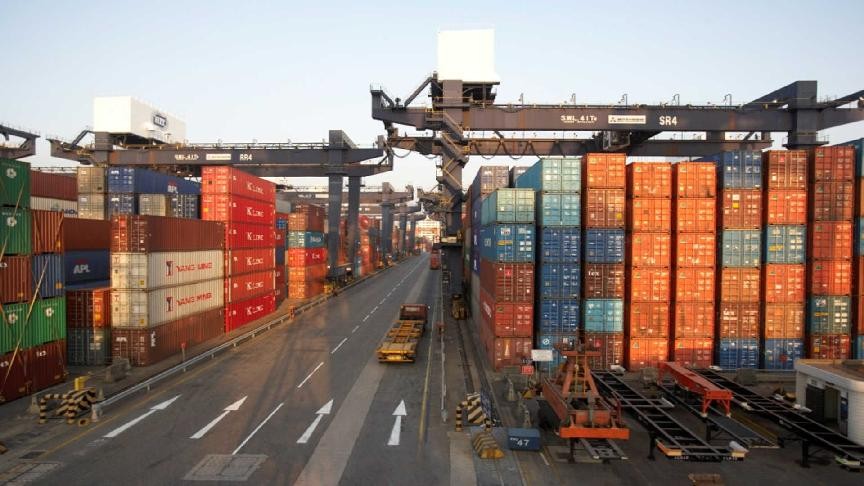
Bulk carriers and containerships dominate the passage. Bulkers made up 38% of transits in March, reflecting the steady demand for raw materials into Asia, while containerships accounted for 26%, tied to both mainline Asia-Europe and intra-Asia trades.
Separately, Singapore said on Wednesday that it won’t participate in any attempts to close, block or toll sea and air traffic, while Malaysia stressed the same day that no decision on the Strait of Malacca can be made unilaterally.
Talk of a Malacca toll comes as Middle East instability increasingly threatens global trade, with Houthi militants also exploring a Red Sea transit levy modelled on Iran’s Hormuz payment system, UK security firm Obsidian International said earlier this week. The move adds to mounting pressure on regional freedom of navigation and raises fears of a similar toll emerging at the Bab el Mandeb.