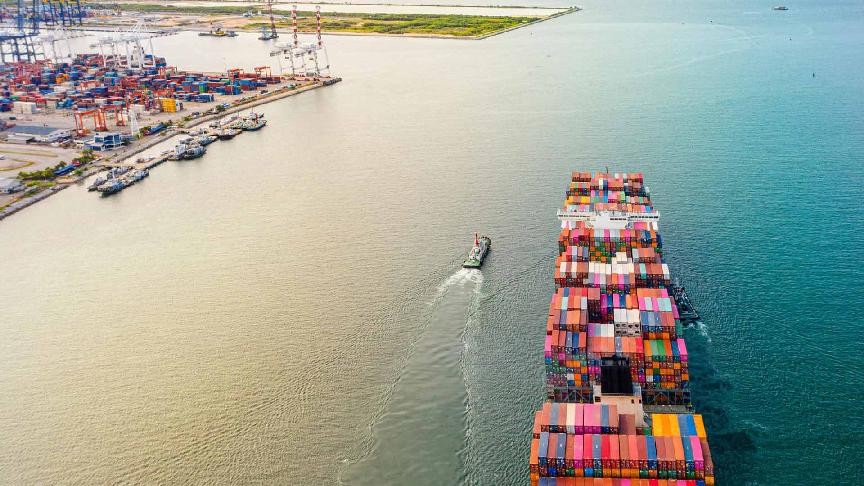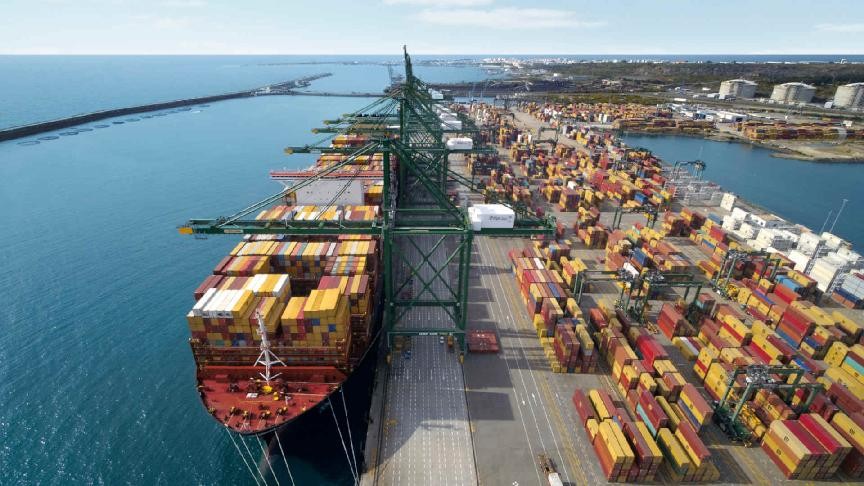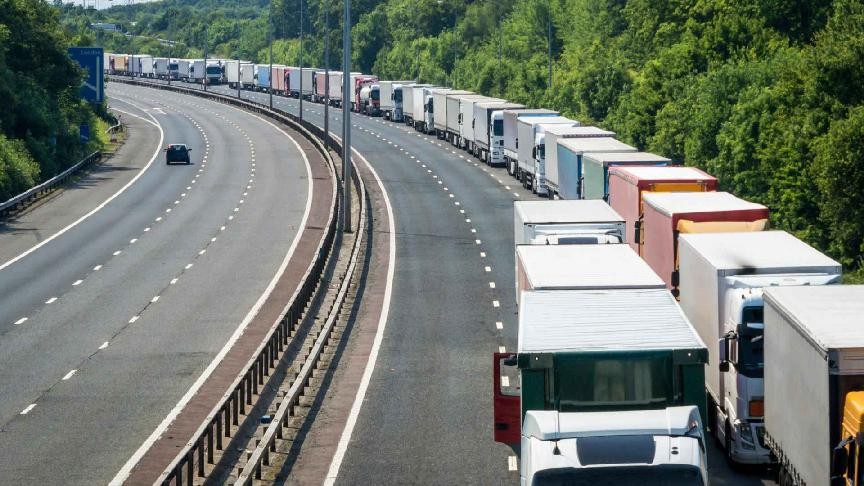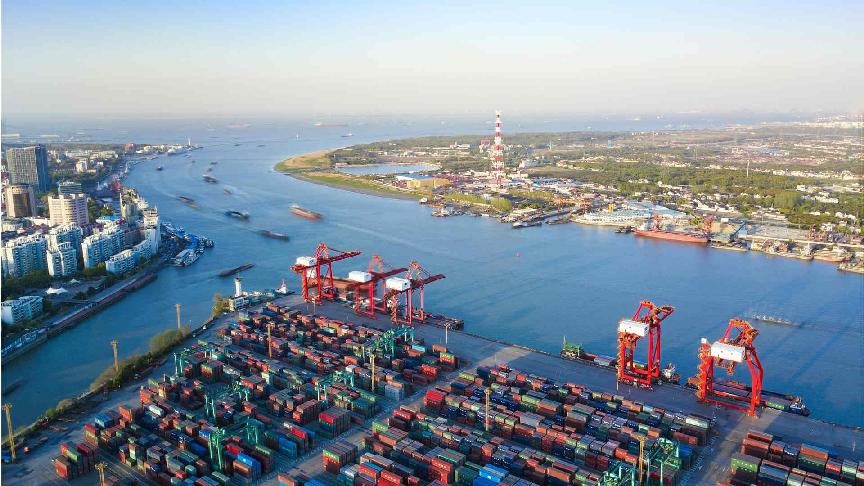

Earlier this month, the World Bank released its Logistics Performance Index (LPI) for the year 2023 after a suspension that lasted nearly five years. The LPI looks at 139 countries and ranks them based on the country’s ability to move goods across its borders with speed and reliability.
Germany drops three places
Singapore was ranked as the country with the highest LPI score, at 4.3 points out of five. In second place came Finland, followed by Denmark and Germany. According to a report by the German shipping newspaper DVZ, Germany was at the top in the years 2014, 2016 and 2018. Libya was at the bottom of the list with a score of 1.9 points.
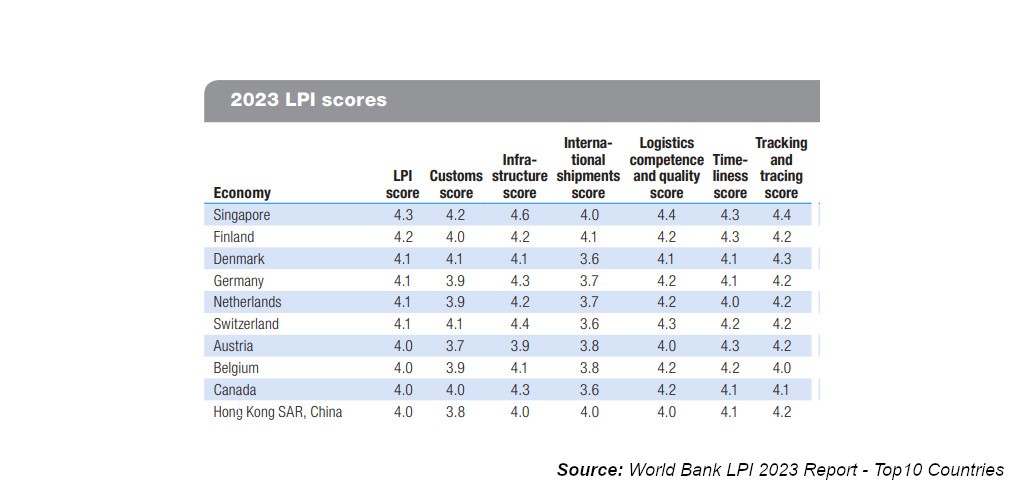
Several criteria were taken into consideration for this report, including the ease of creating reliable supply chain connections with the respective country and the structure the country has to make such connections possible. The quality of logistics services, transportation infrastructure, and border control measures are also examined for each country.
Mona Haddad, Global Director for Trade, Investment, and Competitiveness at the World Bank, describes the LPI as a tool that “helps developing countries identify where improvements can be made to boost competitiveness.”
Supply chain reliability is a critical factor
Despite the challenging environment countries have faced in the past few years, the LPI report highlights that countries have remained stable since 2018. This reflects the high level of resilience logistics service providers have shown and their ability to adapt to dramatic changes, says the World Bank.
A key factor that determines the performance of a country is the reliability of its supply chain. According to the report, the average time a container spends in its journey from entering the port of export to exiting the destination port is 44 days. The container spends nearly 60% of this time at sea. Therefore, countries that reduced the time a container spends at transport facilities (such as ports, intermodal hubs and customs) were able to significantly improve their ranking.
Digital and green solutions are key
Supply chain digitization was key to achieving a higher LPI score, says the World Bank. The development in LPI scores shows that “end-to-end supply chain digitalization, especially in emerging economies, is allowing countries to shorten port delays by up to 70% compared to those in developed countries." In addition, the increasingly growing demand for green options makes the countries that offer such solutions more attractive to shippers.