VESSEL traffic through the Bab el Mandeb Strait has fallen by almost a quarter since the Houthis imposed a maritime blockade on Saudi Arabia last month, although transit volumes appear to have stabilised following the initial shock as shipowners adapt to the new operating environment.
Lloyd’s List Intelligence data shows that 269 vessels transited the southern Red Sea chokepoint during the week beginning July 20, down 24% from 354 transits recorded in the week before the blockade was announced.
Preliminary tracking data for July 27 to August 2 recorded 266 transits, suggesting overall traffic has settled at levels last seen in early 2026, before the Strait of Hormuz disruption temporarily boosted Red Sea volumes.
The disruption has been concentrated in the tanker market rather than across the wider shipping industry. Mainstream crude tankers, excluding vessels in the shadow fleet* transporting sanctioned oil, saw traffic fall by 42% in the first week after the blockade to just 53 transits.
Despite the heightened threat, tankers continue calling at Saudi Arabian ports, although an increasing number are doing so with their Automatic Identification Systems switched off.
Between July 27 and August 2, a total of 79 bulk carriers, 60 crude tankers and 57 containerships transited the Bab el Mandeb, underlining that bulk and liner shipping have so far been less affected than the tanker sector.
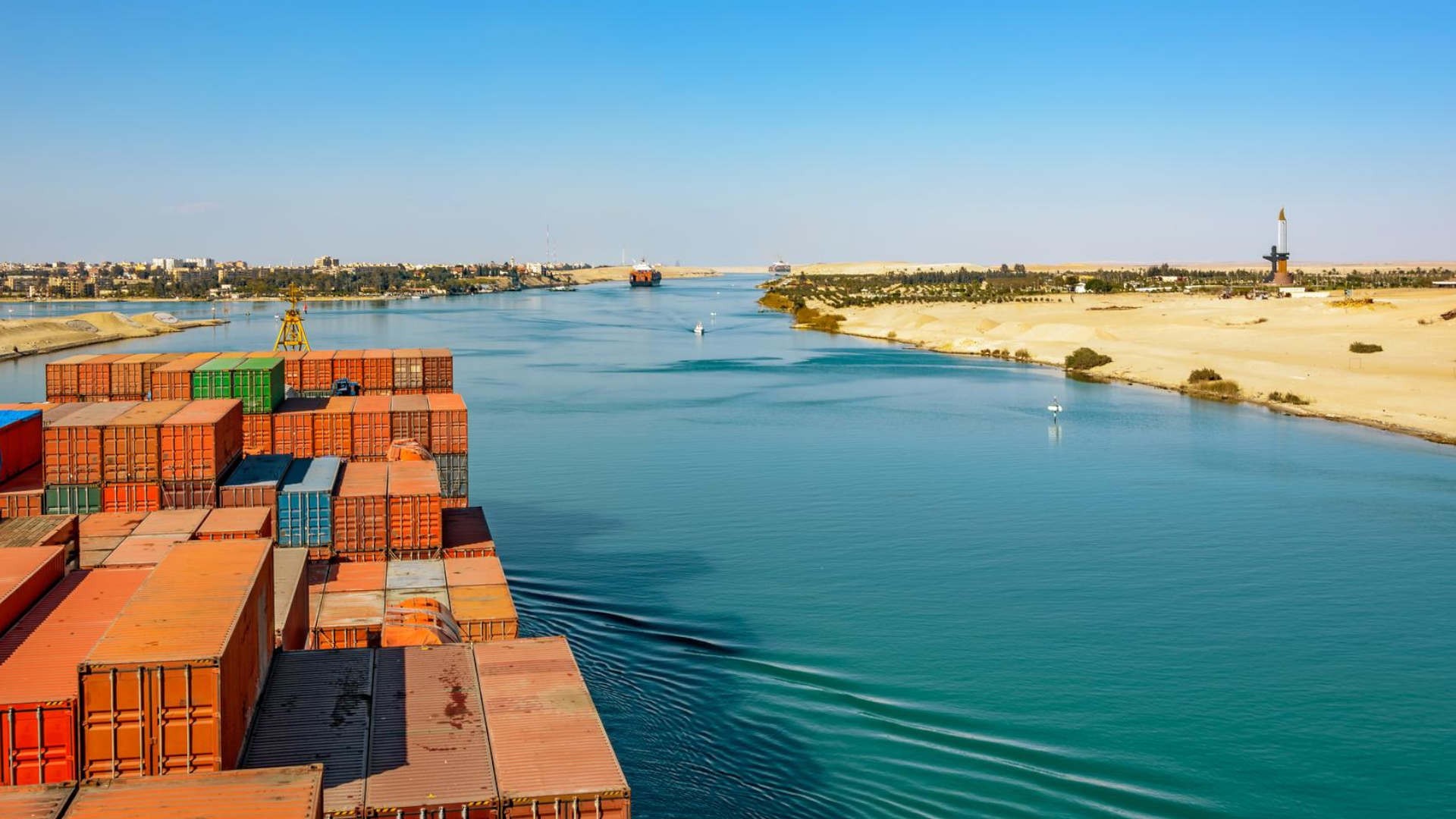
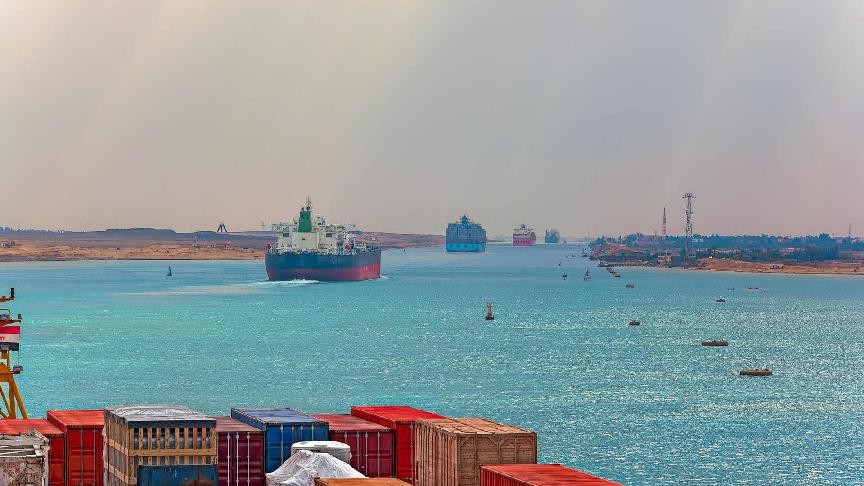
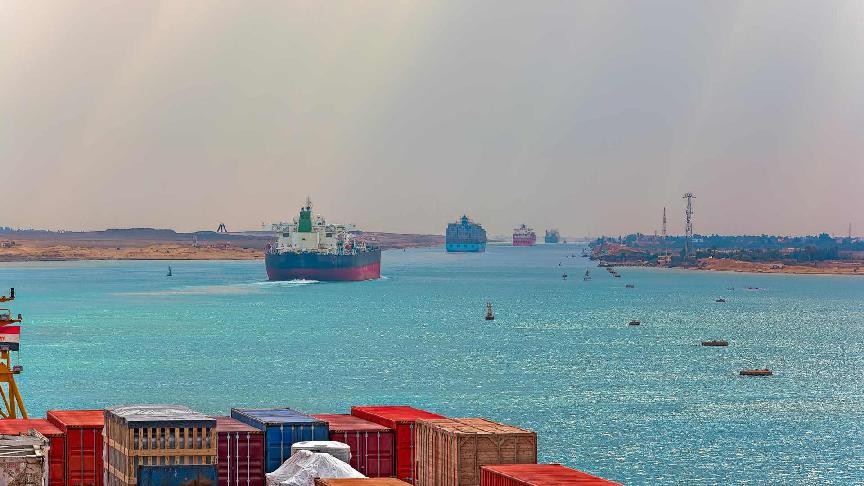
Meanwhile, traffic through the Suez Canal has remained broadly stable, indicating that the latest escalation has yet to trigger widespread diversions around the Cape of Good Hope.
A total of 275 vessels transited the canal between July 27 and August 2, compared with 273 during the previous week. While overall tanker numbers remain within normal ranges, vessel-tracking data shows operators are already adapting crude export logistics.
Very large crude carrier movements via Suez quadrupled in the week commencing July 27, driven by Saudi crude exports from Yanbu using a combination of lighter loadings, partial cargo discharges and Egypt’s Sumed pipeline to overcome the canal’s draught restrictions.
Eight VLCCs transited Suez during the reporting period after either loading reduced cargoes at Yanbu or partially discharging at Ain Sukhna oil terminal before entering the canal. After clearing Suez, the vessels proceeded to Sidi Kerir, where they are expected to reload crude delivered via the Sumed pipeline before continuing to their final destinations.
The developing workaround enables Saudi crude exports to continue while reducing exposure to the Bab el Mandeb Strait.
Bulk carriers remain the canal’s largest users, with 83 transits recorded during the week, led by panamax and supramax vessels. Containership traffic also remained resilient, with 44 transits including several ships operated by leading container lines CMA CGM and MSC.
Despite shipping flows proving more resilient than many expected, the security outlook continues to deteriorate.
The Joint War Committee has expanded the Red Sea listed area for war risk insurance by around 800 km northwards, bringing Saudi ports including Jeddah and Yanbu within the zone subject to additional war risk premiums.
Saudi Arabia’s proposal for a new Red Sea maritime security coalition has been viewed largely as a diplomatic initiative rather than one likely to materially improve security, with analysts questioning whether participating states possess the capability to significantly reduce the Houthi threat.
As a result, the proposal is not expected to materially alter shipowners’, charterers’ or insurers’ risk assessments.
Red Sea shipping stabilises after July’s Houthi blockade shock
Vessel traffic through Bab el Mandeb has fallen by around 24% since the Houthis imposed a maritime blockade on Saudi Arabia, but transit volumes have stabilised as shipowners adapt to the new security environment

Updated
|
Source: Lloyd's List

Related articles
Sea newsAPMT to remain in Salalah despite end of concession
Sea newsSuez recovery gathers pace, but sector split points to limits ahead
Sea newsContainership owners warn of overcapacity as orderbook hits post-2009 high
Sea newsRed Sea container transits hit post-crisis high as carriers accelerate return
Sea newsChinese-operated containership fired upon off Yemen as Red Sea security concerns intensify
Sea newsSuez Canal recovery gathers pace as Hormuz disruption boosts traffic, but Bab el Mandeb revival stalls